

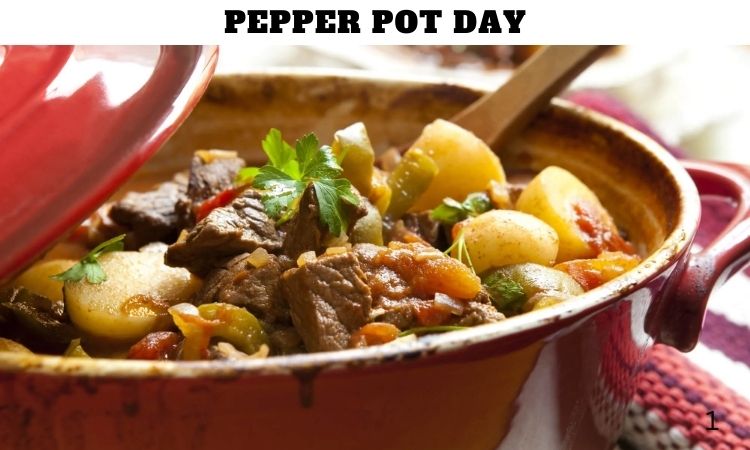
Pepper Pot Day, celebrated every year on December 29, is a unique culinary observance that honors one of the most flavorful and historically rich dishes in the world—pepper pot. Deeply rooted in Caribbean and early American traditions, pepper pot is more than just a meal; it represents cultural fusion, resilience, and the comforting power of food shared among families and communities. This day invites food lovers, historians, and culinary explorers to appreciate a dish that has stood the test of time while continuing to evolve across generations.
The Origins of Pepper Pot Day
The origins of Pepper Pot Day are closely connected to the history of pepper pot stew itself. Pepper pot is believed to have originated among the Indigenous peoples of the Caribbean, particularly the Amerindians of Guyana. The dish was later influenced by African, European, and Caribbean culinary traditions, making it a true symbol of cultural blending.
Historically, pepper pot was prepared using cassareep, a thick, dark sauce derived from cassava root. This ingredient acted as a natural preservative, allowing the stew to last for several days without spoiling. Over time, the dish became a staple during holidays and special occasions, especially around Christmas and the end of the year—leading to the celebration of Pepper Pot Day on December 29.
What Is Pepper Pot?
Pepper pot is a slow-cooked stew known for its bold flavors, aromatic spices, and rich texture. While recipes vary by region, traditional pepper pot often includes:
Meat such as beef, pork, or oxtail
Cassareep for depth and preservation
Hot peppers for heat and flavor
Cinnamon, cloves, and other spices
Garlic, onions, and herbs
The result is a deeply savory dish with layers of flavor that intensify over time. One of the most unique aspects of pepper pot is that it is often reheated over several days, with flavors becoming richer each time.
The Cultural Significance of Pepper Pot Day
Pepper Pot Day is not just about food—it is about heritage, storytelling, and togetherness. Families gather to prepare and share pepper pot, often passing down recipes that have been preserved for generations. The preparation itself becomes a bonding experience, connecting people through tradition and shared history.
In many cultures, pepper pot symbolizes abundance, warmth, and hospitality. Serving it during the holiday season represents goodwill, gratitude, and unity. This makes Pepper Pot Day a meaningful celebration of community and cultural pride.
Pepper Pot in Caribbean and Global Culture
While pepper pot is especially associated with Guyana, variations of the dish appear across the Caribbean and beyond. Each version reflects local ingredients, tastes, and cultural influences.
Guyanese Pepper Pot: Traditionally made with cassareep and enjoyed during Christmas and New Year.
Jamaican Pepper Pot: Often includes callaloo and is lighter in texture.
American Colonial Pepper Pot: Popular in early American history, particularly in Philadelphia, where it became a symbol of resilience during the Revolutionary War.
These variations highlight how pepper pot has transcended borders while maintaining its cultural essence.
The Historical Importance of Pepper Pot in America
Pepper pot holds a special place in early American history. During the harsh winter of 1777–1778, soldiers at Valley Forge relied on pepper pot soup for sustenance. This historical connection earned it the nickname “the soup that won the war.”
This legacy adds depth to Pepper Pot Day, transforming it into a celebration of perseverance and survival. It reminds people how simple ingredients can sustain hope during difficult times.
Why Pepper Pot Day Is Celebrated on December 29?
The choice of December 29 for Pepper Pot Day aligns with the holiday season, a time of warmth, reflection, and shared meals. Pepper pot is traditionally prepared during the Christmas period and enjoyed for several days afterward, making December 29 a perfect moment to honor this timeless dish.
The day also symbolizes continuity—carrying traditions from one year into the next, much like pepper pot itself grows richer over time.
How Pepper Pot Day Is Celebrated?
People celebrate Pepper Pot Day in many meaningful ways, including:
Cooking traditional pepper pot recipes at home
Hosting family gatherings centered around shared meals
Sharing cultural stories and memories tied to the dish
Exploring regional variations of pepper pot
Posting food creations and traditions on social media
For many, the celebration is about reconnecting with roots and honoring family heritage through food.
The Role of Pepper Pot in Family Traditions
Pepper pot is often associated with togetherness. Families gather in kitchens to prepare ingredients, stir the pot, and share stories passed down through generations. The dish becomes a living tradition, carrying memories of ancestors and cultural identity.
For many households, Pepper Pot Day is an opportunity to teach younger generations about heritage, cooking techniques, and the value of preserving cultural traditions.
Health and Nutritional Aspects of Pepper Pot
Beyond its cultural importance, pepper pot also offers nutritional benefits. Rich in protein, herbs, and spices, it provides warmth and nourishment, especially during colder months. Ingredients like garlic, peppers, and herbs contribute antioxidants and anti-inflammatory properties.
While recipes vary, pepper pot is generally hearty, satisfying, and nourishing—making it both comforting and wholesome.
Pepper Pot Day in Modern Times
In today’s globalized world, Pepper Pot Day continues to evolve. Chefs experiment with modern twists while preserving traditional flavors. Restaurants and food bloggers showcase creative interpretations, introducing the dish to new audiences worldwide.
Social media has also played a role in spreading awareness of Pepper Pot Day, allowing people from different cultures to discover and appreciate this historic dish.
Why Pepper Pot Day Matters Today?
In a fast-paced world, traditions like Pepper Pot Day remind us of the importance of slowing down, sharing meals, and honoring our roots. It encourages mindfulness, gratitude, and cultural appreciation.
The day serves as a bridge between generations, ensuring that culinary traditions are preserved and celebrated rather than forgotten.
Ways to Celebrate Pepper Pot Day at Home
You don’t need to be an expert cook to celebrate Pepper Pot Day. Simple ways to participate include:
Trying a traditional or modern pepper pot recipe
Learning about its cultural history
Sharing a meal with family or friends
Exploring regional variations
Supporting local chefs or food creators
Every effort contributes to keeping the tradition alive.
The Timeless Appeal of Pepper Pot
Pepper pot has endured because it represents more than just food. It symbolizes resilience, creativity, and the human connection formed through shared meals. Its deep flavors and rich history continue to captivate food lovers around the world.
As culinary traditions evolve, pepper pot remains a powerful reminder that some recipes are timeless and deeply meaningful.
Conclusion
Pepper Pot Day – December 29 is a celebration of heritage, flavor, and togetherness. It honors a dish that has nourished generations and continues to bring people together through shared culture and history.