

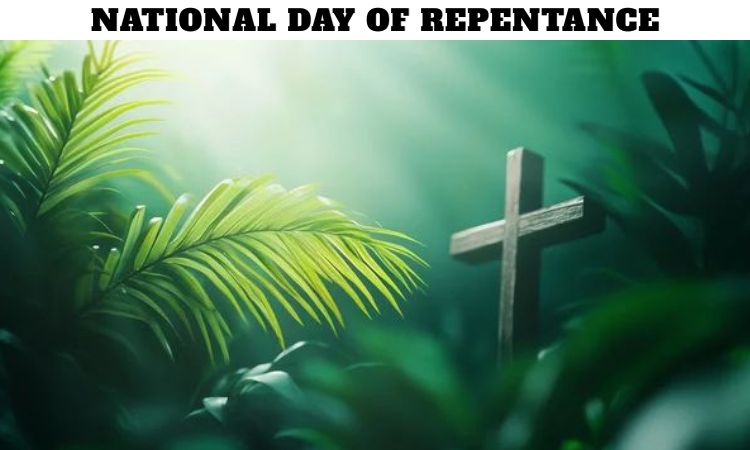
What Is National Day of Repentance?
National Day of Repentance is observed on August 26 as a day dedicated to reflection, humility, prayer, and turning away from actions or attitudes that may have caused harm. The concept of repentance is deeply connected with religious and spiritual traditions, where it generally means recognizing wrongdoing, expressing sincere regret, seeking forgiveness, and making an effort to change.
For many people, repentance is not limited to admitting a mistake. It can be a personal process of examining one’s choices, relationships, values, and responsibilities. A day centered on repentance can encourage individuals to slow down, reflect on their behavior, and consider how they can become more compassionate and responsible.
The observance can also have a broader community meaning. Instead of focusing only on individual mistakes, people may use the day to think about injustice, conflict, intolerance, discrimination, violence, environmental damage, or other issues affecting society.
Whether observed through prayer, meditation, charitable acts, conversations, or personal reflection, National Day of Repentance can provide an opportunity to seek a fresh beginning.
Why Is August 26 Associated With National Day of Repentance?
August 26 is associated with National Day of Repentance as a day encouraging people to dedicate time to spiritual reflection and personal change. The observance is particularly meaningful for people who follow Christian traditions or other faith practices that emphasize repentance and forgiveness.
Repentance has been an important concept throughout religious history. Many faith traditions encourage people to acknowledge mistakes and return to a path based on moral and spiritual values.
The August 26 observance provides an opportunity to bring this principle into everyday life. Rather than treating repentance simply as an expression of guilt, the day can be understood as an invitation to recognize mistakes and make constructive changes.
For some people, the date may be observed privately. Others may participate in religious services, prayer meetings, community gatherings, or charitable activities. The way the day is recognized can vary depending on personal beliefs and traditions.
What Does Repentance Really Mean?
Repentance is often misunderstood as simply saying that someone is sorry. In a deeper sense, repentance involves recognizing an action or attitude that needs to change and taking meaningful steps toward improvement.
True repentance can involve several elements. First comes awareness. A person needs to recognize what went wrong. The next step is genuine remorse, followed by accepting responsibility rather than blaming others.
Repentance can then lead to reconciliation and change. When appropriate, a person may apologize to someone they have hurt. They may also try to correct the consequences of their actions.
The most important part is often the commitment to do better. Saying sorry can be meaningful, but lasting change gives an apology greater value.
National Day of Repentance can therefore be viewed as a reminder that everyone makes mistakes, but mistakes do not have to define a person’s future.
Why Is Repentance Important in Daily Life?
Repentance can play an important role in personal growth because it encourages people to honestly evaluate their behavior. Without self-reflection, it can be easy to repeat the same mistakes.
Taking responsibility can also improve relationships. A sincere apology can help rebuild trust when someone has been hurt. Although forgiveness cannot always be expected, acknowledging one’s actions can be an important first step toward healing.
Repentance can also encourage humility. Nobody is perfect, and recognizing personal shortcomings can make it easier to understand the mistakes and struggles of others.
From a broader perspective, repentance can inspire positive action. A person who recognizes that their behavior has negatively affected others may decide to become more patient, respectful, generous, or considerate.
The day can therefore be seen not merely as a religious observance but as an opportunity for meaningful personal development.
How Can People Observe National Day of Repentance?
There are many ways to observe National Day of Repentance, depending on personal beliefs and circumstances. One of the simplest approaches is to spend some quiet time reflecting on the past.
People may think about decisions they regret, relationships that need attention, promises they failed to keep, or situations in which they could have behaved differently.
Prayer is another common way to observe a day of repentance. Religious individuals may pray for forgiveness, guidance, strength, and wisdom. They may also attend a worship service or participate in a community prayer gathering.
Some people may choose to apologize to someone they have hurt. A sincere apology should acknowledge the mistake without making excuses or shifting responsibility.
Charitable activity can also provide a meaningful way to mark the occasion. Helping someone in need, donating useful items, volunteering, or supporting a community project can turn reflection into positive action.
Others may observe the day through meditation, journaling, reading religious texts, or spending time with family.
What Are Some Simple Ways to Practice Repentance?
- Repentance does not always require a major public gesture. Small, sincere actions can be meaningful.
- A person can begin by identifying something they would like to change. This might be impatience, dishonesty, anger, selfishness, neglect of relationships, or another behavior.
- The next step is to take responsibility. Instead of searching for excuses, a person can honestly acknowledge their role in the situation.
- If another person was harmed, an apology may be appropriate. When possible, repairing the damage can make the apology more meaningful.
- People can also create practical goals. Someone who wants to become more patient, for example, might decide to pause before reacting during difficult conversations.
- Repentance becomes more meaningful when it results in changed behavior rather than remaining only a feeling of regret.
Can National Day of Repentance Be Observed by Everyone?
Yes, people can approach the concept of repentance according to their own beliefs and values. For religious individuals, the day may have a strong spiritual dimension. For others, it can serve as a general day of self-reflection and personal responsibility.
Different religions and cultures have their own traditions concerning forgiveness, remorse, reconciliation, and moral improvement. The specific practices may therefore differ.
Even people who do not follow a particular religion can use the basic idea of the day as an opportunity to consider their actions and relationships.
The important principle is sincere reflection. The observance does not need to look the same for everyone.
What Is the Difference Between Repentance, Regret, and Apology?
Regret, apology, and repentance are related but different concepts.
Regret is a feeling of sadness or disappointment about something that happened. A person may regret an action without taking steps to change.
An apology is an expression of sorrow or responsibility directed toward someone who has been affected.
Repentance goes further by involving a commitment to change. It can include regret and apology, but it also focuses on correcting behavior and avoiding the same mistake in the future.
For example, a person who loses their temper may regret what they said. They may apologize to the person they offended. Repentance would involve recognizing the pattern and actively working on healthier ways to respond to anger.
This distinction makes National Day of Repentance particularly relevant as a day of action rather than simply emotion.
Why Does Forgiveness Matter on National Day of Repentance?
Forgiveness is closely connected with repentance because both can contribute to healing and reconciliation. When someone sincerely acknowledges wrongdoing, forgiveness may become possible.
However, forgiveness should not be treated as something that can be demanded. The person who was hurt has the right to decide whether and when they are ready to forgive.
People can also reflect on forgiving themselves. Carrying guilt indefinitely can prevent personal growth. Healthy self-forgiveness does not mean ignoring wrongdoing. Instead, it means accepting responsibility, learning from the experience, and working toward better choices.
National Day of Repentance can therefore be an opportunity to consider both sides of forgiveness: asking for it sincerely and offering it when appropriate.
What Can Families Do on National Day of Repentance?
Families can observe the day through simple activities centered on gratitude, forgiveness, and reflection.
Parents can encourage children to talk about the importance of saying sorry and taking responsibility. Family members can discuss situations where kindness, patience, and honesty make a difference.
Families who follow a religious tradition may choose to pray together or attend a service. Others may prefer a quiet family discussion or charitable activity.
A family could also choose one positive action for the day, such as helping a neighbor, donating food, visiting someone who is lonely, or volunteering.
The goal is not to create guilt or fear. Instead, the day can teach that making mistakes is part of being human and that people can learn, apologize, repair, and grow.
How Can National Day of Repentance Inspire Positive Change?
The greatest value of repentance is the possibility of change. A day of reflection can become the beginning of better habits and healthier relationships.
People can use August 26 as a checkpoint. They can ask themselves whether their actions match their values and whether they treat other people with respect.
They can also identify areas where they want to improve. Perhaps they need to communicate more honestly, spend more time with family, control their temper, keep promises, or become more generous.
The day can also encourage people to think beyond themselves. Communities can reflect on conflicts and divisions and consider how compassion, cooperation, and understanding can create a better environment.
Repentance is ultimately about moving forward. The purpose of acknowledging the past is not to remain trapped in it, but to learn from it and make better choices.
How Can You Make National Day of Repentance Meaningful?
A meaningful observance does not require elaborate ceremonies. It can begin with a few minutes of honest reflection.
Ask yourself what you would change if given another opportunity. Think about people you may have hurt, promises you may have broken, and situations in which you could have acted differently.
If there is someone you need to apologize to, consider reaching out sincerely. If you can repair something you damaged, take action. If a particular habit continues to create problems, make a realistic plan to change it.
You can also spend part of the day doing something positive for another person.
National Day of Repentance can ultimately be a reminder that personal growth begins with honesty. Recognizing mistakes takes courage, asking for forgiveness takes humility, and changing one’s behavior takes commitment.
August 26 can therefore be used as a meaningful opportunity to leave behind harmful habits, strengthen relationships, practice forgiveness, and begin again with greater purpose.
Frequently Asked Questions (FAQs)
1. What is National Day of Repentance?
National Day of Repentance is observed on August 26 as a day focused on reflection, repentance, forgiveness, prayer, and positive personal change.
2. When is National Day of Repentance celebrated?
National Day of Repentance is observed on August 26 each year.
3. What does repentance mean?
Repentance means recognizing wrongdoing, expressing genuine remorse, taking responsibility, seeking forgiveness when appropriate, and making an effort to change.
4. How can I observe National Day of Repentance?
You can observe the day through prayer, meditation, self-reflection, apologizing to someone you have hurt, helping others, volunteering, or making positive changes in your life.
5. Is National Day of Repentance a religious observance?
The concept of repentance has strong religious roots, particularly in Christianity, but people can interpret and observe the day according to their own beliefs and values.
6. Why is forgiveness important on this day?
Forgiveness can help people move forward from mistakes and conflicts. The day encourages people to seek forgiveness sincerely and consider offering forgiveness when appropriate.
7. Can children participate in National Day of Repentance?
Yes. Families can use the day to teach children about responsibility, apologizing, forgiveness, kindness, honesty, and learning from mistakes.
8. What is the difference between repentance and saying sorry?
Saying sorry is an apology, while repentance involves a deeper commitment to change behavior and avoid repeating the same mistake.
9. Can I celebrate National Day of Repentance privately?
Yes. Personal prayer, meditation, journaling, reflection, or making a commitment to positive change can all be private ways to observe the day.
10. What is the main message of National Day of Repentance?
The central message is that people can acknowledge their mistakes, seek forgiveness, learn from the past, and make better choices moving forward.