

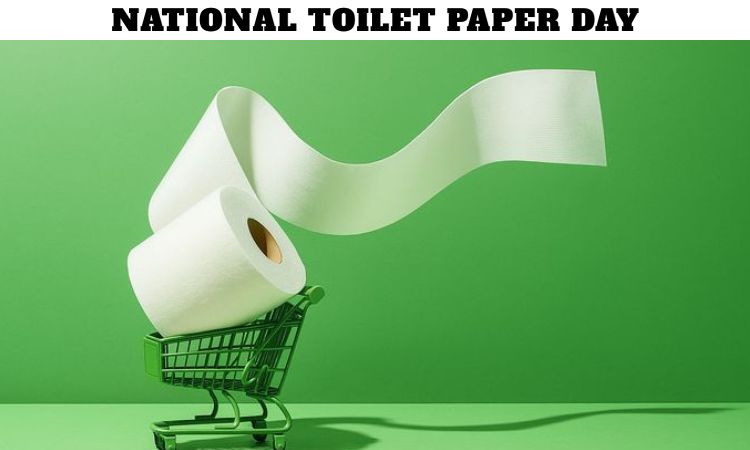
What Is National Toilet Paper Day?
National Toilet Paper Day is observed annually on August 26 as an informal celebration of one of the most familiar and frequently used household products: toilet paper. Although it is not a major official public holiday, the day offers an opportunity to appreciate an everyday item that plays an important role in personal hygiene, sanitation, and modern life.
Toilet paper is so common that people rarely stop to think about how important it is. It is found in homes, offices, schools, hotels, restaurants, hospitals, public restrooms, and countless other places. National Toilet Paper Day encourages people to recognize the convenience and hygiene that this simple paper product provides.
The day can also be used to learn more about the history of toilet paper, how it has changed over time, and the environmental questions surrounding its production and disposal.
When Is National Toilet Paper Day Celebrated?
National Toilet Paper Day is celebrated on August 26 every year. In 2026, the occasion falls on Wednesday, August 26.
The observance is generally treated as a fun and lighthearted awareness day rather than a formal national holiday. Like many unusual calendar days, it gives individuals, families, schools, businesses, and social media users an opportunity to participate in creative activities and share interesting facts.
Because toilet paper is an everyday necessity, August 26 can also serve as a reminder not to take basic hygiene and sanitation products for granted.
Why Is Toilet Paper Important?
Toilet paper is important because it supports personal cleanliness and hygiene. After using the toilet, proper cleaning helps remove waste and reduce unpleasant odors and contamination.
Modern sanitation involves much more than toilets and sewage systems. Personal hygiene products, including toilet paper, contribute to maintaining clean and comfortable environments.
Toilet paper is also designed to be convenient. It is lightweight, easy to store, generally inexpensive, and intended to break down after entering wastewater systems. Different varieties are available to meet different preferences, including single-ply, double-ply, recycled, bamboo-based, and other products.
Although it may appear insignificant compared with other household necessities, toilet paper is a product people rely on every day.
How Did Toilet Paper Develop Through History?
The idea of using a material for personal cleaning after using the toilet is very old. Before modern toilet paper became widely available, people used a variety of materials depending on their location, culture, resources, and economic circumstances.
Historical evidence shows that different societies used materials such as leaves, grass, cloth, water, wool, and other available resources for personal hygiene. In some places, people used water as the primary cleaning method, while others relied on reusable or disposable materials.
Paper eventually became one of the materials used for personal cleaning. Early forms of toilet paper were quite different from the soft rolls available today.
Commercially manufactured toilet paper began developing in the 19th century. As indoor plumbing and modern sanitation became increasingly common, toilet paper became more practical and widely available.
Over time, manufacturers improved its softness, strength, absorbency, packaging, and convenience. The familiar perforated roll became a standard household product in many countries.
When Did Toilet Paper Become a Household Essential?
Toilet paper gradually became a household essential as modern plumbing and sanitation systems expanded. During the 19th and 20th centuries, improvements in indoor bathrooms created greater demand for products specifically designed for personal hygiene.
The development of mass manufacturing also helped make toilet paper more accessible. Instead of relying on whatever materials were available locally, consumers could purchase standardized rolls designed for bathroom use.
Today, toilet paper is considered a basic household necessity in many parts of the world. Its widespread use demonstrates how innovations in sanitation can become so ordinary that people eventually stop noticing them.
What Are Some Interesting Facts About Toilet Paper?
Toilet paper has a surprisingly interesting history and cultural significance.
One interesting fact is that modern toilet paper is designed to balance softness and strength while also being able to break down in wastewater systems. This is one reason why toilet paper should generally be disposed of according to local plumbing and sanitation guidelines.
Another interesting point is that toilet paper comes in many different varieties. Consumers can choose products based on softness, thickness, absorbency, recycled content, packaging, and other features.
Toilet paper has also appeared in popular culture. Toilet paper rolls have been used for jokes, games, decorations, art projects, and even creative fashion designs.
Perhaps the most recognizable image associated with toilet paper is the familiar roll hanging in a bathroom. The design is simple, practical, and instantly recognizable around the world.
How Did Toilet Paper Become a Cultural Phenomenon?
Toilet paper is normally associated with hygiene and privacy, but it has also become part of popular culture.
One famous example is the use of toilet paper in harmless practical jokes, particularly decorating homes or rooms with rolls of paper. Toilet paper has also been used in creative competitions, costumes, crafts, and humorous social media content.
Its ordinary nature makes it particularly suitable for comedy. People rarely think about toilet paper as something entertaining, which is precisely why it can become the subject of jokes and unusual celebrations.
National Toilet Paper Day embraces this lighter side while also encouraging appreciation for sanitation and everyday conveniences.
How Can You Celebrate National Toilet Paper Day?
There are many simple and humorous ways to celebrate National Toilet Paper Day.
One option is to learn about the history of toilet paper and share an interesting fact with friends or family. Social media users can create educational or funny posts using the occasion’s theme.
Families with children can use toilet paper rolls for arts and crafts. Empty cardboard tubes can be transformed into small animals, characters, decorations, organizers, or other creative projects.
Another idea is to compare different types of toilet paper at home and discuss characteristics such as softness, thickness, packaging, and recycled content.
Businesses can also participate by creating humorous social media posts, hosting small contests, or offering themed promotions.
The most important thing is to keep the celebration respectful and avoid wasting large amounts of paper simply for entertainment.
How Can National Toilet Paper Day Promote Hygiene Awareness?
National Toilet Paper Day can be more than a humorous occasion. It can also provide an opportunity to discuss the importance of sanitation and personal hygiene.
Access to toilets, clean water, sanitation infrastructure, and hygiene products has a major effect on public health and quality of life. For many people, these facilities are so common that their importance is easy to overlook.
The day can therefore encourage conversations about responsible bathroom hygiene, proper waste disposal, handwashing, and maintaining clean shared restrooms.
Schools can use the occasion as an engaging way to introduce children to basic hygiene concepts. Businesses can use it as a reminder to maintain clean and well-stocked restroom facilities.
Is Toilet Paper Environmentally Friendly?
The environmental impact of toilet paper depends on how it is produced, transported, packaged, used, and disposed of.
Traditional toilet paper is generally made from wood pulp, meaning forests and natural resources can be involved in its production. Manufacturing also requires water and energy.
Consumers who are concerned about environmental issues can consider products made with recycled fibers or materials marketed as more sustainable. Using only the amount needed can also help reduce unnecessary consumption.
Packaging is another consideration. Products with excessive plastic packaging may create additional waste, while some manufacturers offer alternative packaging options.
The goal does not have to be eliminating toilet paper altogether. Instead, consumers can make informed choices and avoid unnecessary waste.
What Should You Know About Toilet Paper and Plumbing?
Toilet paper is specifically designed to break down in water, but plumbing systems can still experience problems when too much paper is flushed at once.
Consumers should follow local wastewater and plumbing recommendations. Items such as wipes, paper towels, tissues, sanitary products, cotton products, and other non-flushable materials may cause blockages even when their packaging suggests otherwise.
A good general habit is to flush only materials that are specifically intended and accepted for flushing by the local sanitation system.
Responsible disposal helps protect household plumbing and wastewater infrastructure.
Why Does National Toilet Paper Day Matter?
National Toilet Paper Day may sound humorous, but it highlights something important: everyday conveniences are often invisible until they are unavailable.
Toilet paper is one of the products people expect to find whenever they enter a bathroom. Its availability contributes to comfort, cleanliness, and personal hygiene.
The day also provides an opportunity to consider the resources required to manufacture everyday products. By thinking about consumption, waste, sustainability, and sanitation, people can turn a lighthearted observance into a useful learning experience.
August 26 can therefore be celebrated with humor while still recognizing the practical role toilet paper plays in everyday life.
Frequently Asked Questions (FAQs)
1. When is National Toilet Paper Day celebrated?
National Toilet Paper Day is observed every year on August 26.
2. Is National Toilet Paper Day an official national holiday?
It is generally recognized as an informal or novelty observance rather than a government-designated public holiday.
3. Why do people celebrate National Toilet Paper Day?
The day celebrates toilet paper as an everyday hygiene product and provides an opportunity to learn about its history, use, sanitation, and environmental impact.
4. Who invented toilet paper?
There is no single inventor of modern toilet paper. Different societies used paper and other materials for personal hygiene long before commercially manufactured toilet paper became available.
5. When did commercial toilet paper become popular?
Commercial toilet paper developed during the 19th century and became increasingly common as indoor plumbing and modern sanitation expanded.
6. Can children celebrate National Toilet Paper Day?
Yes. Children can participate through educational activities, toilet-paper-roll crafts, history lessons, and fun hygiene-related activities.
7. Is recycled toilet paper better for the environment?
Recycled toilet paper can reduce reliance on newly sourced wood fibers, although the overall environmental impact depends on manufacturing, transportation, packaging, and other factors.
8. Can toilet paper be recycled after it has been used?
Used toilet paper should generally not be placed in household recycling because it is contaminated and has already been broken down. Disposal should follow local sanitation guidelines.
9. Why should some bathroom products not be flushed?
Many products do not break down as readily as toilet paper and can contribute to clogged pipes and wastewater problems.
10. How can people celebrate National Toilet Paper Day responsibly?
People can learn about toilet paper’s history, share facts, create crafts from empty rolls, discuss hygiene, choose products thoughtfully, and avoid unnecessary paper waste.