

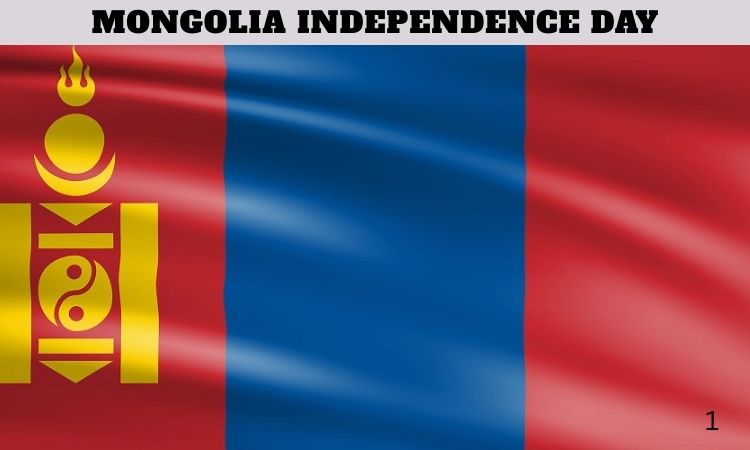
Mongolia’s Independence Day, observed every year on December 29, is one of the most historically significant and emotionally powerful national celebrations in Mongolia. This day commemorates the moment in 1911 when Mongolia declared its independence from Qing Dynasty rule, marking the rebirth of national sovereignty after centuries of foreign domination. It is a day filled with pride, remembrance, and deep respect for the sacrifices made by past generations to secure freedom.
Unlike many global celebrations that focus on festivities alone, Mongolia’s Independence Day carries a profound historical meaning. It reflects the resilience of the Mongolian people, their determination to preserve cultural identity, and their unwavering spirit of independence.
The Historical Background of Mongolia’s Independence Day
To understand the importance of Mongolia Independence Day, one must explore the historical events leading up to December 29, 1911. For centuries, Mongolia had been under the control of powerful empires, including the Qing Dynasty of China. During this period, Mongolians faced cultural suppression, economic hardship, and limited self-governance.
As the Qing Dynasty weakened in the early 20th century, Mongolian leaders seized the opportunity to reclaim their autonomy. On December 29, 1911, Mongolia officially declared independence, establishing the Bogd Khanate of Mongolia. This declaration marked the beginning of a renewed national identity and a restored sense of sovereignty.
Although Mongolia’s independence journey faced further political challenges in the following decades, December 29 remains a symbol of national awakening and resistance.
Why Mongolia’s Independence Day Matters?
Mongolia’s Independence Day is more than a historical milestone—it is a celebration of identity, unity, and perseverance. The day honors the courage of leaders, monks, and citizens who stood together to protect their homeland and cultural heritage.
For modern Mongolia, this day serves as a reminder of the nation’s ability to overcome adversity and maintain independence in a changing global landscape. It reinforces national pride and encourages citizens to reflect on the values of freedom, unity, and self-determination.
The Role of Culture and Tradition in the Celebration
Culture plays a central role in Mongolia’s Independence Day celebrations. Traditional clothing known as deel is often worn, symbolizing pride in Mongolian heritage. Folk music, throat singing, and traditional dances fill the air, connecting modern generations with ancient traditions.
Public performances and cultural exhibitions showcase Mongolia’s rich artistic legacy. These events highlight the importance of preserving customs that have been passed down for centuries, reinforcing national identity and unity.
National Ceremonies and Official Observances
On Mongolia’s Independence Day, official ceremonies are held across the country, particularly in the capital city of Ulaanbaatar. Government officials, dignitaries, and citizens gather to pay tribute to national heroes and historical leaders.
Key ceremonies often include:
Raising the national flag
Wreath-laying at monuments
Military parades and honor guards
Public speeches emphasizing unity and progress
These formal events reflect the solemn yet proud nature of the day, honoring both the past and the future of the nation.
Educational Importance of Mongolia’s Independence Day
Education plays a vital role in preserving the meaning of Mongolia Independence Day. Schools across the country organize special programs, lectures, and performances to teach students about the nation’s history and the struggles that led to independence.
Students learn about historical figures, political movements, and cultural traditions that shaped modern Mongolia. This educational focus ensures that future generations understand the value of freedom and national responsibility.
Mongolia’s Journey Toward Modern Statehood
Although independence was declared in 1911, Mongolia’s path toward full sovereignty was complex and challenging. Over the following decades, the nation navigated political transformations, international recognition, and internal reforms.
The establishment of the Mongolian People’s Republic in 1924 marked another turning point in the nation’s development. Later, democratic reforms in the 1990s further strengthened Mongolia’s identity as a sovereign and democratic nation.
Mongolia Independence Day honors this long and evolving journey, recognizing both struggles and achievements.
Cultural Pride and National Identity
One of the most powerful aspects of Mongolia’s Independence Day is the strong sense of national pride it fosters. Mongolians take great pride in their nomadic heritage, traditional values, and deep connection to the land.
Cultural symbols such as the horse, the eagle, and the vast steppe are celebrated as representations of freedom and resilience. These elements are often featured in performances, artwork, and public displays during the celebrations.
How Mongolia’s Independence Day Is Celebrated Today?
Modern celebrations of Mongolia’s Independence Day blend tradition with contemporary expression. Activities may include:
Cultural performances and music festivals
Historical exhibitions and museum events
Educational workshops and storytelling sessions
Public gatherings and community celebrations
Families often come together to share traditional meals, reinforcing the importance of unity and cultural continuity.
The Global Significance of Mongolia’s Independence Day
While deeply rooted in national history, Mongolia’s Independence Day also holds global relevance. It serves as a reminder of the universal struggle for freedom and self-determination experienced by many nations throughout history.
Mongolia’s peaceful diplomatic relations and commitment to international cooperation further highlight its role as a respected member of the global community. The celebration reflects values of independence, peace, and mutual respect.
Mongolia’s Independence Day and National Reflection
This special day encourages reflection on past sacrifices and future aspirations. It is a time for Mongolians to honor their ancestors while envisioning progress and unity for generations to come.
The lessons of history emphasized on Mongolia’s Independence Day inspire citizens to uphold democratic values, cultural preservation, and national solidarity.
Why Mongolia’s Independence Day Remains Relevant Today?
In an era of rapid globalization, maintaining cultural identity is more important than ever. Mongolia’s Independence Day reminds citizens of the importance of sovereignty, heritage, and collective memory.
The day serves as a powerful symbol of resilience, demonstrating that even small nations can protect their independence through unity, courage, and perseverance.
Conclusion: Honoring the Spirit of Mongolia’s Independence Day
Mongolia’s Independence Day – December 29 stands as a proud testament to the nation’s enduring spirit and historical strength. It celebrates freedom, cultural heritage, and the unwavering determination of the Mongolian people.