

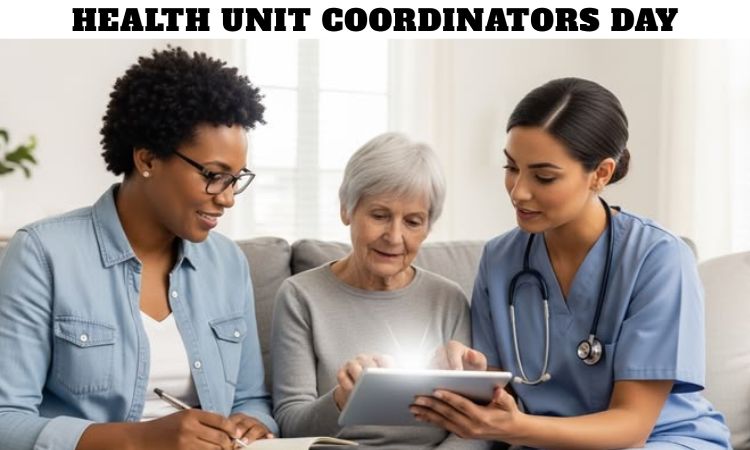
What Is Health Unit Coordinators Day?
Health Unit Coordinators Day is observed annually on August 23 to recognize the important work performed by health unit coordinators in hospitals, clinics, nursing facilities, and other healthcare settings. These professionals play a valuable role in keeping healthcare units organized and helping clinical teams operate efficiently.
Although health unit coordinators may not always be directly involved in diagnosing or treating patients, their administrative and communication responsibilities are essential to patient care. They often serve as an important connection between patients, nurses, physicians, families, and other members of the healthcare team.
The observance provides an opportunity to recognize the organization, communication, accuracy, and professionalism required to manage the many details involved in a busy healthcare environment.
Why Is Health Unit Coordinators Day Celebrated on August 23?
August 23 is dedicated to acknowledging health unit coordinators and the contributions they make to healthcare organizations. The day helps bring attention to a profession that can sometimes work behind the scenes but has a significant impact on the daily functioning of healthcare units.
Hospitals and medical facilities involve numerous moving parts. Patient information, appointments, documentation, communications, requests, supplies, admissions, discharges, and coordination between departments must all be handled efficiently. Health unit coordinators frequently assist with these activities while maintaining professionalism and confidentiality.
Health Unit Coordinators Day therefore serves as a reminder that quality healthcare depends not only on medical treatment but also on effective coordination and administration.
What Does a Health Unit Coordinator Do?
A health unit coordinator performs a wide variety of administrative and coordination tasks within a healthcare environment. Their exact responsibilities can vary depending on the facility, department, and job position.
One of their important responsibilities is communication. Health unit coordinators may answer telephones, receive messages, communicate with members of the healthcare team, and help direct information to the appropriate person.
They may also assist with maintaining patient records and processing documentation. Accuracy is particularly important because healthcare professionals depend on reliable information when providing care.
Other responsibilities can include coordinating appointments, handling forms, preparing documents, assisting with admissions and discharges, communicating with hospital departments, and helping maintain an organized nursing station or healthcare unit.
The role requires attention to detail because even a small administrative mistake can create confusion or delays in a busy healthcare setting.
Why Are Health Unit Coordinators Important in Healthcare?
Healthcare is a highly coordinated field, and health unit coordinators contribute to that coordination every day. Their work helps nurses, physicians, technicians, patients, and families communicate more effectively.
A well-organized unit allows clinical professionals to concentrate more effectively on patient care. When administrative processes are handled efficiently, healthcare staff can spend less time searching for information or dealing with avoidable organizational problems.
Health unit coordinators can also contribute to a positive patient experience. Patients and family members may have questions about appointments, paperwork, directions, or communication with healthcare departments. A professional and helpful coordinator can make these interactions easier.
Their contribution demonstrates that healthcare is a team effort involving many different professionals with different responsibilities.
What Skills Does a Health Unit Coordinator Need?
Health unit coordinators need a combination of administrative, communication, organizational, and interpersonal skills.
Communication skills are particularly important. Coordinators regularly interact with healthcare professionals, patients, families, visitors, and administrative staff. They need to communicate information clearly and professionally.
Organization is another essential skill. Healthcare environments can be extremely busy, with several tasks requiring attention at the same time. Coordinators must prioritize responsibilities and keep track of important information.
Attention to detail is equally valuable. Accurate documentation, scheduling, communication, and record handling can affect the efficiency of an entire unit.
Computer skills are increasingly important as healthcare organizations use electronic systems for records, scheduling, communication, and administrative processes.
Confidentiality and professionalism are also essential. Health unit coordinators may have access to sensitive patient information and must understand the importance of protecting privacy.
How Does a Health Unit Coordinator Support Patients and Families?
Health unit coordinators can have an important role in the overall patient experience. While they generally do not provide clinical treatment, they can help patients and families navigate administrative aspects of healthcare.
For example, a coordinator may help direct a patient or visitor to the appropriate department, communicate a message to a healthcare professional, assist with paperwork, or help coordinate administrative processes.
Patients and families may feel stressed or uncertain when visiting a hospital. Clear communication and an organized environment can make the experience easier.
A friendly and professional health unit coordinator can provide reassurance by helping people understand where they need to go or whom they need to contact.
How Do Health Unit Coordinators Help Nurses and Doctors?
Health unit coordinators help healthcare professionals by supporting the administrative and communication functions of a healthcare unit.
Nurses and doctors have demanding clinical responsibilities. Administrative coordination can take significant time, particularly in busy hospitals. Coordinators can help manage communications, paperwork, scheduling-related activities, records, and other non-clinical responsibilities.
By keeping information organized and directing communications appropriately, health unit coordinators can help clinical teams work more efficiently.
Their role does not replace the responsibilities of nurses, doctors, or other healthcare professionals. Instead, it complements those roles by helping create an organized working environment.
Where Do Health Unit Coordinators Work?
Health unit coordinators can work in many different healthcare settings. Hospitals are among the most common workplaces, but opportunities may also exist in outpatient facilities, clinics, rehabilitation centers, long-term care facilities, specialty medical centers, and other healthcare organizations.
The work environment can vary significantly. A coordinator working in a hospital emergency department may experience a very different pace from someone working in an outpatient clinic.
Regardless of the setting, the central purpose of the role remains similar: supporting communication, organization, documentation, and administrative coordination within healthcare.
How Can People Become Health Unit Coordinators?
People interested in becoming health unit coordinators can explore education and training programs focused on healthcare administration, medical office procedures, health unit coordination, medical terminology, and related subjects.
Educational requirements can vary among employers and locations. Some positions may require a certificate or specialized training, while others may prefer candidates with relevant healthcare administration experience or education.
Understanding medical terminology, healthcare procedures, documentation practices, computer systems, communication techniques, and patient privacy principles can be beneficial.
Those interested in this career should also develop strong organizational and interpersonal skills because the job involves frequent communication and multitasking.
Why Should We Appreciate Health Unit Coordinators?
Health unit coordinators often perform their responsibilities without receiving the same public attention as doctors, nurses, and other clinical professionals. However, their work can have an important influence on how efficiently a healthcare unit functions.
They help manage countless administrative details, communicate information, support healthcare staff, and interact with patients and families.
Their contribution is a good example of how healthcare depends on many different professionals working together. A hospital cannot function effectively through clinical care alone. Administrative coordination, communication, technology, logistics, and record management are also necessary.
Health Unit Coordinators Day gives organizations and individuals a chance to acknowledge these professionals and thank them for their work.
How Can Hospitals and Healthcare Organizations Celebrate Health Unit Coordinators Day?
Healthcare organizations can celebrate Health Unit Coordinators Day in simple but meaningful ways. Managers can recognize coordinators during staff meetings, distribute appreciation messages, organize a small recognition event, or highlight their contributions through internal communications.
Patients and coworkers can also express their appreciation with a simple thank-you message.
Healthcare facilities could use August 23 as an opportunity to educate staff members about the responsibilities of health unit coordinators. Recognizing the role can encourage stronger teamwork between administrative and clinical employees.
Social media can also be used to acknowledge the profession and share positive messages about the people who help keep healthcare units organized.
How Can Individuals Celebrate Health Unit Coordinators Day?
Celebrating the day does not require an elaborate event. A simple message of appreciation can make the occasion meaningful.
If you work in healthcare, you can thank a health unit coordinator for their contribution to your team. If you are a patient or family member who has benefited from their assistance, you can express your appreciation directly.
Organizations can also share educational content about the profession to increase awareness.
Another meaningful way to observe the day is to learn more about healthcare support professions. Understanding the responsibilities of different healthcare workers helps people appreciate how many individuals contribute to patient care.
What Makes Health Unit Coordinators Day Meaningful?
Health Unit Coordinators Day is meaningful because it recognizes professionals whose work is often essential but not always highly visible.
Healthcare depends on teamwork. Doctors and nurses provide clinical care, technicians perform specialized services, therapists support recovery, and many administrative professionals ensure that information and processes move efficiently throughout the organization.
Health unit coordinators are part of this larger system. Their organizational skills, communication, attention to detail, and dedication can help healthcare units operate smoothly.
August 23 is therefore an opportunity to pause and recognize the people who help make the healthcare environment more organized and coordinated.
What Can We Learn From Health Unit Coordinators Day?
Health Unit Coordinators Day highlights an important lesson about teamwork: every role can contribute to better healthcare.
The professionals working behind the scenes can have a meaningful effect on the experience of patients and healthcare workers. Efficient communication, accurate documentation, organization, and respectful interactions are all important components of a functioning healthcare system.
The observance also reminds us that appreciation can have a positive effect in the workplace. Recognizing someone’s contribution does not always require a major celebration. Sometimes a sincere thank-you is enough to show that their work is noticed and valued.
On August 23, Health Unit Coordinators Day provides the perfect opportunity to recognize these dedicated healthcare professionals and celebrate their role in supporting patients, families, and clinical teams.
Frequently Asked Questions (FAQs)
1. When is Health Unit Coordinators Day celebrated?
Health Unit Coordinators Day is celebrated annually on August 23.
2. What is Health Unit Coordinators Day?
Health Unit Coordinators Day is an observance that recognizes and appreciates the contributions of health unit coordinators who support healthcare teams through administrative, communication, organizational, and coordination responsibilities.
3. Why are health unit coordinators important?
Health unit coordinators help healthcare units stay organized by supporting communication, documentation, scheduling-related activities, patient information processes, and other administrative responsibilities.
4. Where do health unit coordinators work?
Health unit coordinators may work in hospitals, clinics, outpatient centers, rehabilitation facilities, long-term care organizations, specialty healthcare facilities, and other medical environments.
5. Do health unit coordinators provide medical treatment?
Generally, health unit coordinators are administrative and coordination professionals rather than clinical healthcare providers. Their responsibilities primarily involve organization, communication, documentation, and support.
6. What skills are important for a health unit coordinator?
Important skills include communication, organization, multitasking, attention to detail, computer literacy, professionalism, and the ability to handle confidential information appropriately.
7. How can hospitals celebrate Health Unit Coordinators Day?
Hospitals can celebrate by recognizing coordinators during staff meetings, sending appreciation messages, organizing recognition activities, or highlighting their contributions to the healthcare team.
8. How can I thank a health unit coordinator?
You can thank a health unit coordinator with a sincere message, appreciation note, verbal recognition, or a simple acknowledgment of the important work they perform.
9. Is Health Unit Coordinators Day an official public holiday?
Health Unit Coordinators Day is an observance intended to recognize the profession. It is not generally treated as a nationwide public holiday with a day off from work.
10. Why should we celebrate Health Unit Coordinators Day?
The day provides an opportunity to recognize healthcare professionals who help maintain organization, communication, and efficiency within healthcare units and support the broader patient-care team.