

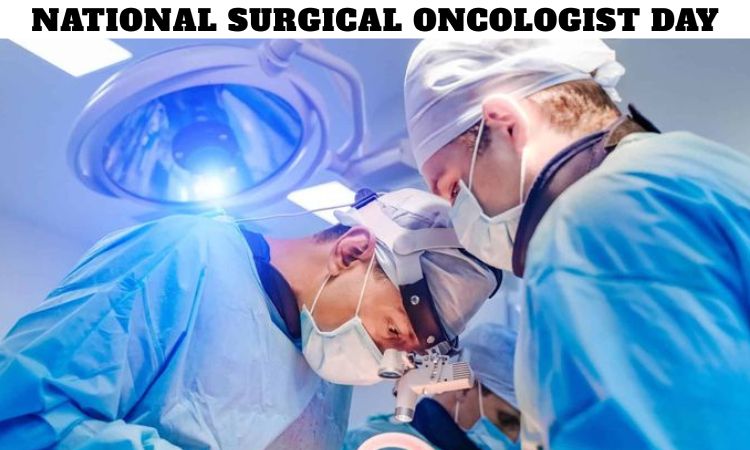
What Is National Surgical Oncologist Day?
National Surgical Oncologist Day is observed on August 22 as an occasion to recognize surgical oncologists and the important role they play in cancer care. Surgical oncology is a specialized field focused on the surgical treatment of cancer and the management of tumors that may require an operation.
Cancer treatment is rarely limited to one approach. Depending on the type, location, stage, and characteristics of a cancer, patients may receive surgery, chemotherapy, radiation therapy, immunotherapy, targeted therapy, hormone therapy, or a combination of treatments. Surgical oncologists are often an important part of this multidisciplinary process.
The day provides an opportunity to appreciate the medical professionals who perform complex cancer surgeries, communicate treatment options, work with multidisciplinary teams, and support patients and families through challenging periods.
Why Is National Surgical Oncologist Day Observed on August 22?
August 22 is observed as National Surgical Oncologist Day to bring attention to the specialized work of surgical oncologists and their contribution to cancer treatment. The occasion also provides a chance to increase awareness about surgical oncology as a medical specialty.
For many cancers, surgery can play a major role in treatment. A surgical oncologist may remove a tumor, surrounding tissue, nearby lymph nodes, or other affected areas when medically appropriate. In some cases, surgery can be part of a treatment plan intended to remove cancer completely. In other situations, surgery may help control symptoms or improve quality of life.
The observance also encourages people to understand that cancer treatment decisions are highly individualized. A surgical oncologist evaluates the patient’s condition and works with other specialists to determine whether surgery is appropriate.
What Does a Surgical Oncologist Do?
A surgical oncologist is a surgeon who specializes in treating cancer through surgical procedures. Their work can involve diagnosing tumors, determining whether a patient may benefit from surgery, removing cancerous tissue, and helping coordinate treatment with other cancer specialists.
Surgical oncologists may treat a wide range of cancers, including certain cancers affecting the breast, digestive system, liver, pancreas, stomach, colon, rectum, skin, soft tissues, and other parts of the body.
Their responsibilities can begin before an operation. They may review imaging scans, pathology reports, laboratory results, and other medical information. They also discuss potential treatment options, expected benefits, possible complications, recovery, and alternative approaches with patients.
After surgery, they may monitor recovery, manage postoperative concerns, and coordinate further treatment when necessary.
Why Is Surgical Oncology Important in Cancer Treatment?
Surgery can be an important component of cancer treatment because some solid tumors can be physically removed from the body. Whether surgery is appropriate depends on many factors, including cancer type, tumor size, location, stage, spread, overall health, and the relationship of the tumor to nearby organs or structures.
In some cases, surgery is performed with the goal of removing all visible cancer. In other circumstances, surgery may be combined with chemotherapy or radiation therapy before or after the operation.
For example, a patient may receive treatment before surgery to shrink a tumor and make an operation more effective. Another patient may undergo surgery first and then receive additional treatment to reduce the risk of recurrence.
This demonstrates why surgical oncology is often part of a broader cancer-care strategy rather than an isolated treatment.
How Do Surgical Oncologists Work With Other Cancer Specialists?
Cancer care frequently involves a multidisciplinary team. Surgical oncologists may work alongside medical oncologists, radiation oncologists, pathologists, radiologists, oncology nurses, genetic specialists, nutrition professionals, rehabilitation specialists, and other healthcare providers.
Each professional contributes a different area of expertise.
A radiologist may help interpret imaging studies, while a pathologist examines tissue samples to identify and characterize cancer. A medical oncologist may recommend systemic treatments such as chemotherapy, immunotherapy, targeted therapy, or hormone therapy. A radiation oncologist may determine whether radiation could be useful.
The surgical oncologist focuses particularly on whether and how surgery can contribute to the patient’s treatment plan.
Collaboration among these professionals can help create a coordinated approach that considers the patient’s diagnosis, treatment goals, medical circumstances, and preferences.
What Types of Cancer Can Surgical Oncologists Treat?
Surgical oncologists can be involved in the treatment of many different types of cancer. The exact cancers treated vary according to a surgeon’s specialization and medical institution.
Surgical oncology may include procedures involving breast cancer, colorectal cancer, gastrointestinal cancers, liver cancer, pancreatic cancer, stomach cancer, melanoma, sarcomas, and other solid tumors.
Some surgical oncologists develop highly specialized expertise in particular organs or cancer types. Others focus on specific techniques or complex cancer procedures.
Because every cancer is different, patients should not assume that surgery is automatically necessary or appropriate. Treatment should be determined by qualified healthcare professionals after evaluating the individual’s diagnosis and circumstances.
What Makes Cancer Surgery Different From Other Surgical Procedures?
Cancer surgery can involve particularly complex decision-making because surgeons must consider both the tumor and surrounding structures. The objective may be to remove cancer while preserving as much healthy tissue and normal function as possible.
In some operations, surgeons may need to remove nearby lymph nodes or surrounding tissue to evaluate or treat potential cancer involvement. Complex tumors may also be located close to important blood vessels, nerves, or organs.
Modern surgical oncology can involve different approaches, including traditional open surgery and, when appropriate, minimally invasive techniques. Laparoscopic and robotic-assisted procedures may be used for certain operations depending on the cancer and the patient’s individual circumstances.
The appropriate surgical approach depends on the specific medical situation rather than simply choosing the newest available technology.
How Has Surgical Oncology Changed Over the Years?
Surgical oncology has evolved considerably as doctors have gained a better understanding of cancer biology, imaging, anesthesia, surgical techniques, pathology, and postoperative care.
Advances in imaging can help physicians understand the location and extent of tumors before surgery. Improved surgical techniques can allow some procedures to be performed through smaller incisions when appropriate.
Minimally invasive surgery, enhanced recovery programs, improved anesthesia, better pain-management strategies, and advances in intensive care have also contributed to changes in cancer surgery.
At the same time, treatment has become increasingly personalized. Surgeons can use information from pathology, imaging, molecular testing, and multidisciplinary consultations to help determine the most suitable treatment strategy.
How Can Patients Prepare for Cancer Surgery?
Patients preparing for cancer surgery can benefit from having an open conversation with their healthcare team. Understanding the purpose of an operation, expected recovery, possible risks, and follow-up treatment can help patients make informed decisions.
- Patients may want to ask questions such as:
- What is the purpose of the surgery?
- What will the procedure involve?
- Are there alternatives to surgery?
- What are the possible risks and complications?
- How long might recovery take?
- Will additional cancer treatment be needed afterward?
- What changes should be expected during recovery?
Patients should also provide their healthcare team with accurate information about medications, allergies, previous procedures, and other relevant medical details.
Emotional preparation can be important as well. Cancer surgery can be stressful for patients and families, and seeking support from trusted family members, friends, counselors, or appropriate cancer-support services can be helpful.
Why Should We Appreciate Surgical Oncologists on August 22?
National Surgical Oncologist Day offers an opportunity to recognize the expertise, dedication, and responsibility involved in cancer surgery.
Surgical oncologists often work with patients during some of the most difficult moments of their lives. Their work requires technical skill, careful planning, communication, teamwork, and compassion.
The operating room is only one part of their role. Surgical oncologists may spend considerable time reviewing cases, studying diagnostic information, discussing treatment plans with colleagues, explaining procedures to patients, and monitoring recovery.
The profession also requires continuous learning because cancer treatment continues to evolve.
Recognizing surgical oncologists on August 22 can therefore be a meaningful way to acknowledge their contribution to cancer care.
How Can People Celebrate National Surgical Oncologist Day?
People can observe National Surgical Oncologist Day by learning more about surgical oncology and cancer treatment. Awareness can be one of the simplest and most useful ways to recognize the occasion.
Hospitals and healthcare organizations can use the day to highlight the work of surgical oncology teams, share educational information, or recognize medical professionals who contribute to cancer care.
Patients and families can express appreciation to their healthcare teams through a thoughtful message or other appropriate gesture.
The day can also encourage conversations about cancer awareness, preventive healthcare, screening recommendations, and the importance of discussing concerning symptoms with qualified healthcare professionals.
However, National Surgical Oncologist Day should not be viewed as a substitute for professional medical advice. Cancer screening and treatment decisions should always be based on individual medical circumstances and guidance from healthcare professionals.
What Message Does National Surgical Oncologist Day Share?
National Surgical Oncologist Day highlights an important message: cancer care depends on specialized knowledge, teamwork, technology, and compassionate patient care.
Surgical oncologists occupy an important place within that system. Their work can involve complicated procedures, difficult decisions, long hours, and close collaboration with other healthcare professionals.
August 22 provides a moment to recognize these specialists while also encouraging greater public understanding of cancer treatment.
The day can remind people that behind every surgical procedure is a team of professionals working toward the best possible outcome for a patient. It can also inspire greater appreciation for medical research, surgical innovation, cancer awareness, and the healthcare workers who dedicate their careers to helping people affected by cancer.
Ultimately, National Surgical Oncologist Day is an opportunity to recognize the skill and commitment of surgical oncologists and to acknowledge the broader teams that support patients throughout their cancer journey.
Frequently Asked Questions (FAQs)
1. When is National Surgical Oncologist Day celebrated?
National Surgical Oncologist Day is observed on August 22. The occasion recognizes surgical oncologists and raises awareness about their role in cancer treatment.
2. What is a surgical oncologist?
A surgical oncologist is a surgeon who specializes in the surgical management of cancer. They may perform procedures to remove tumors and can work with other cancer specialists as part of a multidisciplinary treatment team.
3. Why is National Surgical Oncologist Day important?
The day is important because it recognizes the specialized work of surgical oncologists and helps increase public awareness of the role surgery can play in cancer treatment.
4. What cancers can surgical oncologists treat?
Surgical oncologists may treat many types of solid tumors, including certain breast, colorectal, gastrointestinal, liver, pancreatic, stomach, skin, and soft-tissue cancers. Their areas of expertise vary.
5. Is surgery always necessary for cancer treatment?
No. Surgery is not appropriate for every cancer or every patient. Treatment depends on the type, stage, location, characteristics of the cancer, overall health, and other factors.
6. Do surgical oncologists work with other doctors?
Yes. Surgical oncologists commonly collaborate with medical oncologists, radiation oncologists, pathologists, radiologists, nurses, and other healthcare professionals to develop coordinated treatment plans.
7. What happens during a surgical oncology consultation?
A surgical oncology consultation may include a review of medical history, imaging, pathology results, diagnosis, treatment options, the potential role of surgery, expected recovery, and possible risks.
8. How can people celebrate National Surgical Oncologist Day?
People can observe the day by learning about surgical oncology, sharing cancer-awareness information, appreciating healthcare professionals, and supporting patients and families affected by cancer.
9. Has surgical oncology changed with modern technology?
Yes. Advances in imaging, minimally invasive surgery, robotic-assisted procedures, anesthesia, pathology, postoperative care, and personalized cancer treatment have influenced modern surgical oncology.
10. Is National Surgical Oncologist Day a public holiday?
No. National Surgical Oncologist Day is an awareness observance rather than a federal public holiday. It provides an opportunity to recognize surgical oncologists and educate people about their role in cancer care.