

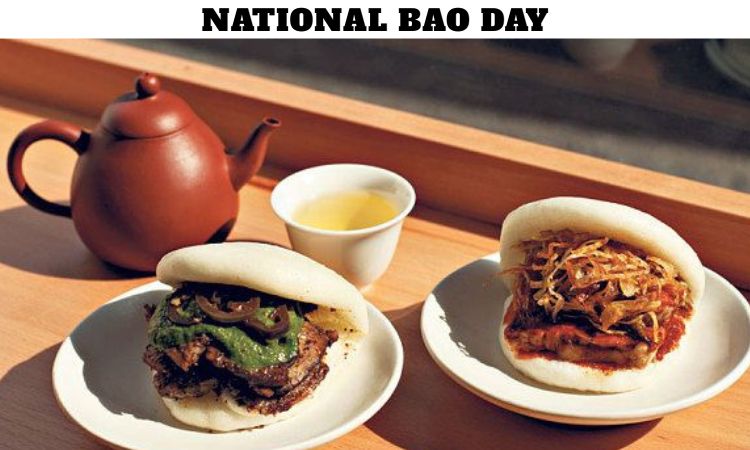
What Is National Bao Day?
National Bao Day is observed on August 22 as a day to appreciate bao, one of the most recognizable and versatile foods associated with Chinese cuisine and broader Asian food culture. Bao are soft, steamed buns that can be filled with savory or sweet ingredients, making them suitable for breakfast, snacks, lunch, dinner, celebrations, and casual gatherings.
The word “bao” is commonly used to describe steamed buns, although the exact names and styles can vary significantly across different regions and culinary traditions. Some bao are completely enclosed around a filling, while others are folded around ingredients in a pocket-like shape.
National Bao Day gives food lovers an opportunity to explore these different preparations and appreciate the culinary traditions behind them. It can be celebrated by preparing homemade bao, visiting a restaurant specializing in steamed buns, trying a new filling, sharing bao with friends, or learning more about the history of Chinese and Asian cuisine.
For many people, the appeal of bao goes beyond their taste. Their soft texture, fragrant fillings, attractive appearance, and endless customization possibilities have helped them become popular around the world.
When Is National Bao Day Celebrated?
National Bao Day is celebrated every year on August 22.
The date provides an opportunity for bao enthusiasts to enjoy this popular food during the summer and introduce friends and family members to different varieties of steamed buns.
Food-themed observances such as National Bao Day can also encourage people to discover dishes they may not have encountered before. A simple August 22 celebration could involve ordering several varieties of bao and comparing their fillings, textures, sauces, and preparation styles.
Restaurants and food businesses can also use the occasion to highlight bao on their menus, while home cooks can experiment with fillings and steaming techniques.
Why Is Bao So Popular Around the World?
Bao has become popular internationally because it combines simple ingredients with remarkable versatility. A steamed bun can be soft, fluffy, savory, sweet, vegetarian, meat-filled, spicy, mild, traditional, or creatively modern.
The steamed dough provides a neutral base that allows fillings to become the main attraction. Depending on the recipe, the dough may have a slightly sweet flavor and a light, airy texture.
Bao are also convenient to eat. Their compact shape makes them suitable for casual meals and street-food settings. Restaurants can serve them individually or as part of larger meals, allowing customers to sample several varieties.
Modern chefs have further expanded the possibilities by combining traditional bao-making techniques with contemporary ingredients. This has introduced bao to diners who may not have previously been familiar with Chinese steamed buns.
What Is the History of Bao?
The history of bao is closely connected to the long culinary tradition of steamed wheat-based foods in China. Steamed buns have been prepared in Chinese cuisine for centuries, and different regions developed their own versions, names, fillings, shapes, and preparation methods.
One commonly known type is baozi, a filled steamed bun. Baozi can contain a wide range of fillings, including pork, vegetables, mushrooms, tofu, seafood, or sweet bean pastes.
Another important distinction is between filled and unfilled steamed buns. Mantou, for example, is generally an unfilled steamed wheat bun and is an important traditional food in northern Chinese cuisine.
Over time, steamed buns spread and evolved across different parts of Asia. Local ingredients and cooking traditions influenced the development of new varieties, contributing to the diverse bao culture enjoyed today.
Because bao has such a long culinary history, there is no single recipe that represents every form of the food. Instead, bao encompasses a broad family of steamed buns and related preparations.
What Are the Most Popular Types of Bao?
There are numerous types of bao, and their names can differ depending on region and culinary tradition.
- Baozi are among the best-known filled steamed buns. They are typically round and enclosed around a filling, with the dough gathered at the top.
- Char siu bao are associated with Cantonese cuisine and are traditionally filled with sweet-savory barbecue pork. They are particularly recognizable for their soft white dough and flavorful filling.
- Mantou are usually plain steamed buns without a filling. They can be eaten alongside savory dishes or enjoyed as a simple staple food.
- Gua bao, often called Taiwanese steamed buns or Taiwanese pork belly buns, are folded rather than completely enclosed. They can be filled with ingredients such as braised pork belly, pickled vegetables, crushed peanuts, and herbs.
- Sweet varieties may contain red bean paste, lotus seed paste, custard, sesame paste, or other sweet fillings.
- The variety of bao means that there is something for almost every taste preference.
What Ingredients Are Used to Make Bao?
Traditional bao dough generally relies on a relatively simple combination of ingredients. Wheat flour, water, yeast, and sometimes sugar and other ingredients form the foundation of many steamed bun recipes.
The filling depends entirely on the variety.
Savory bao may contain pork, chicken, beef, shrimp, mushrooms, cabbage, carrots, tofu, chives, or other vegetables. Seasonings can include soy sauce, sesame oil, ginger, garlic, scallions, pepper, and other spices.
Sweet bao can feature red bean paste, lotus paste, custard, sesame, or fruit-inspired fillings.
The dough and filling are only part of the experience. Sauces, herbs, pickled vegetables, chili oil, and other accompaniments can add additional layers of flavor.
How Is Bao Traditionally Prepared?
Bao are generally prepared by making a soft dough, allowing it to ferment or rise, shaping the dough, adding the filling when applicable, and then steaming the buns until they become soft and fully cooked.
The steaming process is one of the defining characteristics of bao. Unlike baked bread, steamed buns develop a distinctive soft and tender texture.
Proper dough preparation is important because the texture of the finished bun depends heavily on fermentation, kneading, shaping, and steaming.
When making filled bao, the filling must be enclosed carefully so that it remains inside the bun during cooking. Experienced bao makers can create decorative pleats at the top of the bun, turning a simple food into an attractive culinary creation.
How Can We Celebrate National Bao Day?
There are many enjoyable ways to celebrate National Bao Day on August 22.
We can start by visiting a local restaurant or Asian food establishment and ordering several different varieties. Sharing multiple types makes it easier to appreciate the differences between fillings and preparation styles.
Another option is to make bao at home. Beginners can start with a straightforward recipe and experiment with familiar fillings before attempting more elaborate versions.
A bao tasting party can also make August 22 more memorable. We can prepare or purchase several varieties and serve them with different sauces, herbs, pickles, and beverages.
Food photography is another fun idea. The pleated shape and colorful fillings can make bao especially appealing for food photography and social media posts.
For a cultural celebration, we can also spend time learning about the culinary traditions associated with Chinese steamed buns and the different regional foods that have influenced modern bao.
What Are Some Popular Bao Filling Ideas?
The versatility of bao makes filling experimentation particularly enjoyable.
For a traditional savory option, barbecue pork is a popular choice. The sweet and savory flavor pairs naturally with the soft steamed dough.
Vegetarian bao can contain mushrooms, tofu, cabbage, carrots, scallions, and other vegetables. Mushroom-based fillings can provide a rich, savory flavor without meat.
Chicken bao can be seasoned with ginger, garlic, soy sauce, and scallions. Seafood versions can use shrimp or other ingredients depending on the recipe.
For something sweet, red bean paste remains a classic option. Custard, sesame, lotus paste, and other sweet fillings can also be used.
We can even create fusion bao by incorporating flavors from different cuisines, although traditional preparations remain an important part of bao’s culinary identity.
Why Is Steaming Important When Making Bao?
Steaming creates the soft, fluffy texture that distinguishes bao from many other types of bread or buns.
The moist heat of steam cooks the dough without creating the dry crust associated with baking. This allows the outside of the bun to remain tender and pale.
Temperature, steaming time, dough fermentation, and the arrangement of buns inside the steamer can all affect the final result.
Opening the steamer too frequently can also interfere with cooking. Once properly steamed, bao should have a soft texture and should not feel raw or excessively dense in the center.
The technique may require practice, but the results can be extremely rewarding.
What Makes National Bao Day Special?
National Bao Day celebrates much more than a particular food. It provides an opportunity to appreciate culinary heritage, regional diversity, creativity, and shared dining experiences.
Bao demonstrates how a relatively simple combination of dough and filling can develop into countless varieties. Different regions and communities have adapted steamed buns according to available ingredients, local tastes, and culinary traditions.
The day can therefore be enjoyed casually or used as an opportunity to explore food history and cultural traditions.
For families, it can become a cooking activity. For restaurants, it can be a chance to introduce customers to new menu items. For food enthusiasts, it can be an excuse to discover another style of Asian cuisine.
What Are Some Interesting Facts About Bao?
- Bao can be savory or sweet, making them suitable for many different meals and occasions.
- Baozi are typically filled steamed buns, while mantou are generally unfilled steamed buns.
- Steaming gives bao their characteristic soft texture and distinguishes them from baked or fried buns.
- Bao varieties differ considerably by region, with different fillings, shapes, names, and preparation methods.
- Gua bao are folded buns, rather than completely enclosed buns, and are strongly associated with Taiwanese cuisine.
- Char siu bao are traditionally associated with Cantonese cuisine and commonly feature barbecue pork.
- Bao can be vegetarian, with mushrooms, tofu, cabbage, and other vegetables used as fillings.
- Sweet bao are also popular, with fillings such as red bean paste, lotus paste, sesame, and custard.
- Bao have become internationally popular, appearing on menus far beyond their traditional culinary regions.
- August 22 is National Bao Day, giving bao lovers an annual opportunity to celebrate this versatile food.
How Can We Make National Bao Day More Meaningful?
The best way to celebrate National Bao Day is to combine enjoyment with appreciation. Rather than simply eating bao, we can explore the different styles, ingredients, techniques, and traditions associated with them.
We can support local restaurants, learn a traditional recipe, cook with family members, or introduce someone to bao for the first time.
A small gathering can turn the day into a memorable food experience. Several varieties of bao can be served together, allowing everyone to discover their favorites.
Most importantly, National Bao Day reminds us that food can connect people with history, culture, creativity, and community. Every steamed bun carries a culinary tradition that has evolved across generations.
Frequently Asked Questions (FAQs)
1. When is National Bao Day?
National Bao Day is celebrated annually on August 22.
2. What is National Bao Day?
National Bao Day is a food observance dedicated to celebrating bao and the diverse traditions surrounding steamed buns.
3. What is bao?
Bao generally refers to steamed buns made from wheat-based dough. They can be filled with savory or sweet ingredients or served without a filling, depending on the variety.
4. Is bao the same as baozi?
Bao is often used as a general term, while baozi specifically refers to filled steamed buns in Chinese cuisine.
5. What is the difference between baozi and mantou?
Baozi are generally filled steamed buns, whereas mantou are typically plain, unfilled steamed buns.
6. Are bao sweet or savory?
Bao can be either sweet or savory. Popular fillings include barbecue pork, vegetables, mushrooms, red bean paste, custard, and lotus paste.
7. How are bao cooked?
Bao are traditionally cooked by steaming, which gives the dough its soft and fluffy texture.
8. What is char siu bao?
Char siu bao is a Cantonese-style steamed bun traditionally filled with sweet-savory barbecue pork.
9. How can we celebrate National Bao Day?
We can celebrate by eating bao at a restaurant, making homemade steamed buns, organizing a bao tasting, trying new fillings, or learning about the food’s culinary history.
10. Can bao be vegetarian?
Yes. Vegetarian bao can be filled with mushrooms, tofu, cabbage, carrots, scallions, and other vegetables.