
What Is National Roller Coaster Day?
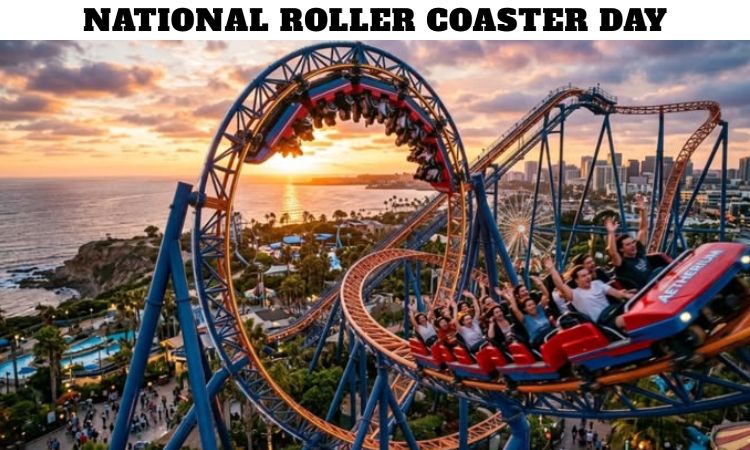
National Roller Coaster Day is celebrated every year on August 16 as a fun occasion dedicated to one of the world’s most exciting amusement park attractions. Roller coasters have become symbols of adventure, excitement, and entertainment, bringing together people who enjoy speed, height, twists, drops, and unforgettable experiences.
For many people, riding a roller coaster is more than simply visiting an amusement park. It is a chance to challenge personal fears, experience a rush of adrenaline, and share an exciting moment with friends or family. National Roller Coaster Day provides the perfect opportunity to appreciate the creativity, engineering, history, and entertainment value behind these remarkable rides.
The day can be celebrated by visiting an amusement park, learning about roller coaster history, watching videos of famous rides, or simply remembering a favorite coaster experience.
When Is National Roller Coaster Day Celebrated?
National Roller Coaster Day is observed annually on August 16. The date gives roller coaster enthusiasts an opportunity to recognize these iconic attractions during the summer season, when amusement parks are especially popular.
August is an ideal month for a roller coaster celebration because many parks are operating at full capacity, and families and friends are looking for exciting activities during vacations and summer breaks.
Although the celebration is primarily associated with the United States, people anywhere in the world can participate. Anyone who enjoys amusement parks, engineering, thrilling rides, or the history of entertainment can find a way to celebrate the occasion.
Why Is National Roller Coaster Day Important?
National Roller Coaster Day is important because roller coasters represent an interesting combination of entertainment, engineering, imagination, and human psychology.
A modern roller coaster may look like a simple amusement ride, but its design requires careful planning. Engineers must consider speed, gravity, acceleration, structural strength, passenger safety, braking systems, and many other factors.
The day also celebrates the emotional experience associated with roller coasters. People may scream during a steep drop, laugh afterward, and immediately want to ride again. For some riders, overcoming the fear of a roller coaster can even create a sense of accomplishment.
National Roller Coaster Day therefore celebrates both the machines themselves and the experiences they create.
How Did Roller Coasters Begin?
The history of roller coasters goes back much further than modern amusement parks. Early versions were inspired by entertainment rides and winter slides in Europe and later developed into more organized attractions.
Some early thrill rides involved wooden structures covered with ice or specially designed tracks. Riders would travel down steep slopes in sled-like vehicles, experiencing speed and excitement.
Over time, designers began developing rides that could operate throughout the year. The concept evolved from simple gravity-powered slides into mechanically controlled amusement rides.
By the nineteenth century, roller coaster-style attractions were becoming increasingly popular. As technology improved, designers experimented with stronger materials, better track systems, improved braking mechanisms, and more sophisticated layouts.
These developments eventually created the roller coasters that people recognize today.
How Do Modern Roller Coasters Work?
Modern roller coasters operate through a combination of gravity, mechanical systems, and carefully engineered track designs.
A coaster train is generally lifted to a high point at the beginning of the ride. This gives the train potential energy. Once it begins descending, gravity converts that potential energy into kinetic energy, allowing the train to accelerate.
The track then guides the train through hills, turns, drops, loops, and other elements. Different coaster designs use different mechanisms to create unique experiences.
Some rides use traditional chain lifts, while others use magnetic or linear launch systems to accelerate trains rapidly from the beginning. Braking systems are positioned strategically throughout the track to control speed and bring the train safely to a stop.
The entire ride is carefully engineered to balance excitement with controlled movement.
What Makes Roller Coasters So Exciting?
Roller coasters are exciting because they combine several sensations at once. Riders may experience speed, height, sudden changes in direction, weightlessness, and acceleration within a few minutes.
One of the most memorable sensations is the feeling of weightlessness. When a coaster travels over certain hills or drops, riders may briefly feel as though they are floating above their seats.
The anticipation before a major drop can also increase excitement. As the train slowly climbs upward, riders know that a fast descent is coming. That anticipation can make the eventual drop feel even more dramatic.
Roller coasters also create a shared experience. Friends and family members can scream, laugh, and react together, making the ride a memorable social activity.
What Are Some Famous Types of Roller Coasters?
There are many different types of roller coasters, and each offers a different riding experience.
- Wooden roller coasters are known for their traditional structure and classic riding sensation. They often have a distinctive combination of speed, hills, and vibrations.
- Steel roller coasters allow designers to create more complex shapes and smoother movements. Many modern coasters feature steel tracks because they offer enormous design flexibility.
- Inverted coasters position riders beneath the track, allowing their legs to hang freely.
- Flying coasters are designed to give passengers the sensation of flying, with riders positioned in a forward-facing or prone orientation depending on the design.
- Launch coasters use powerful systems to accelerate trains rapidly rather than relying entirely on a traditional lift hill.
- Hypercoasters are known for large drops, high speeds, and enormous hills.
- Each type demonstrates how roller coaster technology has evolved to provide different forms of excitement.
What Are Some Interesting Roller Coaster Facts?
Roller coasters have many fascinating facts associated with their history and design.
One interesting fact is that roller coaster designers must carefully calculate forces acting on riders throughout the journey. A ride is not simply built by creating the tallest possible drop. Every curve, hill, transition, and braking zone must work together.
Another fascinating feature is that some modern roller coasters can reach extraordinary speeds and heights. Record-breaking rides have pushed the boundaries of amusement ride engineering by becoming taller, faster, and more complex.
Roller coasters also come in remarkably different shapes. Some contain multiple inversions, while others focus primarily on massive drops and high-speed hills.
Another interesting fact is that not every roller coaster is designed to be extremely fast. Some emphasize storytelling, scenery, family-friendly experiences, or unusual track layouts.
How Can You Celebrate National Roller Coaster Day?
There are plenty of ways to celebrate National Roller Coaster Day, even if you do not have access to an amusement park.
The most obvious option is to visit a theme park and ride a roller coaster. You can make the occasion more memorable by trying a ride you have never experienced before.
If you are not comfortable with intense rides, you can choose a family-friendly coaster or simply watch other people enjoy the attractions.
You can also celebrate by learning about roller coaster history and engineering. Watch documentaries, read about famous rides, or explore how coaster designers create complicated track systems.
Another fun idea is to share your favorite roller coaster memory on social media. Ask friends and family about their favorite rides and compare experiences.
You could also organize a roller coaster-themed movie night, play amusement park games, or create a list of rides you would like to experience someday.
Why Do People Enjoy Being Scared on Roller Coasters?
Roller coasters create a controlled form of fear. Riders know that they are participating in a carefully designed attraction, yet their bodies still react to sudden drops, acceleration, and movement.
This combination of fear and safety can make the experience enjoyable. The body may respond with increased heart rate and heightened alertness, while the brain recognizes that the situation is controlled.
After completing a frightening ride, many people experience a strong sense of excitement and accomplishment. That feeling can encourage them to ride again.
For some people, roller coasters are also a way to challenge themselves. Someone who is nervous about heights, for example, may feel proud after successfully completing a major coaster.
Are Roller Coasters Safe?
Modern roller coasters are designed with numerous safety systems and undergo extensive testing and inspection. Operators follow established procedures intended to keep riders and employees safe.
Safety features can include restraints, seat belts, emergency braking systems, sensors, secure loading procedures, and automated monitoring systems.
However, riders also have an important responsibility. They should follow posted instructions, use restraints correctly, respect height and health restrictions, and remain seated as directed.
It is also important to understand that amusement rides are not suitable for everyone. People should follow the warnings provided by the attraction and avoid rides when they have been advised not to participate.
What Does the Future of Roller Coasters Look Like?
The future of roller coasters is likely to involve even more advanced technology. Designers are continually experimenting with new propulsion systems, track configurations, special effects, and interactive experiences.
Technology can also make rides more immersive. Digital screens, lighting, sound effects, themed environments, and interactive elements can combine physical movement with storytelling.
Some future attractions may use advanced simulation and personalization technologies to create experiences that feel different depending on how riders interact with the attraction.
Despite technological changes, the basic appeal of roller coasters is unlikely to disappear. People will probably continue seeking the same fundamental experience: climbing high, accelerating quickly, feeling weightless, and sharing the excitement with others.
Why Should You Celebrate National Roller Coaster Day?
National Roller Coaster Day is a simple but exciting opportunity to appreciate an attraction that has entertained generations.
Whether you are an enthusiastic coaster fan or someone who prefers watching from the ground, August 16 can be a chance to explore the history and creativity behind roller coasters.
The day reminds us that amusement rides are not just machines. They are carefully designed experiences that combine engineering and entertainment.
So, on August 16, consider visiting a theme park, learning about famous coasters, sharing your favorite ride, or encouraging a friend to try something new. National Roller Coaster Day is ultimately about embracing excitement and enjoying the thrill of the ride.
Frequently Asked Questions (FAQs)
1. When is National Roller Coaster Day?
National Roller Coaster Day is celebrated every year on August 16. It is a day dedicated to appreciating roller coasters, amusement parks, engineering, and the excitement these rides provide.
2. What is National Roller Coaster Day?
National Roller Coaster Day is an annual observance that celebrates roller coasters and their history, technology, entertainment value, and popularity around the world.
3. How can you celebrate National Roller Coaster Day?
You can celebrate by visiting an amusement park, riding a roller coaster, learning about coaster history, watching coaster documentaries, or sharing your favorite roller coaster memories with friends.
4. Why are roller coasters popular?
Roller coasters are popular because they provide excitement through speed, height, drops, turns, acceleration, and temporary feelings of weightlessness in a controlled environment.
5. Are roller coasters safe?
Modern roller coasters are designed with multiple safety systems and are subject to operational procedures and inspections. Riders should always follow safety instructions and posted restrictions.
6. What is the oldest roller coaster?
The history of roller coaster-style attractions includes several early developments, so identifying one single “oldest roller coaster” depends on how the term is defined. Early gravity-powered amusement rides helped inspire the modern coaster.
7. Why do people scream on roller coasters?
People often scream because of excitement, surprise, fear, or the physical sensations created by sudden drops, acceleration, and changes in direction.
8. What are the main types of roller coasters?
Common types include wooden, steel, inverted, flying, launched, family, and hypercoasters. Each type offers a different combination of speed, movement, and design.
9. Can children ride roller coasters?
Children can ride certain roller coasters when they meet the attraction’s requirements. Height, age, and other restrictions vary by ride, so families should always check the specific safety requirements.
10. Why is National Roller Coaster Day celebrated on August 16?
August 16 is recognized as National Roller Coaster Day, providing enthusiasts and amusement park fans with an annual occasion to celebrate the history and excitement of roller coasters.