

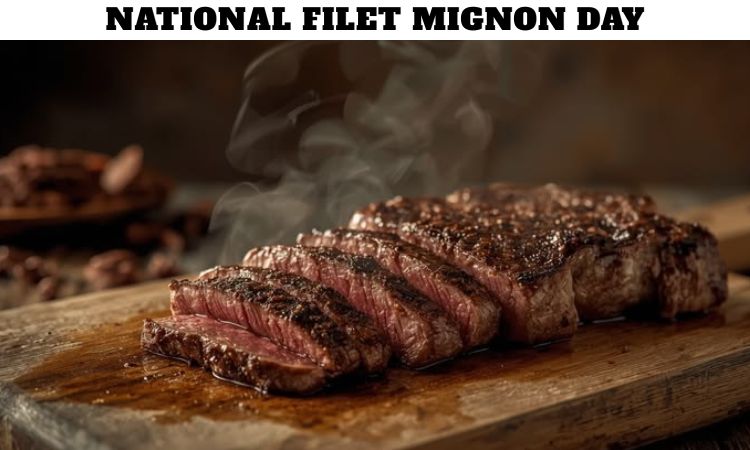
What Is National Filet Mignon Day and Why Do We Celebrate It on August 13?
Every year on August 13, steak lovers across the country mark National Filet Mignon Day, a celebration dedicated to one of the most prized cuts of beef in the culinary world. Whether you’re a home cook who saves filet mignon for special occasions or a steakhouse regular who orders it every chance you get, this day offers the perfect excuse to indulge in a cut renowned for its buttery texture and rich flavor.
Filet mignon isn’t just another steak. It occupies a unique place on the menu, often reserved for anniversaries, promotions, birthdays, and other milestones worth celebrating with something extraordinary. National Filet Mignon Day gives that indulgence its own dedicated spot on the calendar, inviting everyone to treat themselves without needing a special occasion as an excuse.
Where Did Filet Mignon Get Its Name?
The term “filet mignon” comes from French, roughly translating to “dainty” or “delicate fillet.” This name reflects the cut’s defining characteristics: a small, tender portion of meat with a fine-grained texture that practically melts on the tongue. The phrase has been used in culinary contexts since at least the late 19th century, and it has since become synonymous with luxury dining around the world.
Interestingly, in France itself, this same cut of beef is more commonly referred to as “filet de bœuf” or simply “filet.” The specific term “filet mignon” is used more prominently in American English, where it carries strong connotations of fine dining and celebration.
Which Part of the Cow Does Filet Mignon Come From?
Filet mignon is cut from the tenderloin, a long, narrow muscle that runs along the spine of the cow, underneath the ribs. This muscle does very little work during the animal’s life because it isn’t a weight-bearing muscle, which is precisely why the meat turns out so tender. Unlike muscles in the legs or shoulders that get a regular workout, the tenderloin stays soft and lean.
Because the tenderloin is a relatively small muscle, and only the center-cut portion typically qualifies as “filet mignon,” the yield per animal is limited. This scarcity, combined with the labor involved in trimming and preparing the cut, contributes significantly to its higher price point compared to other steaks like ribeye, sirloin, or strip steak.
How Did National Filet Mignon Day Come to Be Recognized?
Like many food-related observances, National Filet Mignon Day doesn’t have a clearly documented origin story tied to a specific organization or founder. It falls into a broader category of unofficial food holidays that have gained popularity through word of mouth, restaurant marketing, and social media over the years.
What is clear is that the date has become widely recognized by steakhouses, butchers, and home cooks alike. Restaurants often use August 13 as an opportunity to run specials, discounts, or prix fixe menus centered around filet mignon, while home cooks treat it as a reason to splurge on a quality cut for a home-cooked celebration. Regardless of its exact origins, the day has carved out a firm place in the calendar of food holidays celebrated throughout the year.
Why Is Filet Mignon Considered So Special Compared to Other Steaks?
Several factors combine to give filet mignon its reputation as the “king of steaks.” First and foremost is tenderness. Because the tenderloin muscle isn’t used for movement or weight-bearing, it lacks the tough connective tissue found in cuts like flank or skirt steak. The result is a texture so soft that a filet mignon can often be cut with a fork.
Second, there’s the matter of scarcity. Each animal yields only a limited amount of true filet mignon, making it a more exclusive cut compared to something like a ribeye, which comes from a larger muscle group. This limited supply plays a direct role in the higher price tag typically attached to filet mignon at both grocery stores and restaurants.
Third, filet mignon has a long-standing cultural association with fine dining. It has appeared on the menus of upscale steakhouses and celebratory dinners for generations, cementing its status as a cut reserved for special moments rather than everyday meals.
It’s worth noting that filet mignon’s tenderness comes with a trade-off: because the muscle contains very little fat marbling compared to cuts like ribeye, it doesn’t carry quite as much natural beefy flavor on its own. This is why chefs often wrap it in bacon, top it with compound butter, or serve it alongside a rich sauce to enhance its taste.
What’s the Best Way to Cook Filet Mignon at Home?
Cooking filet mignon well doesn’t require professional training, but it does call for some attention to technique given the cut’s premium price and delicate texture. Many home cooks and chefs favor a two-step method: searing the steak in a hot pan to develop a flavorful crust, then finishing it in the oven to cook it through evenly without overcooking the exterior.
Here’s a general approach many cooks follow:
- Bring the steak to room temperature before cooking, which helps it cook more evenly.
- Pat the steak dry and season generously with salt and pepper.
- Heat a heavy skillet, such as cast iron, until very hot, then add a high-smoke-point oil.
- Sear the steak for about two to three minutes per side to develop a deep brown crust.
- Transfer the skillet to a preheated oven (around 400°F) to finish cooking to the desired doneness.
- Let the steak rest for five to ten minutes before slicing or serving, which allows the juices to redistribute.
Using a meat thermometer is one of the most reliable ways to hit your preferred doneness. Many people aim for medium-rare, which typically falls around 130–135°F internally, since this range highlights the cut’s tenderness without drying it out.
What Sauces and Sides Pair Well with Filet Mignon?
Because filet mignon has a milder flavor profile than fattier cuts, it pairs beautifully with rich, flavorful accompaniments. Classic pairings include:
- Sauces: Red wine reduction, peppercorn sauce, béarnaise, or a simple garlic herb butter melted over the top.
- Sides: Creamy mashed potatoes, roasted asparagus, sautéed mushrooms, or a wedge salad with blue cheese.
- Wine pairings: Full-bodied red wines such as Cabernet Sauvignon or Bordeaux blends are traditional choices that complement the steak without overwhelming it.
The goal with most pairings is to add depth and richness that the lean tenderloin doesn’t provide on its own, creating a more balanced and satisfying plate.
How Can You Celebrate National Filet Mignon Day?
There’s no single “correct” way to celebrate, but here are a few popular approaches people take on August 13:
- Dine out: Many steakhouses offer specials or promotions specifically for the day, making it a good opportunity to try a new restaurant or revisit a favorite.
- Cook at home: Splurge on a quality cut from a local butcher and try your hand at the sear-and-finish method described above.
- Host a dinner party: Filet mignon’s individual portion size makes it an easy cut to serve to a group without much extra prep work.
- Pair it with a treat: Since the day is about indulgence, pairing the meal with a favorite wine, a decadent dessert, or a special side dish can round out the celebration.
Whether you choose to eat out or cook in, the spirit of the day centers on appreciating a cut of beef that’s often reserved for life’s bigger moments.
Final Thoughts on National Filet Mignon Day
National Filet Mignon Day on August 13 serves as a fitting tribute to one of the most celebrated cuts in the culinary world. From its French-derived name to its origins in the tenderloin muscle, filet mignon carries a story of quality, tenderness, and tradition. Whether you mark the occasion with a reservation at your favorite steakhouse or a carefully seared steak at your own kitchen table, the day offers a simple reminder to slow down and enjoy a truly exceptional meal.
Frequently Asked Questions (FAQs)
1. When is National Filet Mignon Day?
National Filet Mignon Day is observed annually on August 13.
2. What does “filet mignon” mean?
The term comes from French and roughly translates to “dainty” or “delicate fillet,” referring to the cut’s small size and tender texture.
3. What part of the cow does filet mignon come from?
Filet mignon is cut from the tenderloin, a muscle located along the spine that does little work during the animal’s life, resulting in exceptional tenderness.
4. Why is filet mignon so expensive?
Its high price comes from limited yield per animal, since only a small center portion of the tenderloin qualifies, along with the labor involved in trimming and preparing the cut.
5. Is filet mignon the same as tenderloin steak?
Filet mignon specifically refers to the center-cut portion of the tenderloin, while “tenderloin steak” can sometimes refer to the whole muscle or cuts from other sections of it.
6. What is the best cooking method for filet mignon?
A popular method is searing the steak in a hot skillet to develop a crust, then finishing it in the oven to cook it evenly to the desired doneness.
7. What temperature should filet mignon be cooked to for medium-rare?
Most cooks aim for an internal temperature of around 130–135°F for medium-rare, which is a popular doneness for this cut.
8. What sauces go well with filet mignon?
Common pairings include red wine reduction, peppercorn sauce, béarnaise sauce, and garlic herb compound butter.
9. Why does filet mignon have less flavor than other steaks like ribeye?
Because the tenderloin has very little fat marbling compared to more heavily worked muscles, it offers less natural beefy flavor, which is why it’s often paired with rich sauces or wrapped in bacon.
10. How can I celebrate National Filet Mignon Day?
You can celebrate by dining at a steakhouse offering specials, cooking a filet mignon at home, hosting a dinner party, or pairing the meal with a favorite wine or dessert.