
What is National Bakewell Tart Day and Why Do We Celebrate It on August 11?
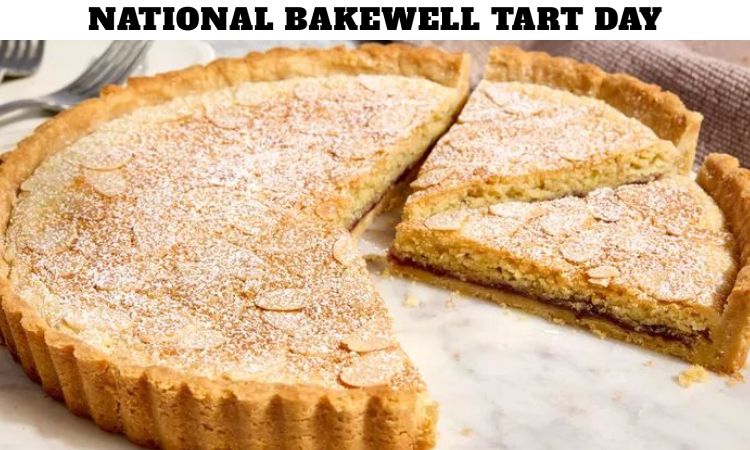
National Bakewell Tart Day, celebrated every year on August 11, is a dedicated tribute to one of the United Kingdom’s most iconic and cherished baked goods. For pastry enthusiasts, home bakers, and history buffs alike, August 11 offers a sweet opportunity to honor the delicate harmony of buttery shortcrust pastry, sweet fruit jam, rich almond frangipane, and a delicate topping of flaked almonds or feathered icing.
While the town of Bakewell in Derbyshire, England, enjoys the tart year-round, National Bakewell Tart Day provides a global platform for food lovers to bake, share, and appreciate the craftsmanship behind this legendary dessert. Celebrating this day is not merely about enjoying a slice of pastry; it is about honoring centuries of culinary evolution, regional pride, and the traditional methods of British baking.
Whether enjoyed alongside a traditional pot of English breakfast tea or served warm with a dollop of clotted cream, August 11 marks an official occasion to celebrate the timeless appeal of the Bakewell tart.
How Did a Kitchen Mistake Create the Original Bakewell Pudding?
The origins of the Bakewell tart stem from a famous culinary mishap in the early 19th century. The story takes place in the picturesque Derbyshire market town of Bakewell, located in the heart of the Peak District.
Around the 1830s, at the local Old Original Bakewell Pudding Shop (then a local inn run by Mrs. Greaves), a cook was instructed to make a strawberry tart. Instead of mixing the egg and almond paste mixture directly into the pastry dough as expected, the cook spread the jam over the bottom of the pastry base and poured the egg and almond custard on top.
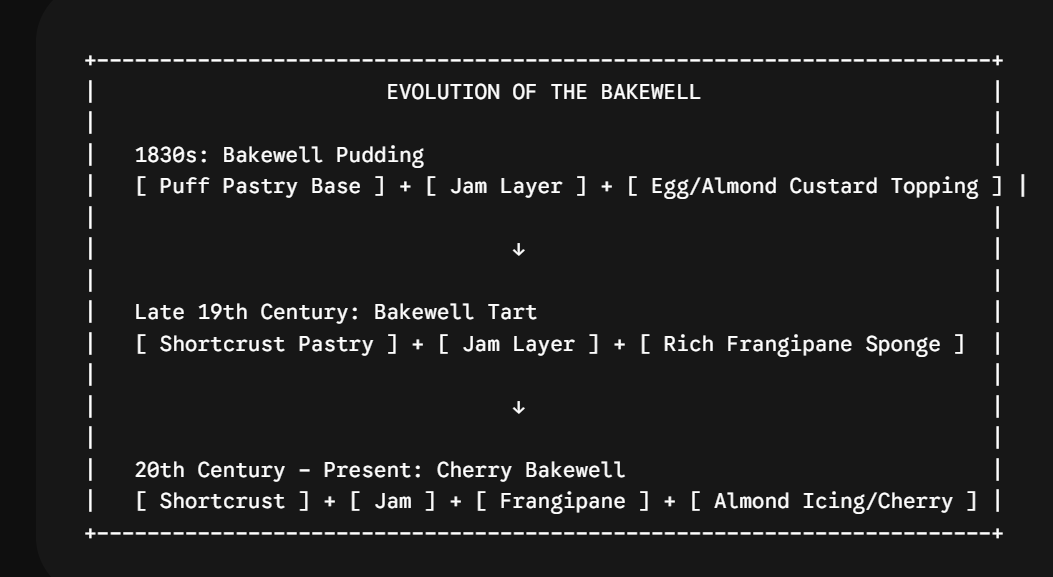
When baked, the egg-almond mixture set into a rich, golden custard layer over the warm jam. Rather than discarding the failed dish, the inn served it to guests, who found it delicious. Word of this unique treat spread rapidly, and the “Bakewell Pudding” was born.
As the decades passed and commercial baking techniques advanced into the late 19th and early 20th centuries, the dessert underwent a structural transformation. The soft, egg-custard filling evolved into a firmer, sponge-like frangipane (a mixture of ground almonds, butter, sugar, and eggs), and the delicate puff pastry base was largely replaced by a sturdy, crisp shortcrust pastry. This refined evolution became known across the globe as the Bakewell Tart.
What Is the Difference Between a Bakewell Pudding and a Bakewell Tart?
Many dessert lovers frequently confuse the Bakewell Pudding with the Bakewell Tart, yet local Derbyshire bakers maintain that the two are distinct creations with unique textural identities and baking methodologies.
Pastry Base: The traditional Bakewell Pudding uses an un-docked, flaky puff pastry base that rises around the edges during baking. In contrast, the Bakewell Tart uses a crisp, blind-baked shortcrust pastry shell that holds a firm, structured shape.
Filling Consistency: The pudding features a egg-rich, custard-like almond filling that remains soft, moist, and slightly gooey beneath the surface. The tart relies on a structured frangipane sponge that bakes into a light, cake-like consistency.
Topping and Finishing: A true Bakewell Pudding is never iced; it is served plain or lightly dusted with powdered sugar. The Bakewell Tart, particularly commercial variations like the “Cherry Bakewell,” often features a layer of white almond icing finished with a half candied glace cherry on top or scattered toasted flaked almonds.
| Characteristic | Traditional Bakewell Pudding | Classic Bakewell Tart |
| Pastry Type | Puff / Flaky Pastry | Shortcrust Pastry |
| Almond Layer | Egg & Almond Egg-Custard | Frangipane (Almond Sponge) |
| Texture | Soft, Custardy, Gooey | Firm, Cake-like, Structured |
| Topping | Plain or Light Dusting | Flaked Almonds or Fondant Icing & Cherry |
| Origin Era | Circa 1830s | Late 19th / Early 20th Century |
What Ingredients Make an Authentic Bakewell Tart?
Creating an authentic Bakewell tart requires a balanced combination of pantry staples and almond flavorings. The harmony between sweet jam, nutty frangipane, and buttery crust depends heavily on ingredient quality.
Sweet Shortcrust Pastry: High-fat European-style butter, plain flour, a pinch of salt, iced water, and a touch of caster sugar ensure a tender, melt-in-the-mouth crust that retains its structure under moist fillings.
Raspberry or Seedless Jam: Traditionalists prefer a rich raspberry jam with a tart finish to cut through the sweetness of the almond frangipane. Seedless plum or strawberry jam is occasionally used, but high-fruit raspberry jam remains the benchmark standard.
Ground Almonds (Almond Meal): Ground almonds form the structural backbone of the frangipane, supplying moisture, texture, and natural oils that keep the sponge soft for days.
Pure Almond Extract: A subtle splash of pure almond extract enhances the natural nutty aroma without overpowering the buttery notes of the sponge.
Flaked Almonds: Toasted sliced almonds scattered across the top before baking add an essential crunch that contrasts with the soft frangipane filling.
How Can You Bake the Perfect Bakewell Tart at Home?
Baking a Bakewell tart from scratch requires attention to temperature control and layering technique to prevent the dreaded “soggy bottom.”
Prepare and Chill the Pastry: Roll out sweet shortcrust pastry to a thickness of roughly 3mm and line a fluted tart tin with a removable bottom. Chill in the refrigerator for at least 30 minutes to relax the gluten and reduce shrinkage during baking.
Blind Bake for Crispness: Line the pastry case with parchment paper, fill with baking weights or dried beans, and bake at 190°C (375°F) for 15 minutes. Remove the weights and bake for an additional 5 minutes until pale golden.
Apply the Fruit Layer: Spread a generous, even layer of high-quality seedless raspberry jam across the base of the warm pastry shell. Avoid applying too thick a layer, as excess moisture can destabilize the frangipane.
Whip the Frangipane: Cream equal parts softened unsalted butter and caster sugar together until pale and fluffy. Gradually beat in eggs, then gently fold in ground almonds, a tablespoon of flour, and a dash of almond extract.
Assemble and Bake: Smooth the frangipane evenly over the jam layer, scatter flaked almonds generously across the top, and bake at 180°C (350°F) for 30 to 35 minutes until golden brown and firm to the touch.
How Do Bakery Lovers Celebrate National Bakewell Tart Day Around the World?
National Bakewell Tart Day on August 11 inspires creative culinary celebrations among professional bakers, home cooks, and food enthusiasts across different continents.
Host a Traditional Afternoon Tea: Gathering friends and family for an authentic British afternoon tea featuring homemade Bakewell tarts, finger sandwiches, and fresh scones is a popular way to mark the holiday.
Bake-Off Competitions: Community centers, workplaces, and online baking groups organize friendly baking challenges where participants judge tarts based on crust crispness, jam distribution, and frangipane texture.
Support Local Artisan Bakeries: Many lovers of British pastry take the opportunity on August 11 to visit local independent bakeries and sample artisanal interpretations of classic tarts.
Virtual Baking Workshops: Master pastry chefs stream live baking classes on August 11, teaching international audiences the mechanics of shortcrust pastry, blind baking, and frangipane emulsion.
What Are the Best Flavors and Modern Variations of the Classic Tart?
While the classic raspberry-almond combination remains untouchable, contemporary pastry chefs regularly introduce creative variations that breathe new life into the traditional recipe.
Cherry Bakewell: The most widespread commercial variation features an icing sugar fondant top, a feathered chocolate design, and a bright glace cherry centered on each individual tartlet.
Chocolate & Hazelnut Bakewell: Cocoa powder is folded into the shortcrust pastry, while hazelnut meal replaces ground almonds in the frangipane, creating a Nutella-inspired profile paired with dark cherry jam.
Lemon & Blueberry Bakewell: Tangy lemon curd replaces the traditional raspberry jam, complemented by fresh blueberries folded directly into the almond sponge layer for a bright, citrusy summer flavor profile.
Vegan & Gluten-Free Bakewell: Modern plant-based alternatives utilize coconut oil or vegan block butter for the crust and aquafaba (chickpea water) to bind the ground almond frangipane, ensuring dietary inclusivity without sacrificing flavor.
What Do Culinary Experts Say About Storing and Serving Bakewell Tarts?
Proper storage and serving techniques ensure that a Bakewell tart maintains its signature structural integrity and flavor balance long after leaving the oven.
Serving Temperature: A Bakewell tart is best served slightly warm or at room temperature. Allowing the tart to rest after baking lets the frangipane settle and amplifies the rich almond oils.
Accompaniments: Pair a slice with cold clotted cream, light crème fraîche, or vanilla bean custard. The tartness of crème fraîche helps cut through the sweetness of the jam and icing.
Room Temperature Storage: Store the finished tart in an airtight container at room temperature for up to 3 days. Avoid refrigerating iced tarts, as humidity causes the sugar icing to weep and turn sticky.
Freezing Guidelines: Un-iced Bakewell tarts freeze exceptionally well. Wrap the completely cooled tart tightly in plastic wrap and aluminum foil, then freeze for up to 3 months. Thaw overnight at room temperature before warming gently in the oven.
Why Has the Bakewell Tart Remained an Enduring Icon of British Baking Culture?
The Bakewell tart’s lasting popularity across centuries stems from its structural simplicity and flavor profile. It achieves a balance of contrast: the crunch of toasted nuts versus soft sponge, the sweetness of almond frangipane versus tart fruit jam, and the firm crumb of baked shortcrust against smooth topping.
Beyond its sensory merits, the tart evokes a sense of comfort, heritage, and nostalgia. It bridges the gap between humble home baking and refined pastry craftsmanship. As National Bakewell Tart Day rolls around each August 11, this humble Derbyshire invention continues to prove that accidental culinary creations can mature into timeless cultural treasures enjoyed across generations.