

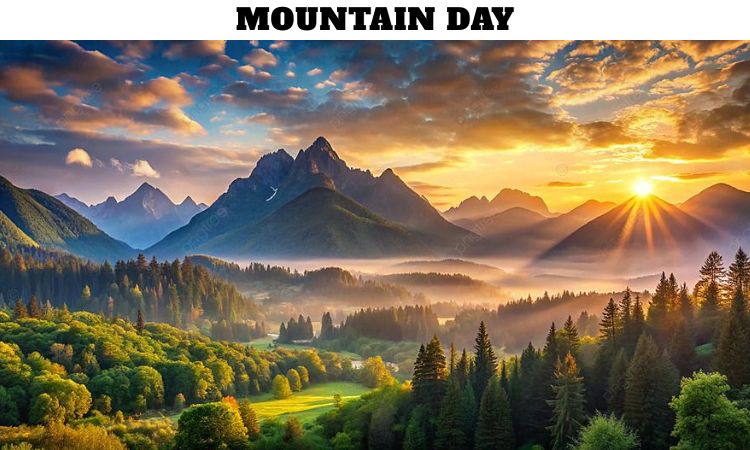
What Is Mountain Day and Why Is It Celebrated on August 11?
Mountain Day is observed on August 11 as a day to appreciate mountains, their natural beauty, cultural importance, and contribution to the environment. Mountains are among the most remarkable features of the natural world. They provide habitats for wildlife, support forests and rivers, influence weather patterns, and offer people opportunities for hiking, climbing, camping, and exploration.
For many people, mountains represent adventure and freedom. For others, they are sacred landscapes connected to religion, history, and local traditions. Mountain Day provides an opportunity to recognize all these connections while also encouraging greater awareness of the need to protect mountain ecosystems.
Mountains cover a significant portion of the Earth’s land surface and are home to millions of people and countless plant and animal species. They also play an important role in supplying freshwater to communities far beyond the mountain regions themselves.
Whether you enjoy visiting mountain destinations, photographing landscapes, hiking scenic trails, or simply admiring mountains from a distance, August 11 is a good occasion to celebrate these extraordinary natural formations.
Why Is Mountain Day Celebrated on August 11?
August 11 is associated with Mountain Day as an occasion to celebrate mountains and encourage appreciation of their beauty and importance. The date is particularly significant in Japan, where Mountain Day, known as Yama no Hi, is a national holiday celebrated on August 11.
Japan introduced Mountain Day as a national holiday to give people an opportunity to become familiar with mountains and appreciate their benefits. The holiday was officially established in 2014 and was first observed as a national holiday in 2016.
Japan is a mountainous country, with mountains forming a major part of its landscape. The country’s mountains have influenced its culture, traditions, agriculture, tourism, and spiritual life for centuries.
The idea behind Mountain Day extends beyond simply enjoying a day in the mountains. It encourages people to recognize the valuable role mountains play in human life and the natural environment.
What Is the History of Mountain Day?
The history of Mountain Day in Japan is relatively recent compared with many traditional holidays. The movement to establish a dedicated mountain holiday gained support from people who wanted greater recognition of Japan’s mountain environment.
The Japanese government officially recognized Mountain Day as a national holiday in 2014. The first official Mountain Day holiday was celebrated on August 11, 2016.
The selection of August 11 was connected to the country’s strong relationship with its mountainous landscape. The holiday was created to provide people with an opportunity to spend time in nature and develop a deeper appreciation for mountains.
Mountain Day became the second national holiday in Japan specifically connected to the natural environment, following Marine Day, which celebrates the country’s relationship with the sea.
Today, Mountain Day is an opportunity for people to travel, hike, enjoy nature, participate in outdoor activities, and reflect on the importance of preserving mountain environments.
Why Are Mountains Important to the Environment?
Mountains are extremely important to Earth’s ecosystems. They influence climate, provide habitats, store water, and support biodiversity.
One of the most important functions of mountains is their role in freshwater supply. Snow and ice stored in high-altitude regions gradually melt and contribute to rivers and streams. These water sources can provide drinking water, irrigation, and water for industries and communities.
Mountains are also home to many species that cannot survive in other environments. Because mountain regions often contain different elevations and climates, they can support a wide range of plants and animals.
Forests found on mountain slopes can help prevent soil erosion and reduce the risk of landslides. They also absorb carbon dioxide and contribute to climate regulation.
Mountains can even influence weather patterns. Their height and shape affect air movement and precipitation, creating different climates on different sides of a mountain range.
How Do Mountains Support Human Life?
Millions of people live in mountain regions around the world. These communities often depend on mountains for agriculture, livestock, forestry, tourism, and natural resources.
Mountain regions can provide fertile valleys and grazing land for animals. Many communities have developed unique farming techniques that allow them to grow crops in challenging environments.
Mountains also provide resources such as timber, minerals, medicinal plants, and freshwater.
Tourism is another major source of income in many mountain areas. Popular destinations attract visitors interested in hiking, skiing, mountaineering, sightseeing, photography, and cultural experiences.
Mountain communities have also developed distinctive languages, traditions, foods, clothing, architecture, and festivals. Protecting mountains therefore means protecting not only natural ecosystems but also important cultural heritage.
What Are Some Famous Mountains Around the World?
The world is home to thousands of impressive mountains and mountain ranges. Some are famous because of their extraordinary height, while others are important for their cultural or spiritual significance.
Mount Everest is the highest mountain above sea level and is located in the Himalayas on the border between Nepal and the Tibet Autonomous Region of China.
Mount Fuji in Japan is one of the country’s most recognizable landmarks. Its distinctive shape has inspired artists, photographers, writers, and travelers for generations.
K2, located in the Karakoram range, is the second-highest mountain in the world and is known for its challenging climbing conditions.
The Andes stretch along the western side of South America and form one of the world’s longest mountain ranges.
The Rocky Mountains extend through parts of Canada and the United States and are famous for dramatic landscapes, forests, lakes, and wildlife.
The Alps in Europe are another famous mountain system, attracting visitors for skiing, hiking, climbing, and sightseeing.
How Can You Celebrate Mountain Day?
There are many simple ways to celebrate Mountain Day on August 11. You do not necessarily need to climb a mountain to participate.
If you live near a mountain or hill, you could plan a day trip and enjoy the natural surroundings. Hiking is another excellent way to experience mountain landscapes while getting physical exercise.
Photography enthusiasts can spend the day capturing mountain views, wildlife, forests, clouds, and sunrise or sunset landscapes.
You can also celebrate Mountain Day by watching documentaries about mountains, reading books about mountaineering, or learning about famous mountain explorers.
Another meaningful option is to participate in a local environmental activity. Planting trees, reducing plastic waste, cleaning natural areas, and supporting conservation projects can help protect mountain ecosystems.
If you are celebrating at home, you could prepare food inspired by a mountain region, watch a nature documentary, or share interesting mountain facts with friends and family.
What Activities Can You Do on Mountain Day?
Mountain Day can be celebrated through a variety of outdoor and educational activities.
Some popular ideas include:
- Going hiking or trekking
- Visiting a nearby hill station
- Taking mountain photographs
- Planning a camping trip
- Watching a mountain documentary
- Learning about mountain wildlife
- Reading about famous mountaineers
- Drawing or painting mountain landscapes
- Organizing a nature cleanup
- Planting trees
- Learning about climate change and mountain ecosystems
- Sharing mountain photographs on social media
- Exploring local mountain traditions and cuisine
Safety should always come first when participating in outdoor activities. Hikers should check weather conditions, carry sufficient water, wear appropriate clothing and footwear, and follow local trail guidelines.
Why Should We Protect Mountain Ecosystems?
Mountain environments are vulnerable to several threats, including climate change, deforestation, pollution, unsustainable tourism, mining, and habitat destruction.
Climate change is particularly important because rising temperatures can affect glaciers, snow cover, water supplies, and mountain wildlife.
Changes in mountain ecosystems can have consequences far beyond the mountains themselves. Communities downstream may depend on mountain rivers for drinking water, agriculture, and energy.
Responsible tourism can help reduce environmental damage. Visitors should avoid littering, stay on designated trails, respect wildlife, minimize plastic use, and follow local conservation rules.
Protecting mountains is not only about preserving beautiful landscapes. It is also about protecting water resources, biodiversity, communities, and future generations.
What Are Some Interesting Facts About Mountains?
- Mountains are full of fascinating geographical and environmental features.
- Mount Everest is the highest mountain above sea level, while Mauna Kea in Hawaii is much taller when measured from its underwater base to its summit.
- Mountain environments can change dramatically with altitude. A short vertical distance can contain several different climate zones.
- Mountains are found on every continent, including Antarctica.
- Many major rivers originate in or around mountain regions.
- Mountain plants and animals often develop special adaptations to survive cold temperatures, strong winds, low oxygen levels, and limited food supplies.
- Some mountains are also considered sacred. Mount Fuji, the Himalayas, Mount Kailash, and numerous other peaks have deep religious and cultural significance.
How Can Mountain Day Inspire Environmental Awareness?
Mountain Day can serve as a reminder that nature is interconnected. The health of mountain ecosystems affects water, agriculture, wildlife, climate, and human communities.
Celebrating the day should therefore go beyond appreciating beautiful scenery. It can also encourage people to think about how their everyday actions affect the environment.
Reducing waste, conserving water, supporting responsible tourism, protecting forests, and learning about climate change are small steps that can contribute to environmental conservation.
For children and young people, Mountain Day can also be an educational opportunity. Schools can organize geography lessons, mountain-themed art activities, quizzes, presentations, and nature projects.
Why Does Mountain Day Matter Today?
Mountain Day is especially relevant today because mountain ecosystems face increasing environmental pressures. At the same time, millions of people continue to depend on mountain landscapes for water, food, income, and cultural traditions.
August 11 provides a chance to slow down and recognize the value of these extraordinary places. It encourages people to appreciate mountains not merely as tourist attractions but as essential components of Earth’s natural systems.
Whether you celebrate by hiking a trail, watching a documentary, learning about mountain cultures, or simply appreciating a beautiful landscape, Mountain Day offers a meaningful opportunity to connect with nature.
As August 11 arrives, take a moment to think about the mountains around the world and the role they play in supporting life. Protecting them today can help ensure that their beauty, resources, and biodiversity remain available for generations to come.
Frequently Asked Questions (FAQs)
1. When is Mountain Day celebrated?
Mountain Day is celebrated on August 11. In Japan, Mountain Day is an official national holiday dedicated to appreciating mountains and recognizing their importance.
2. What is the purpose of Mountain Day?
The purpose of Mountain Day is to encourage people to appreciate mountains, understand their environmental and cultural importance, and spend time connecting with nature.
3. Is Mountain Day a national holiday?
Yes. Mountain Day is a national holiday in Japan. It was officially established in 2014 and was first celebrated as a national holiday in 2016.
4. Why was August 11 chosen for Mountain Day?
August 11 was selected as the date for Japan’s Mountain Day because of the country’s strong cultural and geographical relationship with mountains.
5. How can people celebrate Mountain Day?
People can celebrate Mountain Day by hiking, trekking, camping, photographing mountains, visiting nature areas, learning about mountain ecosystems, or participating in environmental activities.
6. Why are mountains important?
Mountains provide freshwater, support biodiversity, influence weather and climate, provide natural resources, and support millions of people through agriculture, tourism, and other activities.
7. What is Japan’s Mountain Day called?
Japan’s Mountain Day is called Yama no Hi, which translates to Mountain Day.
8. What is the highest mountain in the world?
Mount Everest is the highest mountain above sea level, reaching approximately 8,849 meters above sea level.
9. How can we protect mountain environments?
People can help protect mountain environments by reducing waste, avoiding pollution, respecting wildlife, staying on designated trails, conserving resources, and supporting responsible tourism and conservation.
10. Can Mountain Day be celebrated at home?
Yes. People can celebrate at home by watching mountain documentaries, reading about famous mountains, learning about mountain wildlife, creating mountain-themed artwork, or sharing educational information with others.