

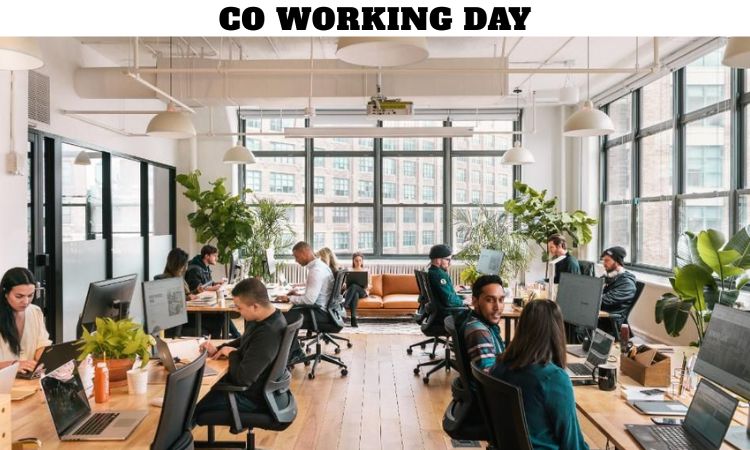
What Is Co Working Day and Why Is It Celebrated on August 9?
Co Working Day, celebrated every year on August 9, recognizes the growing importance of coworking spaces and the collaborative work culture they promote. As work environments continue to evolve, more professionals are moving away from traditional office settings and embracing flexible workplaces that encourage creativity, networking, and productivity. Co Working Day highlights the value of working together while maintaining independence, making it an ideal occasion for freelancers, entrepreneurs, remote employees, startups, and digital nomads to appreciate the communities that help them thrive.
Coworking spaces have transformed the modern workplace by providing shared environments where individuals from different industries work side by side. Unlike conventional offices, coworking spaces encourage collaboration, idea-sharing, and innovation without requiring people to belong to the same company. This unique atmosphere has made coworking one of the most significant workplace trends of the past decade.
The celebration also acknowledges the people who build and manage coworking communities. From workspace operators to community managers, these individuals create environments where professionals can focus on their goals while connecting with others who inspire new ideas and business opportunities.
As hybrid work models become increasingly common across the world, Co Working Day reminds everyone that productive work is not limited to corporate offices. It celebrates flexibility, community, creativity, and the future of work itself.
How Did Co Working Day Begin?
The concept of coworking emerged in the early 2000s as independent professionals searched for alternatives to working alone from home or spending long hours in coffee shops. While freelancers appreciated the flexibility of remote work, many struggled with isolation, limited networking opportunities, and distractions.
The coworking movement addressed these challenges by creating shared workspaces where individuals could rent desks or offices while benefiting from a professional environment and an active community. These spaces quickly became popular among startups, consultants, writers, designers, developers, marketers, and remote employees.
As coworking expanded globally, communities began celebrating Co Working Day on August 9 to recognize the positive impact these spaces have on businesses and professionals alike. The day also raises awareness about the benefits of collaboration and encourages more people to explore flexible working arrangements.
Today, thousands of coworking spaces operate worldwide, serving millions of professionals. From large metropolitan cities to smaller towns, coworking has become an essential part of the modern economy.
Why Is Co Working Day Important in Today’s Workplace?
The nature of work has changed dramatically over the last several years. Technology has enabled employees to work from virtually anywhere with an internet connection, allowing organizations to adopt remote and hybrid work models.
Co Working Day celebrates this transformation by emphasizing that productivity depends more on environment, collaboration, and flexibility than on fixed office locations. Shared workspaces provide professionals with high-speed internet, meeting rooms, comfortable workstations, networking events, educational workshops, and supportive communities.
For entrepreneurs, coworking spaces reduce operational costs while offering access to premium office facilities. Instead of investing heavily in office infrastructure, startups can focus on growing their businesses while enjoying professional work environments.
For freelancers, coworking helps overcome loneliness and creates opportunities to collaborate with clients and fellow professionals. Many long-term partnerships, creative projects, and successful businesses have originated through casual conversations in coworking communities.
The celebration also reflects changing employee expectations. Modern professionals increasingly value work-life balance, flexibility, autonomy, and meaningful workplace relationships, all of which coworking environments naturally encourage.
What Are the Benefits of Working in a Coworking Space?
One of the biggest advantages of coworking is increased productivity. Dedicated workspaces eliminate many distractions commonly found at home while offering comfortable environments specifically designed for focused work.
Networking opportunities represent another significant benefit. Since professionals from various industries work in the same location, members often exchange ideas, share expertise, and discover new business opportunities through informal interactions.
Coworking also encourages creativity. Being surrounded by ambitious individuals with different backgrounds exposes people to fresh perspectives and innovative thinking. Creative professionals frequently find inspiration simply by observing how others solve problems.
Cost efficiency makes coworking particularly attractive for startups and independent workers. Rather than signing expensive long-term office leases, members can choose flexible membership plans that fit their needs and budgets.
Professional development opportunities are another advantage. Many coworking spaces organize workshops, seminars, mentoring sessions, guest speaker events, and networking meetups that help members expand both their knowledge and professional connections.
Work-life balance also improves because coworking creates clear separation between work and personal life. Professionals can leave work behind when they return home instead of constantly mixing business and personal responsibilities.
How Has Remote Work Increased the Popularity of Coworking?
The rise of remote work has significantly expanded demand for coworking spaces. Many employees enjoy working remotely but occasionally seek professional environments for improved concentration, collaboration, or client meetings.
Hybrid work arrangements have become particularly compatible with coworking memberships. Employees who only need office space a few days each week can use coworking facilities without commuting daily to company headquarters.
Large organizations have also begun partnering with coworking providers to give distributed employees flexible work locations closer to home. This approach reduces commuting time while maintaining access to professional work environments.
Digital nomads have become another important part of the coworking community. Individuals who travel while working remotely rely on coworking spaces for reliable internet access, business facilities, and opportunities to connect with local professionals.
The COVID-19 pandemic accelerated many of these workplace trends, permanently changing how businesses think about office space. Today, coworking plays an increasingly important role in supporting flexible employment models across industries.
Who Can Benefit Most from Coworking Spaces?
Coworking spaces serve a remarkably diverse range of professionals. Freelancers benefit from structured work environments and opportunities to meet potential clients and collaborators.
Startup founders appreciate affordable office solutions that allow businesses to scale without major infrastructure investments. Many startups have grown from single desks in coworking spaces into successful companies.
Remote employees use coworking memberships to reduce isolation while enjoying professional facilities unavailable at home. They can participate in virtual meetings without interruptions and maintain healthier work routines.
Consultants and independent professionals often meet clients in coworking conference rooms, presenting a more professional image than public meeting places.
Students, researchers, writers, artists, nonprofit organizations, and small business owners also benefit from flexible workspaces that encourage creativity and productivity.
Even larger corporations increasingly use coworking facilities for project teams, satellite offices, and temporary workspaces in different cities.
How Can You Celebrate Co Working Day?
Celebrating Co Working Day can be both enjoyable and productive. If you already belong to a coworking space, spend time connecting with members you haven’t met before. Conversations with professionals outside your field often lead to valuable insights and unexpected collaborations.
People who have never experienced coworking can use August 9 as an opportunity to visit a nearby shared workspace. Many coworking providers offer free trial days or guided tours that introduce visitors to their communities and facilities.
Businesses can organize networking breakfasts, workshops, panel discussions, or mentoring sessions that bring professionals together. Such events strengthen local business communities while encouraging collaboration.
Employers can recognize remote employees by offering coworking memberships as workplace benefits. This gesture supports employee well-being while improving productivity and engagement.
Individuals can also celebrate by sharing success stories about collaborations, partnerships, or friendships developed through coworking communities, inspiring others to explore similar opportunities.
Why Does Collaboration Matter More Than Ever?
Modern challenges often require diverse perspectives and multidisciplinary solutions. Collaboration enables individuals with different experiences and skills to solve problems more effectively than working alone.
Coworking environments naturally encourage spontaneous interactions that spark innovation. A casual conversation over coffee may lead to a new business partnership, marketing strategy, software solution, or creative project.
Knowledge sharing also accelerates personal growth. Professionals regularly exchange advice about technology, marketing, finance, productivity, legal matters, and entrepreneurship, helping everyone improve their skills.
Community support represents another important aspect of coworking culture. Entrepreneurs facing challenges often receive encouragement and practical guidance from fellow members who have overcome similar obstacles.
In an increasingly digital world, face-to-face human interaction remains essential for building trust, strengthening relationships, and fostering creativity.
What Does the Future Hold for Coworking?
The future of coworking appears exceptionally promising as organizations continue embracing flexible work arrangements. Demand for adaptable office solutions is expected to increase as businesses seek cost-effective alternatives to permanent office leases.
Technology will continue enhancing coworking experiences through smart booking systems, advanced security, virtual collaboration tools, and AI-powered workspace management.
Specialized coworking spaces are also becoming more common. Some facilities focus specifically on technology startups, creative industries, healthcare professionals, legal services, or women entrepreneurs, providing tailored resources and networking opportunities.
Sustainability will likely become another major focus. Environmentally responsible coworking spaces increasingly incorporate energy-efficient designs, recycling programs, renewable energy sources, and eco-friendly building materials.
Global coworking networks will continue making it easier for professionals to work seamlessly across multiple cities and countries while maintaining consistent access to professional facilities.
As workplace expectations continue evolving, coworking will remain an important part of creating flexible, collaborative, and innovative work environments.
Why Should Everyone Recognize Co Working Day?
Co Working Day is much more than a celebration of shared office spaces. It recognizes a workplace philosophy centered on collaboration, flexibility, innovation, and community. The day reminds professionals that success often grows through meaningful relationships, shared knowledge, and supportive environments rather than isolated effort.
Whether someone works independently, manages a startup, leads a remote team, or operates a large organization, coworking offers valuable opportunities to increase productivity, expand professional networks, and discover new ideas. As the future of work continues evolving, coworking spaces will play an increasingly significant role in helping people connect, collaborate, and achieve their goals.
Celebrating Co Working Day on August 9 encourages individuals and organizations alike to embrace modern work practices that prioritize flexibility, creativity, and community. By supporting collaborative work environments, professionals can build stronger businesses, healthier careers, and more connected communities for years to come.
Frequently Asked Questions (FAQs)
1. When is Co Working Day celebrated?
Co Working Day is celebrated annually on August 9.
2. What is the purpose of Co Working Day?
The day celebrates coworking spaces and promotes collaboration, flexibility, networking, and innovation in modern workplaces.
3. Who can use a coworking space?
Freelancers, entrepreneurs, startups, remote employees, consultants, students, and small businesses can all benefit from coworking spaces.
4. What are the main benefits of coworking?
Coworking offers networking opportunities, improved productivity, professional facilities, flexibility, cost savings, and community support.
5. Is coworking only for freelancers?
No. Many corporations, remote employees, startups, and nonprofit organizations also use coworking spaces.
6. How is coworking different from a traditional office?
Coworking spaces provide flexible memberships, shared resources, and opportunities to collaborate with professionals from different industries.
7. Why has coworking become more popular?
The rise of remote work, hybrid work models, and entrepreneurship has significantly increased demand for coworking spaces.
8. How can I celebrate Co Working Day?
You can visit a coworking space, attend networking events, connect with other professionals, or participate in collaborative workshops.
9. Are coworking spaces suitable for startups?
Yes. They offer affordable office solutions, professional meeting rooms, networking opportunities, and flexible membership plans.
10. Why is collaboration important in coworking spaces?
Collaboration encourages knowledge sharing, creativity, business growth, innovation, and stronger professional relationships.