

What Is World Snorkeling Day?
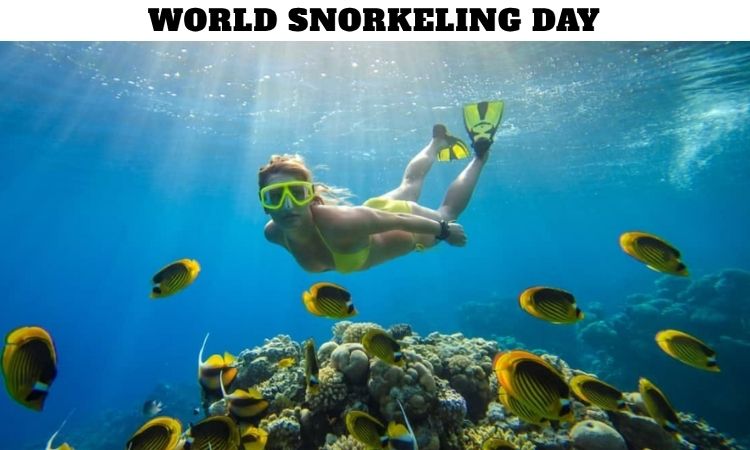
World Snorkeling Day is celebrated every year on July 30 to encourage people to discover the incredible underwater world through snorkeling. This special day promotes ocean exploration, marine conservation, and appreciation for the diverse ecosystems that exist beneath the surface of the sea. Snorkeling is one of the easiest and most accessible water activities, allowing people of all ages to experience colorful coral reefs, tropical fish, sea turtles, and other fascinating marine life without the need for extensive diving equipment or professional certification.
The celebration is not just about recreation. It also serves as a reminder of the importance of protecting oceans and preserving marine biodiversity for future generations. Around the world, diving centers, marine parks, conservation organizations, and beach communities organize snorkeling events, educational programs, underwater clean-up campaigns, and awareness activities to mark the occasion. Whether someone is a beginner or an experienced snorkeler, World Snorkeling Day provides an opportunity to reconnect with nature and appreciate the beauty hidden beneath the waves.
Why Is World Snorkeling Day Celebrated?
World Snorkeling Day was established to inspire more people to experience the wonders of marine environments while promoting responsible ocean tourism. Oceans cover more than 70 percent of the Earth’s surface and are home to millions of species, yet many people never get the opportunity to witness this extraordinary underwater world firsthand.
Snorkeling provides a simple and affordable way to explore marine habitats without requiring extensive training. By introducing people to coral reefs, seagrass meadows, and coastal ecosystems, the celebration encourages greater respect for marine conservation. People who experience healthy coral reefs often become stronger supporters of environmental protection efforts, making snorkeling an effective tool for raising awareness about climate change, pollution, and habitat preservation.
The day also highlights the importance of sustainable tourism practices that protect delicate underwater ecosystems while allowing visitors to enjoy their natural beauty responsibly.
How Did World Snorkeling Day Begin?
World Snorkeling Day is a relatively modern observance created to promote snorkeling as both a recreational activity and a means of fostering appreciation for ocean conservation. As marine tourism became increasingly popular, organizations recognized the need for a dedicated day that would celebrate underwater exploration while educating people about protecting marine habitats.
Since its introduction, snorkeling clubs, tourism boards, environmental groups, and diving communities have embraced the occasion by organizing guided snorkeling tours, educational workshops, marine life presentations, and conservation campaigns. Social media has also played a role in expanding awareness, inspiring travelers to share their underwater experiences and encourage responsible exploration of the world’s oceans.
Although the day continues to evolve, its core message remains centered on enjoying the ocean while ensuring its ecosystems remain healthy for future generations.
Why Is Snorkeling So Popular Around the World?
Snorkeling has become one of the world’s most popular water sports because it combines adventure, relaxation, education, and accessibility. Unlike scuba diving, snorkeling requires only basic equipment, making it suitable for beginners and families.
People enjoy snorkeling because it allows them to float comfortably on the water’s surface while observing marine life in its natural habitat. Tropical destinations featuring crystal-clear waters attract millions of snorkelers each year, offering unforgettable encounters with colorful fish, coral reefs, rays, dolphins, and sea turtles.
The activity also appeals to travelers seeking eco-friendly experiences. Instead of disturbing marine environments, responsible snorkeling emphasizes observing wildlife from a respectful distance while avoiding contact with coral reefs or marine animals.
Many vacation destinations now include snorkeling excursions as a major attraction because they introduce visitors to local marine ecosystems while supporting sustainable tourism.
What Equipment Is Needed for Snorkeling?
One of the biggest advantages of snorkeling is its simplicity. The essential equipment consists of a mask, snorkel, and fins. A properly fitted mask allows clear underwater vision while preventing water from entering. The snorkel enables breathing while floating face-down on the water’s surface, eliminating the need to raise the head frequently.
Fins improve swimming efficiency by allowing snorkelers to move smoothly through the water with less effort. Depending on water temperature, some participants wear wetsuits or rash guards for additional warmth and sun protection.
Life jackets or flotation devices are recommended for beginners or weak swimmers. Waterproof cameras have also become popular accessories, allowing snorkelers to capture stunning underwater photographs without disturbing marine life.
High-quality equipment improves comfort, visibility, and overall safety, making the experience more enjoyable for both first-time and experienced snorkelers.
What Are the Benefits of Snorkeling?
Snorkeling offers numerous physical, mental, and environmental benefits. Physically, it provides a full-body workout by engaging the legs, core, shoulders, and cardiovascular system. Swimming gently through the water helps improve endurance, flexibility, and muscle strength while placing minimal stress on joints.
Mentally, snorkeling promotes relaxation and reduces stress. The peaceful underwater environment allows participants to disconnect from everyday pressures and immerse themselves in nature. Many people describe snorkeling as a calming and meditative experience due to the rhythmic breathing and tranquil surroundings.
Educationally, snorkeling introduces participants to marine biology, coral reef ecosystems, and ocean conservation. Observing marine creatures in their natural habitats often inspires curiosity and a greater appreciation for environmental protection.
Additionally, snorkeling encourages family bonding, outdoor recreation, and healthy lifestyles while creating unforgettable travel memories.
How Can You Celebrate World Snorkeling Day?
There are countless ways to celebrate World Snorkeling Day regardless of experience level. If you live near the coast, consider joining a guided snorkeling excursion to explore local reefs, lagoons, or marine reserves. Beginners can enroll in introductory snorkeling lessons offered by certified instructors.
Many communities organize underwater cleanup events where volunteers collect marine debris while learning about ocean conservation. Participating in these initiatives combines recreation with meaningful environmental action.
If traveling is not possible, celebrating can still involve watching marine documentaries, visiting aquariums, learning about coral reef conservation, reading books on marine biology, or supporting organizations dedicated to ocean preservation.
Families can use the occasion to teach children about marine ecosystems, endangered species, and responsible environmental stewardship. Sharing educational content and encouraging sustainable travel choices also contributes to the purpose of the day.
What Safety Tips Should Every Snorkeler Follow?
Safety should always be a priority during snorkeling activities. Participants should never snorkel alone and should always choose locations suitable for their experience level. Weather conditions, tides, currents, and water visibility should be checked before entering the water.
Properly fitting equipment is essential. Masks should create a comfortable seal, snorkels should function correctly, and fins should fit securely without causing discomfort. Using reef-safe sunscreen helps protect both skin and coral ecosystems.
Snorkelers should avoid touching coral reefs, chasing marine animals, or feeding wildlife, as these actions can damage fragile ecosystems and create unsafe situations.
Hydration, sun protection, and regular rest breaks are equally important, especially during extended snorkeling sessions. Beginners should remain in shallow water until they become comfortable with breathing techniques and equipment use.
Following local regulations and listening to experienced guides further enhances both safety and environmental responsibility.
Why Is Marine Conservation Important to World Snorkeling Day?
Marine conservation lies at the heart of World Snorkeling Day because healthy oceans are essential for maintaining vibrant snorkeling destinations. Coral reefs support thousands of marine species while protecting coastlines from erosion and supporting fisheries that millions of people depend upon.
Unfortunately, coral bleaching, pollution, overfishing, plastic waste, and climate change continue to threaten these ecosystems worldwide. Snorkelers can contribute positively by practicing responsible tourism, avoiding contact with coral, reducing plastic use, and participating in conservation initiatives.
Many snorkeling destinations educate visitors about reef-friendly behavior, helping preserve underwater habitats while ensuring future generations can enjoy the same remarkable experiences.
Supporting marine protected areas, sustainable tourism businesses, and environmental organizations strengthens long-term conservation efforts that benefit both wildlife and coastal communities.
What Are Some Interesting Facts About Snorkeling?
Snorkeling has a fascinating history dating back thousands of years. Ancient civilizations used hollow reeds to breathe while searching for food beneath shallow waters. Modern snorkeling equipment has evolved significantly, making underwater exploration safer and more comfortable.
Coral reefs occupy less than one percent of the ocean floor but support approximately one-quarter of all marine species. This incredible biodiversity makes reef snorkeling one of the most rewarding wildlife experiences available.
Some of the world’s most famous snorkeling destinations include Australia’s Great Barrier Reef, Hawaii, the Maldives, Belize, Indonesia, the Philippines, Egypt’s Red Sea, and the Caribbean islands.
Many tropical fish display vibrant colors because bright patterns help them communicate, camouflage, or attract mates within coral reef environments.
Sea turtles, rays, dolphins, and reef sharks are among the larger marine animals that snorkelers may encounter when exploring healthy marine ecosystems under proper guidance.
Why Should Everyone Experience World Snorkeling Day?
World Snorkeling Day offers much more than an opportunity for outdoor recreation. It encourages people to appreciate the remarkable diversity of life beneath the ocean’s surface while promoting responsible stewardship of marine environments. Whether someone explores a tropical coral reef, joins a local conservation event, or simply learns more about ocean ecosystems, the day serves as a meaningful reminder that healthy oceans are vital to the planet’s future.
Snorkeling creates unforgettable memories while fostering respect for nature, environmental awareness, and sustainable travel. As more people participate in World Snorkeling Day each year, the celebration continues to strengthen global efforts to protect marine biodiversity and inspire future generations to value and conserve the world’s oceans.
Frequently Asked Questions (FAQs)
1. When is World Snorkeling Day celebrated?
World Snorkeling Day is celebrated annually on July 30.
2. What is the purpose of World Snorkeling Day?
The day promotes snorkeling, ocean exploration, marine conservation, and environmental awareness.
3. Can beginners participate in snorkeling?
Yes. Snorkeling is beginner-friendly and requires only basic equipment and simple instruction.
4. What equipment is needed for snorkeling?
A mask, snorkel, fins, and optionally a life jacket, wetsuit, or rash guard.
5. Is snorkeling different from scuba diving?
Yes. Snorkeling is done at the water’s surface using a snorkel, while scuba diving uses underwater breathing equipment for deeper exploration.
6. Is snorkeling a good exercise?
Yes. It improves cardiovascular fitness, muscle strength, flexibility, and endurance while being gentle on the joints.
7. How can snorkelers protect coral reefs?
Avoid touching coral, use reef-safe sunscreen, never feed marine animals, and avoid littering.
8. Can children go snorkeling?
Yes. Children can snorkel safely with proper supervision, suitable equipment, and calm water conditions.
9. What marine animals might snorkelers see?
Common sightings include tropical fish, sea turtles, rays, starfish, coral, and occasionally dolphins or reef sharks.
10. How can someone celebrate World Snorkeling Day without visiting the ocean?
They can watch marine documentaries, visit an aquarium, support ocean conservation organizations, learn about marine life, or participate in environmental awareness activities.