

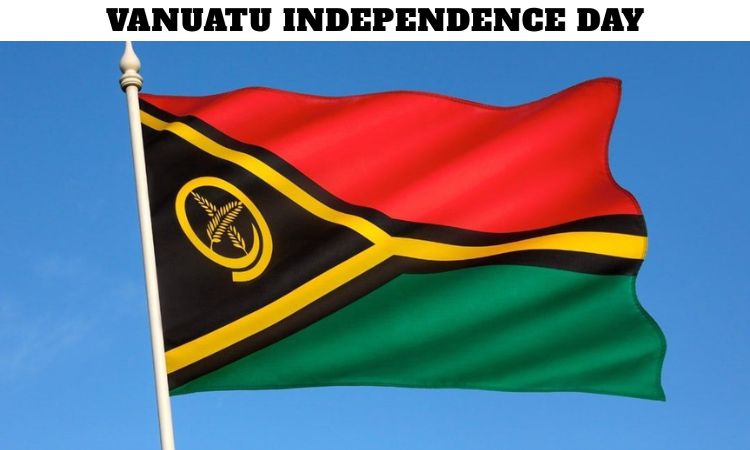
What Is Vanuatu Independence Day?
Vanuatu Independence Day is celebrated every year on July 30 to commemorate the country’s independence from the joint colonial administration of Britain and France in 1980. This important national holiday marks the birth of the Republic of Vanuatu as a free and sovereign nation. It is a day filled with patriotic pride, cultural performances, community gatherings, and official ceremonies that honor the country’s remarkable journey to self-governance.
For the people of Vanuatu, Independence Day is much more than a public holiday. It represents the triumph of unity, determination, and national identity after decades of colonial rule. Citizens from all islands come together to celebrate their rich traditions, diverse cultures, and shared future. Schools, government offices, businesses, and local communities organize various events that highlight the country’s history and achievements.
The holiday also serves as an opportunity to educate younger generations about the sacrifices made by leaders and citizens who fought for independence. Through speeches, storytelling, and cultural displays, Vanuatu proudly preserves its heritage while embracing progress and development.
Why Is Vanuatu Independence Day Celebrated on July 30?
July 30 marks the historic day in 1980 when Vanuatu officially became an independent republic. Before independence, the islands were known as the New Hebrides and were jointly governed by Britain and France under an unusual system called the Anglo-French Condominium. This arrangement lasted for more than seven decades and created a unique administrative structure where both colonial powers shared authority.
As the desire for self-rule grew during the 1960s and 1970s, local political movements gained momentum. Leaders advocated for independence and worked toward creating a unified nation despite the islands’ linguistic and cultural diversity. After years of negotiations and political reforms, Vanuatu officially declared independence on July 30, 1980.
The day symbolizes freedom from colonial rule and the beginning of a new chapter where the people of Vanuatu could govern themselves, establish their own constitution, and determine their own future.
How Did Vanuatu Gain Independence?
The journey toward independence was neither simple nor immediate. During colonial rule, the New Hebrides experienced a complex legal and administrative system because Britain and France each maintained separate governments, police forces, schools, and legal institutions. This dual administration often created confusion and inefficiency.
As nationalist movements expanded across the Pacific, Vanuatu also witnessed growing demands for political representation and self-government. Leaders encouraged national unity despite differences in language, customs, and island communities. Political organizations campaigned for democratic reforms and independence.
After several constitutional discussions and elections, the country prepared for self-rule. On July 30, 1980, the Republic of Vanuatu officially gained independence, becoming one of the newest sovereign nations in the Pacific. The successful transition reflected the determination of its people to build a democratic nation based on equality, cultural respect, and national unity.
What Is the Historical Background of Vanuatu?
Vanuatu is an island nation located in the South Pacific Ocean and consists of more than 80 islands. The islands have been inhabited by Melanesian communities for thousands of years. Archaeological evidence suggests that people settled there over 3,000 years ago, developing rich traditions, languages, and customs.
European explorers arrived during the 17th and 18th centuries, with Captain James Cook naming the islands the New Hebrides in 1774. During the late nineteenth century, European influence increased through missionaries, traders, and plantation owners.
In 1906, Britain and France established the Anglo-French Condominium, jointly governing the islands until independence. Despite colonial administration, local customs and traditional leadership remained strong in many communities. These traditions continue to play an important role in Vanuatu’s modern identity.
How Do People Celebrate Vanuatu Independence Day?
Vanuatu Independence Day is celebrated with enthusiasm across the country’s islands. Government officials, community leaders, and citizens participate in events that promote national pride and cultural heritage.
Official ceremonies usually begin with the raising of the national flag, the singing of the national anthem, and speeches by government leaders reflecting on the country’s achievements and future aspirations. Veterans, traditional chiefs, and community representatives are often honored for their contributions to national development.
Cultural festivals are among the most exciting parts of the celebration. Traditional dances, music performances, storytelling sessions, and ceremonial displays showcase the diversity of Vanuatu’s many island communities. Performers wear colorful traditional clothing made from natural materials, reflecting centuries-old customs.
Sports competitions, canoe races, volleyball tournaments, football matches, and community games are organized throughout the holiday. Families gather for shared meals featuring local dishes prepared with fresh seafood, tropical fruits, root vegetables, and traditional recipes.
Schools also organize educational programs where students learn about the nation’s independence, constitutional values, and cultural traditions. Art exhibitions, poetry readings, and essay competitions encourage young people to appreciate their country’s history.
What Makes Vanuatu’s Culture Unique?
One of the most fascinating aspects of Vanuatu is its incredible cultural diversity. Although the country’s population is relatively small, it is home to more than one hundred indigenous languages, making it one of the most linguistically diverse nations in the world.
Traditional customs remain deeply respected throughout the islands. Chiefs continue to play significant roles in community leadership, while customary laws often complement the national legal system. Many villages maintain traditional ceremonies, dances, and festivals that have been practiced for generations.
Music and dance form an essential part of everyday life. Traditional instruments such as bamboo flutes, slit drums, and shell trumpets accompany performances during festivals and national celebrations. Handcrafted artwork, woven mats, carvings, and ceremonial masks also reflect the creativity and cultural richness of Vanuatu’s people.
Independence Day provides an opportunity to celebrate these traditions while strengthening national unity among the country’s many ethnic groups and island communities.
Why Is Vanuatu Independence Day Important?
Independence Day represents freedom, democracy, and national sovereignty. It reminds citizens that their country successfully overcame colonial rule through peaceful political efforts and national cooperation.
The holiday also promotes unity among people living on different islands with distinct languages and customs. While cultural diversity remains one of Vanuatu’s greatest strengths, Independence Day emphasizes the shared identity that connects all citizens.
The celebration encourages patriotism and civic responsibility while honoring leaders who worked tirelessly to achieve independence. It also highlights the country’s commitment to democratic governance, environmental protection, education, and sustainable development.
For younger generations, Independence Day serves as an educational reminder of their nation’s history and the importance of preserving cultural traditions while embracing modernization.
What Are Some Interesting Facts About Vanuatu Independence Day?
- Vanuatu became an independent republic on July 30, 1980.
- Before independence, the country was officially called the New Hebrides.
- Britain and France jointly governed the islands under the unique Anglo-French Condominium.
- Vanuatu consists of more than 80 islands, although only about 65 are inhabited.
- The country has over 100 indigenous languages, making it one of the world’s most linguistically diverse nations.
- Traditional chiefs continue to play an important role in local governance and cultural preservation.
- Independence Day celebrations feature traditional dances, music, sports competitions, and cultural festivals.
- The national flag includes colors symbolizing the people, land, peace, and Christian faith.
- Agriculture, fishing, and tourism are among the country’s major industries.
- Vanuatu is well known for its beautiful beaches, coral reefs, active volcanoes, and vibrant indigenous culture.
How Can People Around the World Observe Vanuatu Independence Day?
People outside Vanuatu can celebrate the occasion by learning about the country’s fascinating history and diverse culture. Reading about its independence movement provides insight into Pacific history and the importance of self-determination.
Trying traditional Pacific-inspired cuisine, watching documentaries about Vanuatu, or exploring its natural attractions can also help people appreciate this island nation. Schools and cultural organizations may organize educational programs highlighting Vanuatu’s geography, traditions, and independence.
Supporting sustainable tourism and learning about Pacific environmental conservation efforts are additional ways to recognize the significance of this national holiday. Sharing knowledge about Vanuatu encourages greater global awareness of one of the Pacific’s most culturally rich nations.
What Lessons Can We Learn from Vanuatu Independence Day?
Vanuatu Independence Day teaches valuable lessons about resilience, cooperation, and national unity. Despite challenges during the colonial period, the people remained committed to achieving peaceful self-government and preserving their cultural identity.
The holiday demonstrates that diversity can be a source of national strength rather than division. With numerous islands, languages, and traditions, Vanuatu continues to thrive by respecting local customs while maintaining a united national identity.
It also reminds people everywhere that independence carries responsibilities. Building democratic institutions, protecting cultural heritage, promoting education, and supporting sustainable development are ongoing efforts that contribute to a nation’s long-term success.
As Vanuatu celebrates another Independence Day on July 30, citizens proudly honor their past while looking confidently toward the future. The holiday remains a powerful symbol of freedom, cultural pride, and national unity that inspires both the people of Vanuatu and those who appreciate the rich history of the Pacific Islands.
Frequently Asked Questions (FAQs)
1. When is Vanuatu Independence Day celebrated?
Vanuatu Independence Day is celebrated every year on July 30.
2. Why is Vanuatu Independence Day important?
It marks the country’s independence from British and French colonial rule in 1980 and celebrates national sovereignty.
3. What was Vanuatu called before independence?
Before independence, the country was known as the New Hebrides.
4. When did Vanuatu become independent?
Vanuatu officially became an independent republic on July 30, 1980.
5. Who governed Vanuatu before independence?
Britain and France jointly governed the islands under the Anglo-French Condominium.
6. How do people celebrate Vanuatu Independence Day?
Celebrations include flag-raising ceremonies, cultural performances, traditional dances, sports events, parades, and community feasts.
7. Where is Vanuatu located?
Vanuatu is an island nation located in the South Pacific Ocean.
8. How many islands make up Vanuatu?
Vanuatu consists of more than 80 islands, with around 65 being inhabited.
9. What makes Vanuatu culturally unique?
The country has over 100 indigenous languages and a rich tradition of customs, music, dance, and local leadership.
10. Is Vanuatu Independence Day a public holiday?
Yes, it is a national public holiday observed throughout the country.