

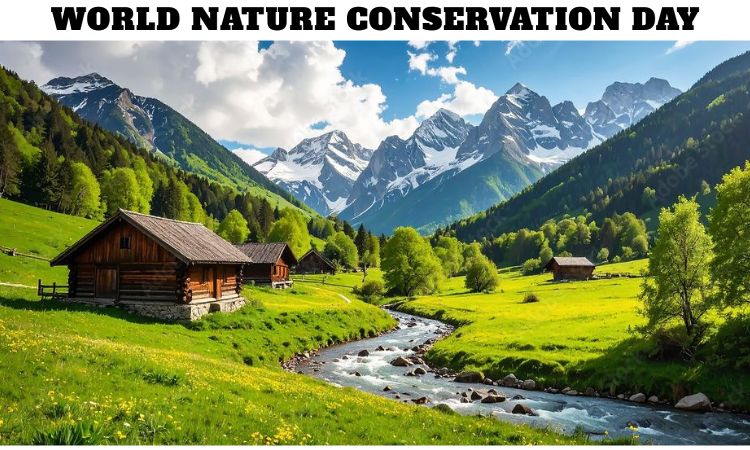
World Nature Conservation Day is observed every year on July 28 to raise awareness about the importance of protecting the Earth’s natural resources and preserving biodiversity for future generations. The day encourages individuals, communities, organizations, and governments to adopt sustainable practices that help conserve forests, wildlife, water, soil, and other valuable natural resources. As environmental challenges such as climate change, pollution, habitat destruction, and species extinction continue to grow, World Nature Conservation Day serves as a reminder that everyone has a role to play in protecting the planet. Whether it is reducing waste, planting trees, conserving water, or supporting eco-friendly initiatives, every small action contributes to a healthier environment.
Nature provides everything necessary for human survival, including clean air, fresh water, fertile soil, food, medicine, and countless ecosystem services. Conserving these resources is essential not only for maintaining ecological balance but also for ensuring the well-being of future generations. World Nature Conservation Day inspires people across the globe to understand the value of nature and take meaningful steps toward environmental sustainability.
What Is World Nature Conservation Day?
World Nature Conservation Day is an annual environmental awareness event dedicated to promoting the protection and sustainable use of natural resources. It highlights the need to preserve ecosystems, protect wildlife, reduce pollution, and encourage responsible consumption of Earth’s limited resources.
The day emphasizes that economic development and environmental conservation should go hand in hand. Healthy ecosystems support agriculture, fisheries, industries, tourism, and public health, making conservation an essential part of sustainable development.
People celebrate the occasion by participating in environmental campaigns, educational programs, clean-up drives, tree plantation activities, wildlife conservation projects, and community awareness initiatives. Schools, colleges, businesses, and environmental organizations often organize events to educate people about the importance of protecting nature.
Why Is World Nature Conservation Day Celebrated?
World Nature Conservation Day is celebrated to remind people that natural resources are finite and must be used responsibly. Human activities have placed tremendous pressure on ecosystems through deforestation, pollution, overfishing, mining, urbanization, and excessive consumption. Without proper conservation efforts, many species, habitats, and essential resources may disappear forever.
The day also aims to encourage sustainable lifestyles that minimize environmental damage. By reducing waste, recycling materials, conserving water, using renewable energy, and supporting biodiversity, individuals can help reduce their environmental footprint.
Another important objective is to inspire governments, businesses, and communities to strengthen conservation policies and invest in sustainable development projects that protect the environment while supporting economic growth.
What Is the History of World Nature Conservation Day?
Although the exact origin of World Nature Conservation Day is not clearly documented, the observance has become an important annual event recognized by environmental organizations, educational institutions, and conservation advocates worldwide. It aligns with the broader global movement toward environmental protection that gained momentum during the twentieth century.
Growing awareness of climate change, biodiversity loss, pollution, and habitat destruction has increased the importance of conservation efforts. International environmental agreements, wildlife protection programs, and sustainable development initiatives have contributed to making environmental conservation a global priority.
World Nature Conservation Day continues to serve as a platform for educating people about environmental responsibility and promoting practical actions that safeguard natural ecosystems.
Why Is Nature Conservation Important?
Nature conservation is vital because human life depends entirely on healthy ecosystems. Forests absorb carbon dioxide, wetlands reduce flooding, oceans regulate climate, pollinators support agriculture, and biodiversity maintains ecological balance. When these natural systems are damaged, people face increased risks from climate change, food shortages, water scarcity, and natural disasters.
Conservation also protects endangered species from extinction. Every plant and animal plays a unique role in maintaining ecosystem health. Losing even one species can create long-term ecological consequences that affect many other organisms.
Natural resources are also essential for economic prosperity. Agriculture, tourism, fisheries, forestry, and pharmaceutical industries rely heavily on healthy ecosystems. Protecting nature helps ensure these industries remain sustainable for future generations.
What Are the Biggest Threats to Nature Today?
The natural world faces numerous challenges that threaten ecosystems across the globe. Climate change has increased temperatures, altered weather patterns, and intensified natural disasters. Rising sea levels and extreme weather events continue to affect both wildlife and human communities.
Deforestation remains one of the leading causes of habitat destruction. Forests are cleared for agriculture, infrastructure development, and urban expansion, reducing biodiversity and increasing greenhouse gas emissions.
Pollution is another major threat. Plastic waste, industrial chemicals, air pollution, and contaminated water harm wildlife and ecosystems while affecting human health.
Overexploitation of natural resources, including illegal logging, overfishing, mining, and wildlife trafficking, further contributes to environmental degradation. Invasive species and unsustainable agricultural practices also disrupt ecosystems and reduce biodiversity.
How Can Individuals Help Protect Nature?
Every individual has the power to make a positive impact on the environment through simple daily actions. Conserving electricity by switching off unused appliances, choosing energy-efficient products, and using renewable energy sources reduces carbon emissions.
Reducing plastic consumption is another effective way to protect nature. Carrying reusable shopping bags, water bottles, and containers helps minimize plastic pollution. Recycling paper, glass, metal, and plastic conserves valuable resources while reducing landfill waste.
Water conservation is equally important. Fixing leaks, using water-efficient fixtures, collecting rainwater, and avoiding unnecessary water use help preserve freshwater resources.
Supporting local environmental organizations, participating in tree plantation drives, volunteering for clean-up campaigns, and educating others about conservation also contribute significantly to environmental protection.
Choosing sustainable transportation methods such as cycling, walking, carpooling, or using public transportation can reduce greenhouse gas emissions and improve air quality.
How Do Governments and Organizations Support Conservation?
Governments play a critical role in protecting nature through environmental laws, conservation programs, protected areas, and sustainable development policies. National parks, wildlife sanctuaries, marine reserves, and biosphere reserves safeguard important ecosystems and endangered species.
Many governments invest in renewable energy, afforestation projects, pollution control measures, and climate adaptation strategies to reduce environmental damage.
International organizations work together to address global environmental challenges by supporting conservation research, funding biodiversity projects, promoting sustainable agriculture, and encouraging climate action.
Businesses also contribute by adopting environmentally responsible practices, reducing waste, improving energy efficiency, and investing in sustainable supply chains. Corporate sustainability initiatives help reduce environmental impacts while supporting long-term economic growth.
What Activities Can Be Done on World Nature Conservation Day?
World Nature Conservation Day offers numerous opportunities for meaningful participation. Tree planting remains one of the most popular activities because trees improve air quality, support biodiversity, and absorb carbon dioxide.
Community clean-up drives help remove litter from parks, rivers, beaches, forests, and neighborhoods while raising awareness about waste management.
Educational workshops, seminars, environmental exhibitions, documentary screenings, and school competitions encourage people to learn about conservation issues.
Families can celebrate by visiting national parks, botanical gardens, wildlife sanctuaries, or nature reserves to appreciate biodiversity and understand the importance of habitat protection.
People may also support conservation charities, adopt sustainable gardening practices, reduce household waste, compost organic materials, and create wildlife-friendly spaces by planting native flowers and providing habitats for birds and pollinators.
How Does Nature Conservation Benefit Future Generations?
Conserving nature today ensures that future generations inherit a healthy and sustainable planet. Healthy ecosystems provide clean water, fertile soil, stable climates, and abundant biodiversity that support food production and human well-being.
Environmental conservation also helps reduce the long-term impacts of climate change by preserving forests, wetlands, and oceans that naturally regulate Earth’s climate.
Children who grow up in healthy natural environments often develop greater environmental awareness and appreciation for biodiversity. Investing in conservation today creates opportunities for scientific research, recreation, education, and sustainable economic development in the future.
Protecting nature is not only an environmental responsibility but also an investment in humanity’s long-term survival and quality of life.
What Can We Learn from World Nature Conservation Day?
World Nature Conservation Day teaches that protecting nature requires collective action from individuals, communities, businesses, and governments. Every decision, from reducing waste to supporting conservation policies, contributes to preserving Earth’s natural resources.
The day reminds us that environmental sustainability is closely connected to economic stability, public health, and social well-being. Healthy ecosystems provide essential services that cannot easily be replaced once they are damaged.
By embracing sustainable lifestyles, conserving biodiversity, reducing pollution, and supporting environmental initiatives, people can help build a future where both humanity and nature thrive together. World Nature Conservation Day encourages everyone to recognize that protecting the environment is not merely an option but a shared responsibility that benefits present and future generations alike.
World Nature Conservation Day, observed on July 28, serves as an important reminder that the health of our planet depends on the choices we make every day. Conserving forests, protecting wildlife, reducing pollution, preserving water resources, and promoting sustainable living are essential steps toward maintaining ecological balance. While governments and organizations play a significant role in environmental protection, individual actions are equally valuable. Every tree planted, every piece of plastic recycled, and every effort to conserve resources contributes to a healthier Earth. By working together, humanity can preserve nature’s incredible diversity and ensure that future generations enjoy a cleaner, greener, and more sustainable world.
Frequently Asked Questions (FAQs)
1. When is World Nature Conservation Day celebrated?
World Nature Conservation Day is observed every year on July 28.
2. Why is World Nature Conservation Day important?
It raises awareness about protecting natural resources, conserving biodiversity, and promoting sustainable living.
3. What is the main purpose of World Nature Conservation Day?
The main purpose is to encourage people to protect the environment and use natural resources responsibly.
4. How can I participate in World Nature Conservation Day?
You can plant trees, reduce waste, recycle, conserve water, join clean-up drives, and support environmental organizations.
5. Why is biodiversity important?
Biodiversity maintains ecosystem balance, supports food production, and helps ecosystems adapt to environmental changes.
6. What are the biggest threats to nature?
Major threats include climate change, pollution, deforestation, habitat destruction, overexploitation of resources, and biodiversity loss.
7. How does tree planting help nature?
Trees absorb carbon dioxide, improve air quality, prevent soil erosion, provide wildlife habitats, and support biodiversity.
8. What are natural resources?
Natural resources include forests, water, air, minerals, soil, wildlife, and fossil fuels that support human life and economic development.
9. How can children contribute to nature conservation?
Children can recycle, plant trees, conserve water, avoid littering, learn about wildlife, and encourage others to protect the environment.
10. Why should everyone support nature conservation?
Supporting nature conservation ensures clean air, safe water, healthy ecosystems, stable climates, and a sustainable future for generations to come.