

What Is Peru Independence Day and Why Is It Celebrated on July 28?
Peru Independence Day, celebrated every year on July 28, is one of the most important national holidays in Peru. It commemorates the declaration of Peru’s independence from Spanish colonial rule in 1821. The day represents the country’s journey toward freedom, sovereignty, and national identity. Known locally as “Fiestas Patrias,” the celebration extends beyond a single day and often continues through July 29, creating a nationwide atmosphere of patriotism, cultural pride, and unity.
For Peruvians, Independence Day is much more than a historical anniversary. It is an opportunity to reflect on the sacrifices made by freedom fighters, honor the nation’s cultural heritage, and celebrate the diversity that defines modern Peru. Cities, towns, and villages across the country proudly display the national flag, while citizens participate in parades, cultural performances, concerts, and family gatherings.
The holiday also serves as a reminder of Peru’s remarkable history, from the ancient Inca civilization to its emergence as one of South America’s most culturally rich nations. Every year, millions of Peruvians come together to celebrate their shared identity and the values of freedom, democracy, and national progress.
How Did Peru Gain Its Independence?
Before gaining independence, Peru was one of Spain’s most important colonies in South America. Lima served as the center of Spanish political and economic power on the continent. Although independence movements had already begun across Latin America in the early nineteenth century, Peru remained under Spanish control longer than many neighboring countries.
The turning point came when Argentine military leader José de San Martín led the Liberation Expedition to Peru. After landing on the Peruvian coast and gaining support from local patriots, San Martín entered Lima. On July 28, 1821, he officially proclaimed Peru’s independence in the city’s main square.
Although the declaration marked a historic milestone, fighting continued for several years. Spanish forces still controlled parts of the country until the decisive Battle of Ayacucho in 1824, where patriot forces secured complete independence under the leadership of Antonio José de Sucre, with support from Simón Bolívar. This victory effectively ended Spanish rule in Peru and much of South America.
The declaration made by San Martín remains one of the defining moments in Peruvian history, and July 28 continues to symbolize the nation’s birth as an independent republic.
Why Is Peru Independence Day Historically Important?
Peru Independence Day represents the triumph of national determination and the desire for self-government. It marked the beginning of a new chapter in which Peru could shape its own political, economic, and cultural future without colonial control.
The event also played a crucial role in the broader Latin American independence movement. Peru’s liberation contributed significantly to ending Spanish dominance across South America. The successful independence campaigns inspired neighboring countries and strengthened regional cooperation among emerging republics.
Beyond politics, Independence Day highlights Peru’s commitment to preserving its unique traditions while embracing modern development. The holiday encourages citizens to appreciate the country’s diverse geography, indigenous heritage, languages, arts, music, and customs that continue to enrich Peruvian society.
For students and younger generations, the day provides an opportunity to learn about national history, understand the importance of civic responsibility, and recognize the contributions of historical leaders who fought for freedom.
How Do Peruvians Celebrate Peru Independence Day?
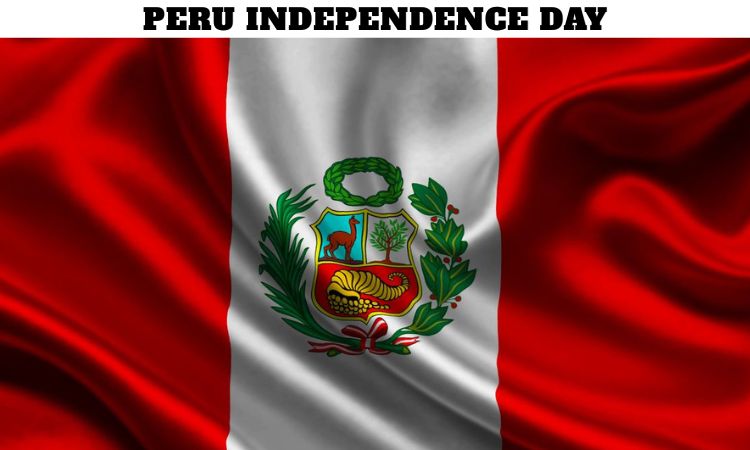
Peru Independence Day is celebrated with enthusiasm throughout the country. The festivities begin well before July 28 as homes, businesses, schools, and government buildings display the red and white Peruvian flag.
One of the most significant traditions is the presidential address to the nation. The President of Peru delivers an annual speech discussing the country’s achievements, challenges, and future goals. This address is followed closely by citizens across the nation.
Military parades are another important feature of the celebrations. Members of the armed forces, police, and various public organizations participate in impressive marches that demonstrate national pride and unity. These parades showcase discipline, respect for history, and appreciation for those who protect the country.
Schools organize cultural programs where students perform traditional dances, sing patriotic songs, and present theatrical performances about Peru’s independence. Museums and historical sites often host exhibitions that educate visitors about the nation’s journey toward freedom.
Families gather for festive meals, attend public concerts, enjoy fireworks displays, and participate in community events. Parks and public squares become lively gathering places where people celebrate together regardless of age or background.
What Traditions Make Peru Independence Day Special?
Many customs have become closely associated with Peru Independence Day over the years. Displaying the national flag is among the most visible traditions. Homes proudly fly the red and white flag throughout the celebration period as a sign of patriotism and respect.
Traditional music fills the streets as musicians perform folk melodies featuring instruments like the charango, quena, and cajón. Dance performances celebrate Peru’s diverse cultural regions, including the coast, Andes, and Amazon.
Religious ceremonies are also held in many communities, reflecting the country’s cultural and spiritual traditions. Churches often organize special masses that include prayers for peace, prosperity, and national unity.
Families prepare traditional Peruvian dishes that highlight the country’s internationally acclaimed cuisine. Meals become an opportunity to celebrate together while honoring generations of culinary heritage.
Communities also organize sporting competitions, cultural fairs, artisan markets, and educational activities that promote local history and traditions. These events strengthen social bonds while encouraging appreciation for Peru’s remarkable cultural diversity.
Which Foods Are Popular During Peru Independence Day?
Food plays a central role in Peru Independence Day celebrations. Peru is widely recognized as one of the world’s leading culinary destinations, and national holidays provide the perfect opportunity to enjoy its famous dishes.
Many families prepare ceviche, considered Peru’s national dish. Fresh fish marinated in lime juice with onions, chili peppers, and herbs creates a refreshing meal enjoyed throughout the country.
Lomo saltado is another favorite, combining marinated beef, onions, tomatoes, soy sauce, and fries in a unique fusion of Peruvian and Asian influences. Ají de gallina, made with shredded chicken in a creamy chili sauce, is also commonly served during family gatherings.
Anticuchos, grilled beef heart skewers seasoned with traditional spices, are popular street foods during holiday festivals. Tamales, empanadas, and causa are frequently prepared as well.
Desserts such as picarones, arroz con leche, mazamorra morada, and alfajores provide sweet endings to festive meals. Traditional beverages like chicha morada and pisco-based drinks are commonly enjoyed during celebrations, depending on family preferences and local customs.
These culinary traditions showcase Peru’s extraordinary gastronomic heritage and bring families together during one of the nation’s most meaningful holidays.
Who Were the Key Figures Behind Peru’s Independence?
Several remarkable leaders contributed to Peru’s independence. José de San Martín is widely recognized as the individual who declared Peru’s independence on July 28, 1821. His military leadership and strategic vision played a crucial role in liberating the country from Spanish rule.
Simón Bolívar also made significant contributions to Peru’s independence. As one of South America’s greatest liberators, Bolívar continued the campaign against remaining Spanish forces after San Martín’s departure. His leadership helped secure lasting freedom for Peru and neighboring countries.
Antonio José de Sucre achieved a decisive victory at the Battle of Ayacucho in 1824. This battle effectively ended Spanish colonial rule in South America and ensured Peru’s independence.
Many local Peruvian patriots, indigenous communities, soldiers, and ordinary citizens also supported the independence movement. Their courage, sacrifices, and determination remain an essential part of Peru’s national story.
Today, monuments, museums, educational programs, and public ceremonies honor these historical figures and preserve their legacy for future generations.
Why Does Peru Independence Day Strengthen National Identity?
National holidays play an important role in preserving cultural identity, and Peru Independence Day is no exception. The celebration reminds citizens of their shared history while embracing the country’s incredible diversity.
Peru is home to numerous ethnic groups, languages, traditions, and cultural expressions. Independence Day creates a sense of unity by bringing together people from different regions and backgrounds under one national identity.
Educational institutions use the occasion to teach students about historical events, constitutional values, and civic responsibility. Cultural organizations promote traditional music, dance, literature, and art that reflect Peru’s rich heritage.
The holiday also encourages Peruvians living abroad to reconnect with their roots. Around the world, Peruvian communities organize celebrations featuring national cuisine, music, and cultural performances that keep traditions alive across generations.
Through these activities, Peru Independence Day continues to strengthen national pride while promoting respect for the country’s remarkable historical and cultural achievements.
How Is Peru Independence Day Celebrated Around the World?
Peruvian communities living outside the country enthusiastically celebrate Independence Day each year. Large celebrations take place in countries with significant Peruvian populations, including the United States, Spain, Italy, Argentina, Chile, and Canada.
Embassies and consulates often organize official ceremonies that include flag-raising events, cultural exhibitions, musical performances, and receptions. These gatherings help strengthen relationships between Peru and host countries while celebrating Peruvian heritage.
Community organizations arrange festivals featuring traditional dances, food fairs, handicraft displays, and educational activities. Families gather to prepare favorite recipes and share stories about their homeland with younger generations.
Social media has also expanded global participation by allowing Peruvians everywhere to share photographs, historical facts, cultural traditions, and patriotic messages celebrating their nation’s independence.
These international celebrations demonstrate that national pride extends far beyond Peru’s borders and continues to unite Peruvians around the world.
What Makes Peru Independence Day Relevant Today?
Although Peru declared its independence more than two centuries ago, the values celebrated on July 28 remain highly relevant. Freedom, democracy, national unity, and cultural preservation continue to shape the country’s future.
The holiday provides an opportunity to recognize Peru’s achievements in education, science, tourism, culture, and economic development while acknowledging ongoing challenges that require collective effort.
It also encourages citizens to participate actively in civic life, respect democratic institutions, and contribute positively to their communities. By reflecting on the sacrifices made by earlier generations, Peruvians gain a deeper appreciation for the rights and opportunities they enjoy today.
Peru Independence Day ultimately serves as both a celebration of the past and a hopeful vision for the future. It reminds people that national progress depends upon unity, resilience, and a shared commitment to building a stronger country for generations to come.
Peru Independence Day on July 28 stands as one of the nation’s most cherished celebrations, honoring the historic declaration of independence in 1821 and the enduring spirit of freedom that continues to inspire Peruvians today. From patriotic ceremonies and military parades to traditional music, cultural performances, and family gatherings, the holiday beautifully reflects Peru’s rich history and vibrant heritage. It is a time for remembering the sacrifices of independence leaders, appreciating the country’s extraordinary cultural diversity, and looking forward to a future built on unity, democracy, and national pride. Whether celebrated in Peru or by Peruvian communities across the globe, July 28 remains a powerful symbol of identity, resilience, and the enduring importance of independence.
Frequently Asked Questions (FAQs)
1. When is Peru Independence Day celebrated?
Peru Independence Day is celebrated every year on July 28, with national festivities often continuing on July 29.
2. What does Peru Independence Day commemorate?
It commemorates the declaration of Peru’s independence from Spanish colonial rule on July 28, 1821.
3. Who declared Peru’s independence?
José de San Martín officially declared Peru’s independence in Lima on July 28, 1821.
4. Why is Peru Independence Day called Fiestas Patrias?
“Fiestas Patrias” means “National Holidays” and refers to the patriotic celebrations held across Peru on July 28 and 29.
5. How do Peruvians celebrate Independence Day?
Celebrations include military parades, presidential speeches, flag displays, cultural events, traditional music, dancing, fireworks, and family gatherings.
6. What are some traditional foods enjoyed during the holiday?
Popular dishes include ceviche, lomo saltado, ají de gallina, anticuchos, tamales, and desserts like picarones.
7. Is Peru Independence Day a public holiday?
Yes, it is one of Peru’s most important national public holidays.
8. Why is July 29 also important in Peru?
July 29 is the second day of Fiestas Patrias and features additional celebrations, including the Grand Military Parade.
9. Who were the major leaders of Peru’s independence movement?
José de San Martín, Simón Bolívar, and Antonio José de Sucre were among the key leaders who secured Peru’s independence.
10. Why is Peru Independence Day significant today?
It celebrates Peru’s freedom, cultural heritage, national unity, and ongoing commitment to democracy and progress.