

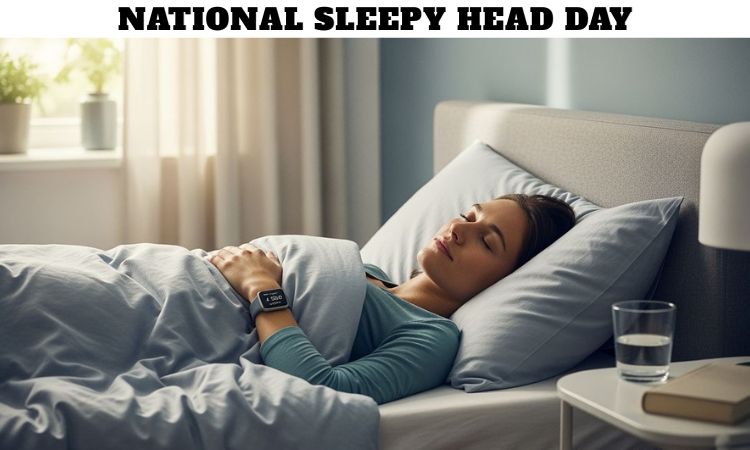
What Is National Sleepy Head Day and Why Is It Celebrated on July 27?
National Sleepy Head Day is celebrated every year on July 27 and is one of the most unusual and entertaining observances associated with sleep. The day reminds people about the importance of rest while also embracing a centuries-old tradition that playfully pokes fun at those who enjoy sleeping late. Although the celebration has humorous roots, it also highlights the growing awareness of healthy sleep habits and the role quality sleep plays in maintaining physical and mental well-being.
The tradition is especially popular in Finland, where the last person in a household to wake up is humorously declared the “sleepy head.” In many communities, the chosen individual is even thrown into a nearby lake or river as part of the festivities. While this custom is mostly symbolic today, it reflects the cultural belief that waking up early is a sign of discipline and productivity.
Over time, National Sleepy Head Day has become more than just a playful holiday. It encourages people to think about their sleep routines, understand the value of adequate rest, and recognize that proper sleep contributes significantly to a healthier and happier life.
How Did National Sleepy Head Day Begin?
The origins of National Sleepy Head Day can be traced back to Finland, where it is known as Unikeonpäivä. The tradition dates back hundreds of years and is connected to the Christian legend of the Seven Sleepers of Ephesus. According to the story, seven young men sought refuge inside a cave to escape persecution. They miraculously fell asleep and remained asleep for centuries before awakening, becoming symbols of faith and divine protection.
As the legend spread throughout Europe, Finland developed its own unique customs around the story. Rather than focusing solely on the religious aspect, the Finnish celebration evolved into a lighthearted event centered on sleeping late. Eventually, the holiday became a community festival featuring parades, music, and the famous tradition of tossing the “sleepiest” person into the water.
Today, cities such as Naantali celebrate National Sleepy Head Day by selecting a well-known local personality as the honorary “Sleepy Head of the Year.” The individual is dramatically awakened by being thrown into the harbor before crowds of cheering spectators. This cheerful event attracts visitors from around the world and has become an iconic summer tradition.
Why Is National Sleepy Head Day Still Relevant Today?
Modern lifestyles often leave people struggling to get enough sleep. Long work hours, digital devices, stress, and irregular schedules have made sleep deprivation increasingly common. National Sleepy Head Day serves as a reminder that while sleeping late occasionally can be enjoyable, maintaining a consistent sleep schedule is essential for overall health.
Medical research consistently shows that adults generally need between seven and nine hours of sleep each night. Proper sleep improves concentration, memory, emotional well-being, immune function, and physical recovery. On the other hand, chronic sleep deprivation can increase the risk of heart disease, obesity, diabetes, anxiety, and depression.
National Sleepy Head Day encourages people to reflect on their daily routines and make sleep a priority rather than treating it as an afterthought. It reminds everyone that adequate rest is not a luxury but a necessity for living a balanced and productive life.
How Is National Sleepy Head Day Celebrated Around the World?
Although the largest celebrations take place in Finland, people across the globe observe National Sleepy Head Day in various enjoyable ways. Many choose to sleep in a little longer than usual, enjoy a relaxing morning, or spend the day focusing on self-care and relaxation.
Some families turn the occasion into a friendly competition by jokingly identifying the household member who sleeps the longest. Others organize pajama parties, brunch gatherings, movie marathons, or afternoon naps. Social media users often share funny stories about sleeping through alarms or post pictures of cozy bedrooms and favorite sleep accessories.
Wellness organizations and healthcare professionals may also use the day to educate people about healthy sleep habits, sleep disorders, and techniques for improving sleep quality. Educational campaigns often encourage reducing screen time before bed, maintaining a consistent bedtime, and creating a relaxing sleep environment.
What Are Some Fun Ways to Celebrate National Sleepy Head Day?
There are many enjoyable and meaningful ways to celebrate National Sleepy Head Day. One of the simplest is allowing yourself a little extra rest if your schedule permits. Giving your body the opportunity to recover from accumulated fatigue can be both refreshing and beneficial.
Creating a cozy sleep environment is another excellent idea. Fresh bedding, comfortable pillows, blackout curtains, calming music, and relaxing scents like lavender can make bedtime more enjoyable. Reading a good book before sleeping instead of scrolling through electronic devices may also improve sleep quality.
Families can celebrate by having breakfast in bed, watching favorite movies together, or organizing a “no alarm clock” morning. Friends may exchange humorous stories about oversleeping or share tips for getting better rest. Employers can even promote workplace wellness by encouraging healthy sleep awareness among employees.
If you enjoy learning about different cultures, exploring Finland’s National Sleepy Head Day traditions can make the celebration even more meaningful. Watching videos or reading about the famous harbor ceremony provides fascinating insight into one of Europe’s most unique summer festivals.
Why Is Good Sleep So Important for Overall Health?
Sleep is one of the most essential biological functions of the human body. During sleep, the brain processes information, strengthens memories, repairs tissues, balances hormones, and restores energy. Every major system in the body benefits from consistent, high-quality sleep.
People who sleep well often experience better concentration, improved creativity, stronger immune systems, healthier moods, and enhanced decision-making abilities. Athletes rely on sleep for muscle recovery, while students benefit from improved learning and memory retention.
Lack of sleep can negatively affect nearly every aspect of daily life. Fatigue reduces productivity, increases the likelihood of accidents, weakens the immune system, and contributes to emotional stress. Long-term sleep deprivation has also been linked to serious medical conditions including hypertension, cardiovascular disease, obesity, and certain mental health disorders.
National Sleepy Head Day encourages everyone to appreciate the restorative power of sleep and recognize its critical role in maintaining both physical and emotional wellness.
What Are Some Simple Tips for Better Sleep Every Night?
Developing healthy sleep habits does not require complicated routines. Small, consistent changes often produce significant improvements in sleep quality. Going to bed and waking up at the same time every day helps regulate the body’s internal clock.
Limiting caffeine during the afternoon and evening can prevent sleep disturbances. Reducing exposure to bright screens before bedtime allows natural melatonin production to occur more effectively. Keeping the bedroom cool, dark, and quiet creates an ideal environment for restful sleep.
Regular physical activity also supports better sleep, although vigorous exercise should generally be completed several hours before bedtime. Relaxation techniques such as meditation, deep breathing, gentle stretching, or reading can help calm the mind before sleeping.
Most importantly, listening to your body’s natural signals rather than forcing yourself to stay awake unnecessarily can contribute to healthier sleep patterns over time.
What Are Some Interesting Facts About National Sleepy Head Day?
- National Sleepy Head Day has several fascinating traditions and historical connections that many people may not know. The Finnish city of Naantali has celebrated the occasion for decades with elaborate public events that attract thousands of visitors every year.
- The honorary “Sleepy Head of the Year” is often a respected local citizen, politician, artist, athlete, or community leader whose identity is kept secret until the morning ceremony. Spectators eagerly gather to watch the surprise reveal and playful plunge into the harbor.
- The holiday’s association with the Seven Sleepers of Ephesus demonstrates how ancient legends can evolve into modern cultural celebrations. What began as a religious story gradually transformed into a cheerful festival promoting community spirit and good humor.
- Despite its playful name, National Sleepy Head Day increasingly serves as a platform for discussing sleep health and encouraging healthier lifestyles around the world.
How Can Families and Children Enjoy National Sleepy Head Day Together?
National Sleepy Head Day offers an excellent opportunity for families to spend quality time together while learning about healthy sleep habits. Parents can use the occasion to explain why children need enough sleep for growth, learning, and energy.
Families may organize themed breakfasts, read bedtime stories together, build blanket forts for afternoon relaxation, or create bedtime routines that children can continue throughout the year. Educational games about healthy habits can make learning both enjoyable and memorable.
Children often enjoy dressing in pajamas throughout the morning, participating in “sleepiest family member” contests, or creating artwork inspired by dreams and bedtime stories. These fun activities help reinforce positive attitudes toward healthy sleep without making the topic feel overly serious.
Why Will National Sleepy Head Day Continue to Be Important in the Future?
As technology becomes increasingly integrated into daily life, many people find it difficult to disconnect and get sufficient rest. Smartphones, streaming services, social media, and demanding work schedules continue to reduce average sleep duration across many countries.
National Sleepy Head Day serves as an annual reminder to slow down, prioritize personal well-being, and recognize that proper rest supports every aspect of life. Its unique combination of humor, tradition, and health awareness makes it relevant for people of all ages.
The holiday encourages individuals to balance productivity with self-care, reminding everyone that success and well-being depend not only on hard work but also on adequate recovery. Whether celebrated with laughter, relaxation, or educational activities, National Sleepy Head Day continues to inspire healthier sleep habits while preserving a charming cultural tradition that has endured for generations.
National Sleepy Head Day on July 27 is much more than a lighthearted excuse to sleep in. Rooted in Finnish tradition and inspired by an ancient legend, the holiday celebrates the value of rest while reminding people of the importance of maintaining healthy sleep habits. Whether you participate by enjoying an extra hour of sleep, learning about Finland’s unique customs, improving your bedtime routine, or simply appreciating the restorative power of sleep, the day offers a meaningful opportunity to focus on personal well-being. In a fast-paced world where quality rest is often overlooked, National Sleepy Head Day encourages everyone to recognize that good sleep is one of the foundations of a healthier, happier, and more productive life.
Frequently Asked Questions (FAQs)
1. When is National Sleepy Head Day celebrated?
National Sleepy Head Day is celebrated every year on July 27.
2. Where did National Sleepy Head Day originate?
The holiday originated in Finland and is known there as Unikeonpäivä.
3. Why is National Sleepy Head Day celebrated?
It celebrates a centuries-old tradition while promoting awareness of the importance of healthy sleep.
4. What is the tradition of throwing someone into the water?
In Finland, the last person to wake up or an honorary guest is playfully thrown into a lake or harbor as part of the celebration.
5. Is National Sleepy Head Day an official public holiday?
No, it is a cultural observance rather than an official public holiday in most countries.
6. What is the connection to the Seven Sleepers of Ephesus?
The holiday evolved from the Christian legend of the Seven Sleepers, who were believed to have slept for centuries.
7. How can I celebrate National Sleepy Head Day?
You can sleep in, improve your bedtime routine, take a relaxing nap, learn about Finnish traditions, or promote healthy sleep awareness.
8. Why is sleep important for good health?
Quality sleep supports brain function, immunity, heart health, emotional well-being, memory, and overall physical recovery.
9. How much sleep do adults generally need?
Most healthy adults need between seven and nine hours of sleep each night.
10. Can children celebrate National Sleepy Head Day?
Yes. Families can celebrate with bedtime stories, healthy sleep activities, pajama mornings, and educational games about good sleep habits.