

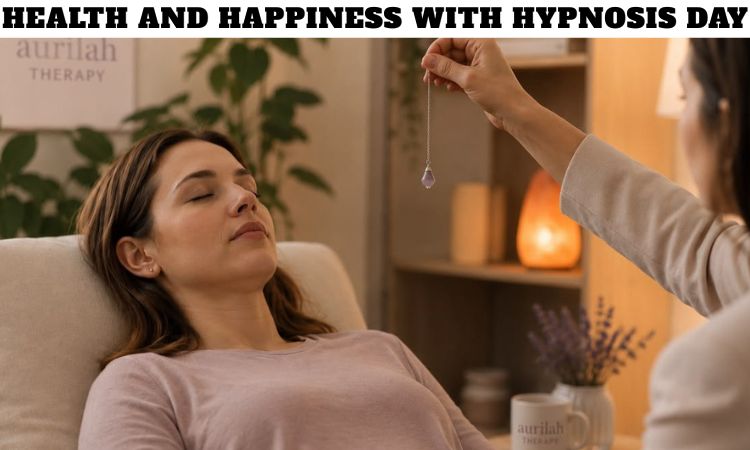
What Is Health and Happiness with Hypnosis Day?
Health and Happiness with Hypnosis Day is observed every year on July 25 to raise awareness about the positive role hypnosis can play in improving physical, emotional, and mental well-being. The day encourages people to learn about hypnosis as a safe and effective complementary wellness practice that can help reduce stress, improve confidence, manage unwanted habits, and support healthier lifestyles. Although hypnosis has often been misunderstood because of its portrayal in movies and stage performances, clinical hypnosis is a scientifically recognized technique used by trained professionals in healthcare and therapy.
The purpose of Health and Happiness with Hypnosis Day is not only to educate people about the benefits of hypnosis but also to eliminate myths that have surrounded it for decades. Many people assume hypnosis involves losing control or being manipulated, but in reality, therapeutic hypnosis helps individuals enter a deeply relaxed state where they become more focused and receptive to positive suggestions. Throughout the day, wellness professionals, hypnotherapists, and healthcare practitioners promote awareness by organizing workshops, seminars, online discussions, and educational events that explain how hypnosis can contribute to healthier and happier lives.
Why Is Health and Happiness with Hypnosis Day Celebrated?
Health and Happiness with Hypnosis Day is celebrated to highlight the growing acceptance of hypnosis as a complementary tool for improving quality of life. Modern lifestyles often involve high levels of stress, anxiety, poor sleep, unhealthy habits, and emotional challenges. Hypnosis offers a natural method that may help individuals develop healthier behaviors while improving their emotional resilience.
The observance encourages people to explore evidence-based approaches to wellness instead of relying solely on misconceptions. By increasing awareness, this special day helps people understand that hypnosis is not magic or mind control. Instead, it is a collaborative process between a trained practitioner and the individual, where positive suggestions are used to encourage beneficial changes in thinking, behavior, and emotional responses.
The celebration also recognizes professionals who dedicate their careers to helping people overcome personal challenges through hypnotherapy. Whether assisting individuals in managing stress, quitting smoking, improving confidence, or coping with chronic pain, hypnotherapists contribute to overall wellness in meaningful ways.
What Is Hypnosis and How Does It Work?
Hypnosis is a state of focused attention, heightened concentration, and deep relaxation. During hypnosis, an individual remains conscious and aware of their surroundings while becoming more open to constructive suggestions. Contrary to popular belief, a person under hypnosis does not lose control or become unconscious. They can usually hear, think, and even choose whether to accept or reject suggestions.
A trained hypnotherapist guides the individual into a calm and relaxed mental state through verbal instructions, breathing exercises, visualization, or progressive muscle relaxation. Once this state is achieved, the therapist introduces positive suggestions that align with the person’s goals, such as reducing anxiety, increasing motivation, improving self-esteem, or replacing unhealthy habits with healthier ones.
Researchers believe hypnosis works by allowing individuals to become more focused on internal thoughts while reducing external distractions. This focused attention may help people access subconscious patterns and reinforce positive behavioral changes more effectively than through ordinary conversation alone.
How Can Hypnosis Improve Health and Happiness?
Hypnosis has gained recognition as a complementary wellness technique because it supports both physical and mental well-being. Many individuals experience improvements in stress management, emotional balance, and personal confidence after participating in guided hypnosis sessions.
One of the most common benefits is stress reduction. During hypnosis, the body enters a deeply relaxed state that can lower muscle tension and promote calmness. This relaxation may contribute to improved mood, better emotional regulation, and reduced feelings of overwhelm.
Hypnosis may also support better sleep by helping individuals quiet racing thoughts and develop healthier bedtime routines. People struggling with insomnia or sleep disturbances sometimes use hypnosis alongside other medical recommendations to improve sleep quality.
Many individuals use hypnosis to overcome unwanted habits such as smoking, nail biting, or emotional eating. By reinforcing positive behaviors through repeated suggestions, hypnosis can strengthen motivation and encourage healthier choices.
Confidence and self-esteem may also improve through hypnosis. Athletes, performers, students, and professionals often use visualization techniques during hypnosis to improve focus, reduce performance anxiety, and build confidence before important events.
Some healthcare providers also incorporate clinical hypnosis into treatment plans for chronic pain management, anxiety disorders, dental procedures, childbirth preparation, and certain gastrointestinal conditions. However, hypnosis should always be considered a complementary approach rather than a replacement for appropriate medical care.
What Are the Common Myths About Hypnosis?
Health and Happiness with Hypnosis Day also serves as an opportunity to address common misconceptions surrounding hypnosis. One widespread myth is that people lose complete control during hypnosis. In reality, individuals remain aware and cannot be forced to do anything against their values or beliefs.
Another misconception is that hypnosis involves sleeping. Although people often appear deeply relaxed with their eyes closed, hypnosis is not sleep. Most participants remain mentally alert throughout the session.
Many believe hypnosis works instantly for everyone. While some individuals respond quickly, others may require multiple sessions depending on their goals, personality, and willingness to participate.
Another myth suggests that hypnosis is only entertainment performed on stage. While stage hypnosis is designed for amusement, clinical hypnosis follows ethical standards and focuses on helping individuals achieve therapeutic goals under the guidance of trained professionals.
How Is Health and Happiness with Hypnosis Day Observed?
People celebrate Health and Happiness with Hypnosis Day in many educational and wellness-focused ways. Wellness centers and hypnotherapists often organize introductory sessions where participants can experience guided relaxation while learning how hypnosis works.
Healthcare professionals may host seminars explaining the science behind hypnosis and discussing its role in stress management, behavioral change, and emotional well-being. Online webinars and virtual workshops have also become popular, allowing participants from around the world to learn from experienced practitioners.
Individuals often use the day for self-care by practicing guided meditation, mindfulness exercises, breathing techniques, or listening to professionally created hypnosis recordings designed for relaxation and positive thinking. Many also take the opportunity to read books and research studies that explain the growing body of evidence supporting clinical hypnosis.
Some people schedule consultations with licensed hypnotherapists to discuss personal goals such as overcoming fears, reducing anxiety, improving sleep, or increasing confidence. Others simply use the occasion to reflect on their overall health and happiness while exploring new approaches to personal growth.
What Are the Benefits of Clinical Hypnosis?
Clinical hypnosis has become increasingly recognized because of its wide range of potential benefits when practiced by qualified professionals. One major advantage is its ability to promote deep relaxation without medication. This relaxation may support healthier stress responses and improved emotional well-being.
Many people report better concentration and enhanced mental clarity following hypnosis sessions. Students and professionals sometimes use hypnosis techniques to improve focus during demanding tasks or examinations.
Hypnosis may also support emotional resilience by helping individuals develop healthier coping strategies for anxiety, fear, and negative thinking patterns. Positive suggestions introduced during hypnosis can reinforce optimism, motivation, and confidence.
Behavioral changes are another significant benefit. Hypnosis is frequently used alongside counseling or behavioral therapy to help individuals quit smoking, lose weight, reduce unhealthy cravings, or improve exercise habits.
In healthcare settings, some patients benefit from hypnosis before medical procedures to reduce anxiety or discomfort. Others use hypnosis to complement treatments for chronic pain or specific medical conditions under professional supervision.
Why Is Mental Wellness Connected to Happiness?
Mental wellness plays a fundamental role in overall happiness because thoughts, emotions, and behaviors are closely connected. When people experience chronic stress, anxiety, or emotional exhaustion, their physical health and quality of life often suffer as well.
Practices that encourage relaxation, positive thinking, and emotional balance can contribute to greater life satisfaction. Hypnosis supports this connection by helping individuals identify negative thought patterns and replace them with healthier perspectives.
Improved mental wellness can strengthen relationships, increase productivity, enhance decision-making, and promote healthier lifestyles. As people develop better emotional awareness and resilience, they often become more capable of managing life’s challenges while maintaining optimism and inner peace.
Health and Happiness with Hypnosis Day reminds everyone that caring for mental health is just as important as caring for physical health. Exploring safe and evidence-based wellness practices can become part of a balanced approach to lifelong well-being.
How Can You Celebrate Health and Happiness with Hypnosis Day?
Celebrating Health and Happiness with Hypnosis Day can be both educational and personally rewarding. You can begin by learning about the science behind clinical hypnosis through books, reputable health organizations, or educational videos created by qualified professionals.
Practicing relaxation exercises, mindfulness meditation, or guided hypnosis recordings can help reduce stress and improve emotional well-being. Spending time reflecting on personal goals, positive habits, and emotional health also aligns with the spirit of the observance.
Sharing accurate information about hypnosis with friends and family can help reduce misconceptions while encouraging open discussions about mental wellness. Supporting licensed hypnotherapists, attending educational events, or exploring professional consultations are additional ways to recognize the importance of this special day.
Above all, Health and Happiness with Hypnosis Day serves as a reminder that happiness often begins with a healthy mind, balanced emotions, and a willingness to embrace positive personal growth. Whether someone chooses hypnosis, meditation, counseling, exercise, or other wellness practices, the ultimate goal is to create a healthier, happier, and more fulfilling life.
Health and Happiness with Hypnosis Day, observed annually on July 25, encourages people to look beyond myths and discover the genuine benefits of clinical hypnosis. As awareness continues to grow, more individuals are recognizing hypnosis as a valuable complementary practice for stress reduction, confidence building, behavior change, and emotional wellness. While hypnosis is not a cure-all or a substitute for professional medical treatment, it can become an important part of a holistic approach to health when guided by qualified practitioners. This observance inspires everyone to prioritize mental well-being, embrace lifelong learning, and explore safe techniques that contribute to lasting happiness and healthier living.
Frequently Asked Questions (FAQs)
1. When is Health and Happiness with Hypnosis Day celebrated?
Health and Happiness with Hypnosis Day is celebrated annually on July 25.
2. What is the purpose of Health and Happiness with Hypnosis Day?
The day promotes awareness about the health and wellness benefits of clinical hypnosis while correcting common misconceptions.
3. Is hypnosis scientifically recognized?
Yes. Clinical hypnosis is recognized as a complementary therapeutic technique and is used by trained healthcare professionals in various settings.
4. Does hypnosis make you lose control?
No. During hypnosis, individuals remain aware and can reject suggestions that conflict with their beliefs or values.
5. Can hypnosis help reduce stress?
Yes. Many people use hypnosis as a relaxation technique to help manage stress and improve emotional well-being.
6. Can hypnosis improve sleep?
Hypnosis may help some individuals relax, reduce racing thoughts, and develop healthier sleep habits.
7. Is hypnosis safe?
When conducted by a qualified and trained professional, clinical hypnosis is generally considered safe for most people.
8. Can hypnosis help break bad habits?
Hypnosis is often used to support behavioral changes such as quitting smoking, reducing nail biting, and improving healthy lifestyle habits.
9. How can I celebrate Health and Happiness with Hypnosis Day?
You can learn about hypnosis, attend educational events, practice guided relaxation, or consult a qualified hypnotherapist.
10. Is hypnosis a replacement for medical treatment?
No. Hypnosis is considered a complementary therapy and should not replace professional medical diagnosis or treatment.