

Why is Colombia Independence Day celebrated on July 20?
Colombia Independence Day is celebrated every year on July 20 to commemorate the beginning of Colombia’s struggle for independence from Spanish rule. The date marks the events of July 20, 1810, when a political uprising in Bogotá sparked a movement that eventually led to the creation of an independent Colombian nation. Although full independence was achieved several years later, July 20 is recognized as the symbolic starting point of the country’s liberation movement and remains one of the most important national holidays in Colombia.
On this day, Colombians honor the courage of the revolutionaries who challenged colonial authority and laid the foundation for a sovereign republic. The holiday is celebrated throughout the country with military parades, cultural performances, concerts, traditional food, and patriotic displays. It is a day that unites Colombians in remembrance of their shared history and national identity.
What happened on July 20, 1810?
The events of July 20, 1810 took place in Santa Fe de Bogotá, the capital of the Viceroyalty of New Granada, which was under Spanish control. Tensions had been growing among local leaders who sought greater political autonomy. A dispute involving a flower vase, known as the “Florero de Llorente,” became the catalyst for a larger protest against Spanish authorities.
Colombian patriots deliberately created a confrontation with a Spanish merchant named José González Llorente. The resulting public disturbance allowed revolutionary leaders to gather support and demand the formation of a local governing junta. By the end of the day, a new governing body had been established, marking a decisive step toward independence.
Although the struggle for freedom continued for years, the uprising of July 20 became a powerful symbol of resistance and self-determination. The story of the flower vase remains one of the most famous episodes in Colombian history and is taught in schools across the country.
How did Colombia achieve independence from Spain?
Following the events of 1810, Colombia entered a period of political conflict and military struggle. Different regions formed their own governments, and disagreements among leaders sometimes weakened the independence movement. Spain attempted to regain control, leading to years of warfare.
The turning point came under the leadership of Simón Bolívar, one of the most influential figures in Latin American independence movements. Bolívar organized military campaigns across northern South America and achieved a major victory at the Battle of Boyacá on August 7, 1819. This triumph secured the independence of New Granada and paved the way for the establishment of Gran Colombia, a republic that included present-day Colombia, Venezuela, Ecuador, and Panama.
As a result, Colombia’s independence is associated with both July 20, 1810, the beginning of the revolution, and August 7, 1819, the decisive military victory that ensured freedom from Spanish rule.
What is the significance of the Florero de Llorente?
The Florero de Llorente, or Llorente’s Flower Vase, is one of the most important symbols of Colombian independence. Revolutionary leaders used a request to borrow the vase as a pretext to provoke a conflict with the Spanish merchant. When the request was denied, the incident sparked public outrage and provided an opportunity to mobilize support for political change.
Today, the vase is preserved as a historical artifact and represents the spark that ignited Colombia’s independence movement. The Casa del Florero in Bogotá has become a museum where visitors can learn about the events of July 20, 1810 and the origins of the nation’s struggle for freedom.
How is Colombia Independence Day celebrated today?
Modern celebrations of Colombia Independence Day combine patriotic ceremonies with vibrant cultural festivities. One of the highlights is the national military parade, which showcases members of the army, navy, air force, and police. Government officials, including the president, often attend these events to honor the country’s history and armed forces.
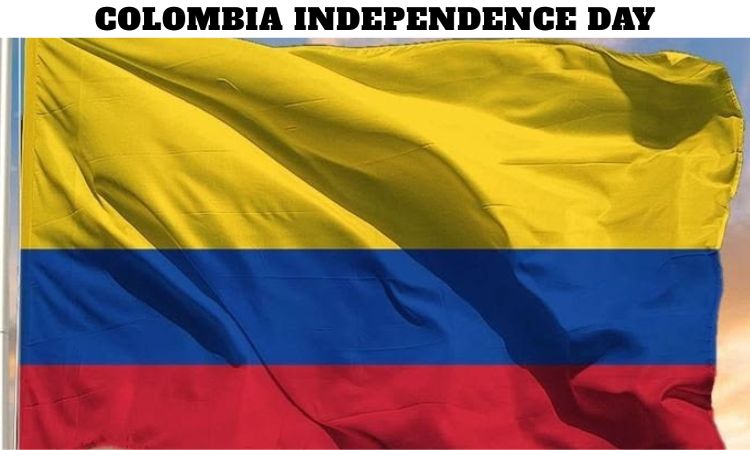
Across cities and towns, Colombians display the national flag on homes, businesses, and public buildings. Streets are decorated in the colors of the Colombian flag: yellow, blue, and red. Cultural festivals feature traditional music, dance performances, and regional folklore.
Families gather for special meals, and many communities organize outdoor events, fairs, and concerts. The holiday is both a solemn remembrance of the independence struggle and a joyful celebration of Colombian culture and unity.
What are some traditional foods enjoyed on Independence Day?
Food plays an important role in Colombia Independence Day celebrations. Different regions of the country have their own specialties, but several dishes are commonly enjoyed during patriotic festivities.
Popular foods include bandeja paisa, a hearty platter featuring beans, rice, meat, plantains, avocado, and egg; ajiaco, a traditional chicken and potato soup from Bogotá; and arepas, corn cakes that accompany many Colombian meals. Empanadas, tamales, and grilled meats are also widely served during family gatherings and public celebrations.
These dishes reflect the diversity of Colombian cuisine and help connect the holiday with regional traditions and local identity.
What role does Simón Bolívar play in Colombia’s Independence Day?
Simón Bolívar is regarded as one of the principal heroes of Colombian independence. Although the July 20 uprising occurred before his greatest military achievements, Bolívar became the leader who transformed the revolutionary movement into a successful campaign for liberation.
During Independence Day ceremonies, speeches often highlight Bolívar’s vision of freedom and unity for Latin America. Monuments, statues, and historical sites dedicated to him become focal points for commemorations. His leadership during the Battle of Boyacá and subsequent campaigns secured the independence of several South American nations, earning him the title “El Libertador,” or “The Liberator.”
Why is Colombia Independence Day important for national identity?
Independence Day serves as a reminder of the sacrifices made by those who fought for freedom and self-government. For Colombians, the holiday represents more than a historical event; it symbolizes national resilience, unity, and the right to determine their own future.
The celebration brings together people from diverse regions, cultures, and backgrounds. Colombia is a country with significant geographic and cultural diversity, and Independence Day provides an opportunity to emphasize the shared values that unite the nation. Through music, history, and public ceremonies, Colombians reaffirm their connection to their country and its democratic traditions.
What are the colors of the Colombian flag and what do they represent?
The Colombian flag consists of three horizontal stripes: a large yellow stripe at the top, followed by blue and red stripes of equal size. The yellow stripe traditionally symbolizes the country’s wealth and natural resources, the blue represents the seas and rivers that connect Colombia to the world, and the red honors the blood shed by those who fought for independence.
During Independence Day, these colors appear everywhere, from public decorations and clothing to official ceremonies and fireworks displays. The flag becomes a powerful visual expression of patriotism and historical remembrance.
How do schools and communities participate in the celebration?
Schools across Colombia play an active role in commemorating Independence Day. Students often participate in parades, historical reenactments, music performances, and educational programs about the independence movement. Teachers use the occasion to discuss the events of 1810 and the broader struggle for freedom in Latin America.
Community organizations also organize local festivals, sports events, cultural exhibitions, and charity activities. In many towns, residents come together to celebrate regional traditions while honoring the national holiday. These local celebrations help preserve historical memory and strengthen community bonds.
What can visitors experience during Colombia Independence Day?
Visitors who travel to Colombia during Independence Day can experience a unique blend of history and celebration. Major cities such as Bogotá, Medellín, Cali, and Cartagena host large public events featuring parades, concerts, and cultural performances. Museums and historical sites often offer special exhibitions related to the independence movement.
Tourists can enjoy traditional Colombian music, sample regional cuisine, and witness the patriotic spirit that fills the streets. The holiday provides an excellent opportunity to learn about Colombia’s past while experiencing the energy and hospitality of its people.
Frequently Asked Questions (FAQs)
1. When is Colombia Independence Day celebrated?
Colombia Independence Day is celebrated every year on July 20.
2. What historical event does July 20 commemorate?
It commemorates the uprising in Bogotá on July 20, 1810, which began Colombia’s independence movement against Spanish rule.
3. Who was Simón Bolívar?
Simón Bolívar was a revolutionary leader known as “The Liberator” who played a major role in securing Colombia’s independence.
4. What is the Florero de Llorente?
It is the flower vase involved in the famous incident that sparked the July 20, 1810 uprising in Bogotá.
5. Is July 20 a public holiday in Colombia?
Yes, July 20 is a national public holiday throughout Colombia.
6. What are common Independence Day celebrations?
Celebrations include military parades, concerts, cultural festivals, flag displays, and family gatherings.
7. What foods are popular during the holiday?
Popular foods include bandeja paisa, ajiaco, arepas, empanadas, and tamales.
8. What do the colors of the Colombian flag represent?
Yellow represents wealth, blue represents waterways and oceans, and red honors those who fought for independence.
9. What was the Battle of Boyacá?
It was a decisive battle fought on August 7, 1819, that secured Colombia’s independence from Spain.
10. Why is Independence Day important to Colombians?
It honors the country’s struggle for freedom and reinforces national pride, unity, and historical identity.