

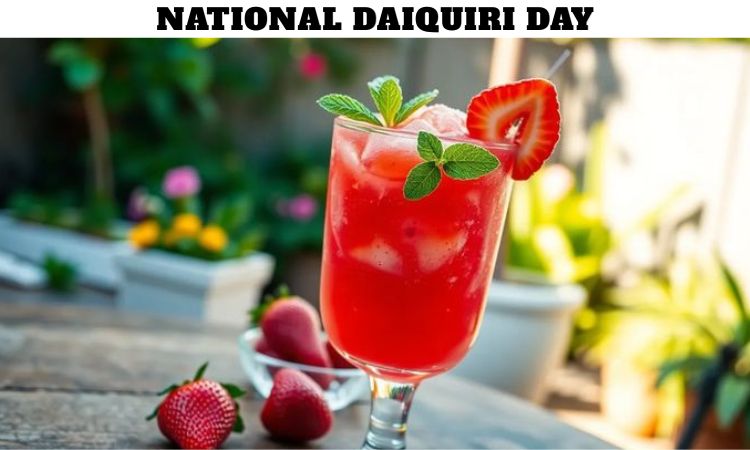
National Daiquiri Day is celebrated every year on July 19 and honors one of the world’s most famous rum-based cocktails. The daiquiri is known for its refreshing combination of rum, citrus juice, and sweetener, creating a balanced drink that has remained popular for more than a century. Whether served in its traditional form or blended with fruit flavors, the daiquiri represents tropical relaxation, summer gatherings, and the rich cocktail heritage of Cuba.
The holiday has become a favorite occasion for cocktail enthusiasts, bartenders, and travelers who appreciate classic mixed drinks. On a warm July day, many people celebrate by enjoying a chilled daiquiri, trying a new variation, or learning more about the drink’s fascinating history. Although the daiquiri is often associated with beach vacations and tropical destinations, its origins are rooted in a specific place and time that helped shape modern cocktail culture.
What is the history of National Daiquiri Day?
The daiquiri originated in Cuba during the late nineteenth century. According to popular accounts, an American mining engineer named Jennings Cox created the drink near the village of Daiquirí in eastern Cuba. When he ran out of gin while entertaining guests, he mixed local rum with lime juice and sugar, producing a simple yet refreshing cocktail. The drink quickly gained popularity among locals and visitors alike.
As travel between Cuba and the United States increased in the early twentieth century, the daiquiri became known internationally. Havana bars began serving the cocktail to tourists, and renowned establishments helped establish its reputation as a sophisticated rum drink. Over time, the daiquiri evolved into several styles, including frozen and fruit-flavored versions that became especially popular in the United States.
National Daiquiri Day was created to recognize the enduring appeal of this classic cocktail and to celebrate its contribution to the world of mixology. Although the exact origins of the holiday itself are unclear, July 19 is now widely observed as a day dedicated to enjoying and appreciating the daiquiri.
What makes a classic daiquiri unique?
The classic daiquiri stands out because of its simplicity. Traditional recipes contain only three main ingredients: white rum, fresh lime juice, and sugar or simple syrup. When shaken with ice and strained into a chilled glass, these ingredients create a drink that is crisp, balanced, and refreshing.
Unlike many modern cocktails that contain multiple mixers and flavorings, the classic daiquiri relies on the quality of its ingredients and the precision of its preparation. The rum provides warmth and character, the lime juice adds brightness and acidity, and the sweetener balances the tartness. This straightforward formula has made the daiquiri a benchmark cocktail that many bartenders use to demonstrate their skills.
Why is the daiquiri associated with Cuba?
Cuba is considered the birthplace of the daiquiri, and the country’s rum-making tradition plays a major role in the drink’s identity. Cuban rum has long been known for its light, smooth character, which pairs naturally with citrus flavors. Havana became a center of cocktail innovation during the early twentieth century, attracting travelers, writers, and celebrities who enjoyed drinks such as the daiquiri and the mojito.
Famous Havana bars, including El Floridita, helped popularize the cocktail around the world. The daiquiri became closely linked with Cuban culture, tropical hospitality, and the vibrant nightlife of Havana. Even today, many people view the drink as a symbol of the Caribbean and of Cuba’s influence on global cocktail traditions.
What are the most popular daiquiri variations?
While the classic version remains highly respected, several variations have gained widespread popularity. The strawberry daiquiri is perhaps the best-known adaptation, blending rum with strawberries, lime juice, sweetener, and ice to create a frozen drink with a vibrant fruity flavor.
Other popular versions include the banana daiquiri, mango daiquiri, and pineapple daiquiri. Frozen daiquiris became especially fashionable during the mid-twentieth century as electric blenders became common in restaurants and homes. These variations introduced the cocktail to a broader audience and helped establish the daiquiri as a staple of summer menus.
Some bartenders also experiment with aged rum, different citrus fruits, or flavored syrups to create modern interpretations while preserving the drink’s core balance of sweet, sour, and spirit-forward flavors.
How do people celebrate National Daiquiri Day?
National Daiquiri Day is often celebrated with gatherings, cocktail tastings, and themed parties. Many bars and restaurants feature special daiquiri menus, offering both traditional and creative versions of the drink. Cocktail enthusiasts may host tasting sessions that compare classic, frozen, and fruit-based daiquiris.
Some people choose to learn about the history of Cuban cocktails, while others experiment with making daiquiris at home using fresh ingredients. Summer celebrations frequently include tropical foods, Caribbean music, and outdoor entertaining, creating an atmosphere that matches the refreshing character of the drink.
For those who prefer nonalcoholic options, mocktail versions made with lime juice, fruit purées, and sparkling water can provide a similar tropical experience without alcohol.
What is the traditional recipe for a classic daiquiri?
A traditional daiquiri recipe typically includes two ounces of white rum, three-quarters of an ounce of fresh lime juice, and three-quarters of an ounce of simple syrup. The ingredients are shaken vigorously with ice until well chilled, then strained into a chilled coupe or cocktail glass.
The key to an excellent daiquiri is fresh lime juice. Bottled lime juice often lacks the bright acidity and aroma that give the cocktail its signature freshness. Properly chilling the glass and balancing the sweetness with the tartness are also important steps in achieving the classic flavor profile.
Why has the daiquiri remained popular for so long?
The daiquiri has endured because it combines simplicity, versatility, and refreshment. Its basic formula is easy to understand, yet small adjustments can create dramatically different results. The drink works well in both upscale cocktail bars and casual beachside settings, making it appealing to a wide range of people.
Its association with tropical vacations and warm weather also contributes to its lasting popularity. During summer months, many people seek light and citrus-forward drinks, and the daiquiri fits that preference perfectly. The cocktail’s rich history and connection to Cuban culture add another layer of appeal for those interested in food and beverage traditions.
What foods pair well with a daiquiri?
The bright citrus flavor of a daiquiri pairs well with seafood, grilled dishes, and tropical fruits. Shrimp, fish tacos, ceviche, and grilled chicken are common choices because the acidity of the lime complements savory flavors. Fruit-based daiquiris often pair nicely with desserts such as key lime pie, coconut cake, or fresh berries.
For a Caribbean-inspired celebration, many people serve plantains, rice dishes, and grilled seafood alongside daiquiris. The cocktail’s refreshing character helps balance spicy foods and rich tropical flavors.
What role did famous writers and celebrities play in the daiquiri’s popularity?
The daiquiri gained additional fame through its association with well-known writers, artists, and public figures who visited Cuba. Ernest Hemingway is perhaps the most famous example. He spent significant time in Havana and became closely linked with a variation of the daiquiri that used less sugar and additional rum.
As stories about these famous patrons spread, the daiquiri developed an image of sophistication and adventure. Tourists visiting Havana often sought out the same bars frequented by writers and celebrities, further increasing the drink’s international reputation.
How can you enjoy National Daiquiri Day responsibly?
Responsible celebration is an important part of any holiday involving alcoholic beverages. Enjoying a daiquiri with food, staying hydrated, and arranging safe transportation are sensible precautions. Many people choose to savor a single well-made cocktail rather than consuming multiple drinks.
Hosting a tasting that includes small portions of different daiquiri styles can be a fun way to appreciate the drink’s variety while drinking moderately. Nonalcoholic versions are also excellent options for guests who do not consume alcohol.
What is the lasting legacy of the daiquiri?
The daiquiri’s legacy extends far beyond its role as a summer cocktail. It helped establish rum as a respected base spirit in international mixology and influenced the development of countless tropical drinks. Its simple structure continues to inspire bartenders, while its Cuban origins remind drink enthusiasts of the cultural exchange that shaped modern cocktail traditions.
National Daiquiri Day on July 19 offers an opportunity to appreciate not only a refreshing drink but also the history, craftsmanship, and global influence behind it. Whether enjoyed in its classic form or as a creative fruit variation, the daiquiri remains a timeless symbol of summer, relaxation, and cocktail culture.
Frequently Asked Questions (FAQs)
1. What is National Daiquiri Day?
National Daiquiri Day is an annual celebration held on July 19 that honors the classic rum-based cocktail known as the daiquiri.
2. When is National Daiquiri Day celebrated?
It is celebrated every year on July 19.
3. Where did the daiquiri originate?
The daiquiri originated in Cuba near the village of Daiquirí in the late nineteenth century.
4. What ingredients are in a classic daiquiri?
A classic daiquiri is made with white rum, fresh lime juice, and sugar or simple syrup.
5. What is the difference between a classic and a frozen daiquiri?
A classic daiquiri is shaken with ice and strained, while a frozen daiquiri is blended with ice to create a slushy texture.
6. What is the most popular fruit daiquiri?
The strawberry daiquiri is widely considered the most popular fruit variation.
7. Why is the daiquiri associated with Cuba?
The drink was created in Cuba and became famous through Havana’s cocktail culture and rum-making tradition.
8. Can a daiquiri be made without alcohol?
Yes, nonalcoholic versions can be made using lime juice, fruit purée, sweetener, and sparkling water or ice.
9. What foods pair well with a daiquiri?
Seafood, grilled dishes, tropical fruits, and citrus-based desserts pair particularly well with a daiquiri.
10. Who helped make the daiquiri famous internationally?
Travelers, bartenders, and notable figures such as writer Ernest Hemingway contributed to the daiquiri’s international popularity.