

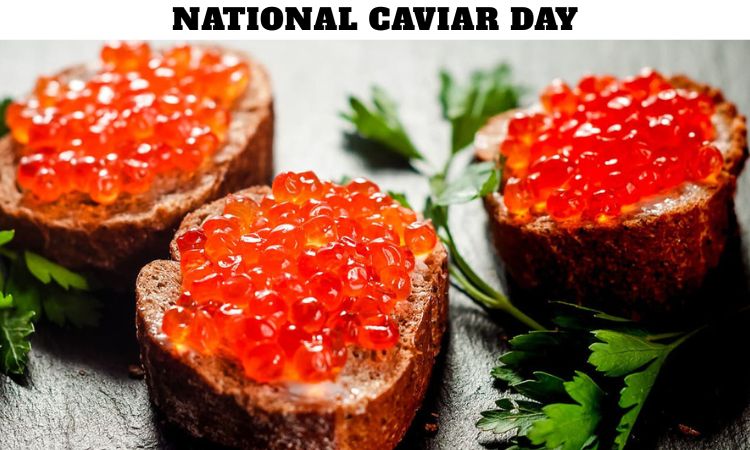
What Is National Caviar Day?
National Caviar Day, celebrated every year on July 18, honors one of the world’s most luxurious and sophisticated delicacies—caviar. Known for its rich flavor, delicate texture, and association with fine dining, caviar has remained a symbol of elegance and culinary excellence for centuries. This special day encourages food enthusiasts, gourmet chefs, and seafood lovers to appreciate the craftsmanship behind authentic caviar while exploring its fascinating history, nutritional value, and modern culinary uses.
Whether served traditionally with blinis and crème fraîche or incorporated into innovative gourmet dishes, caviar continues to captivate food lovers around the globe. National Caviar Day provides the perfect opportunity to indulge in this prized delicacy and discover why it has earned its prestigious reputation.
Why Is National Caviar Day Celebrated on July 18?
National Caviar Day is observed annually on July 18 to recognize the exceptional heritage and culinary importance of caviar. While the exact origin of the observance remains uncertain, the celebration has gained popularity among luxury restaurants, seafood producers, gourmet retailers, and culinary enthusiasts.
The day highlights the artistry involved in producing premium-quality caviar while promoting sustainable harvesting practices that protect endangered sturgeon populations. It also encourages consumers to learn the differences between authentic sturgeon caviar and high-quality caviar alternatives.
What Is Caviar?
Caviar refers specifically to the salt-cured roe (fish eggs) harvested from sturgeon species belonging to the Acipenseridae family. Authentic caviar is carefully processed using minimal salt, allowing the natural flavor and texture of the eggs to shine.
Many fish produce roe, including salmon, trout, paddlefish, and lumpfish. However, these products are technically considered fish roe rather than true caviar. Genuine caviar comes exclusively from sturgeon.
Each pearl of caviar offers a smooth, buttery texture with a distinctive burst of flavor that ranges from mildly nutty to richly briny, depending on the species.
What Is the History of Caviar?
The history of caviar stretches back more than 2,000 years. Ancient Persians were among the first to recognize the nutritional and culinary value of sturgeon roe. They believed it provided strength, endurance, and vitality.
During the Middle Ages, caviar became increasingly popular throughout Europe and eventually became a favorite among Russian royalty. Russian tsars and European aristocrats considered caviar a luxury reserved for the elite, often serving it during grand banquets and diplomatic events.
By the nineteenth century, caviar production expanded into North America, particularly along rivers rich in sturgeon populations. Although caviar was once relatively abundant, increasing demand eventually led to overfishing, making sustainable aquaculture an essential part of today’s industry.
Modern caviar production emphasizes environmental responsibility while preserving the premium quality that has made this delicacy famous worldwide.
Which Types of Caviar Are Most Popular?
Several varieties of authentic caviar are prized for their distinctive flavors, textures, and rarity.
- Beluga Caviar is considered the pinnacle of luxury. Harvested from the Beluga sturgeon, it features large, delicate pearls with a buttery, creamy flavor.
- Ossetra Caviar offers medium-sized eggs with a complex nutty taste and firm texture. It is one of the most sought-after choices among gourmet chefs.
- Sevruga Caviar consists of smaller eggs with a bold, rich, and slightly salty flavor profile that appeals to those who enjoy stronger seafood notes.
- Kaluga Caviar has gained popularity as a sustainable premium alternative to Beluga. It provides a rich, buttery flavor and large pearls.
- Sterlet Caviar is rarer and historically served to European royalty due to its refined taste and delicate texture.
Each variety provides a unique tasting experience, making caviar appreciation similar to wine tasting in terms of flavor complexity and quality.
How Is Authentic Caviar Produced?
Producing premium caviar requires years of careful attention and patience. Sturgeon often require seven to twenty years to reach maturity before producing roe suitable for harvesting.
Once harvested, the roe undergoes meticulous cleaning, grading, and light salting using a traditional process known as Malossol, meaning “little salt.” This technique enhances the natural characteristics of the roe without overwhelming its delicate flavor.
The finished caviar is stored under carefully controlled temperatures to preserve freshness and maintain optimal texture before reaching consumers.
Modern aquaculture has significantly improved sustainability while ensuring consistent quality and protecting endangered wild sturgeon populations.
How Should Caviar Be Served?
Serving caviar properly enhances its refined flavor and luxurious texture.
Caviar should always be served well chilled, but never frozen. It is traditionally presented over crushed ice to maintain freshness throughout the meal.
Experts recommend using mother-of-pearl, bone, glass, or gold spoons rather than silver utensils, which may subtly affect the taste.
Classic accompaniments include lightly toasted blinis, unsalted crackers, fresh crème fraîche, chopped hard-boiled eggs, finely diced onions, and chives. Many connoisseurs also enjoy caviar by itself to fully appreciate its complex flavor profile.
Champagne, sparkling wine, and premium vodka are frequently paired with caviar because their clean flavors complement the richness of the roe.
What Are the Health Benefits of Caviar?
Beyond its luxurious reputation, caviar offers impressive nutritional benefits.
It is an excellent source of high-quality protein, supporting muscle growth and tissue repair.
Caviar contains abundant Omega-3 fatty acids, which contribute to heart health, brain function, and reduced inflammation.
It also provides significant amounts of Vitamin B12, essential for healthy nerve function and red blood cell production.
Other important nutrients include Vitamin D, Vitamin A, Vitamin E, selenium, iron, magnesium, and phosphorus, all of which support overall wellness.
Because caviar contains sodium and cholesterol, moderation remains the best approach for maintaining a balanced diet while enjoying its nutritional advantages.
How Can We Celebrate National Caviar Day?
- National Caviar Day offers numerous ways to appreciate this extraordinary delicacy.
- We can visit fine dining restaurants featuring signature caviar dishes prepared by experienced chefs.
- Hosting a gourmet tasting event allows family and friends to compare different caviar varieties while learning about their unique flavor profiles.
- Preparing elegant appetizers at home using blinis, smoked salmon, crème fraîche, and premium caviar creates a memorable culinary experience.
- Exploring sustainable caviar producers helps support environmentally responsible aquaculture while preserving endangered sturgeon species for future generations.
- Learning about caviar history, production techniques, and global culinary traditions adds educational value to the celebration.
- Sharing the experience with fellow food enthusiasts makes National Caviar Day both enjoyable and culturally enriching.
Why Does Caviar Remain a Symbol of Luxury?
Caviar’s reputation as a luxury food stems from its rarity, meticulous production process, lengthy maturation period, and exceptional flavor.
Unlike many seafood products, authentic caviar requires years of investment before harvesting. Every stage—from raising sturgeon to processing the roe—demands precision, expertise, and strict quality control.
Its limited availability, sophisticated taste, and historical association with royalty have elevated caviar into a global symbol of refinement. Today, it continues to represent celebration, prestige, and exceptional culinary craftsmanship while becoming increasingly accessible through sustainable farming practices.
Frequently Asked Questions (FAQs)
1. When is National Caviar Day celebrated?
National Caviar Day is celebrated annually on July 18.
2. What is authentic caviar?
Authentic caviar is the salt-cured roe harvested exclusively from sturgeon fish.
3. Is salmon roe considered caviar?
No. Salmon roe is classified as fish roe, not true caviar.
4. Which is the most expensive type of caviar?
Beluga caviar is generally regarded as the most expensive and luxurious variety.
5. How should caviar be stored?
Caviar should be refrigerated at very cold temperatures and consumed shortly after opening.
6. What does caviar taste like?
Caviar has a buttery, slightly salty, nutty, and delicately briny flavor with a smooth texture.
7. Is caviar healthy?
Yes. It is rich in protein, Omega-3 fatty acids, Vitamin B12, Vitamin D, selenium, and other essential nutrients.
8. What foods pair well with caviar?
Blinis, toast points, crackers, crème fraîche, eggs, chives, champagne, and vodka pair exceptionally well with caviar.
9. Why is caviar so expensive?
Its high price reflects the lengthy maturation of sturgeon, careful harvesting process, limited supply, and premium quality.
10. How can we celebrate National Caviar Day?
We can celebrate by tasting authentic caviar, visiting gourmet restaurants, hosting caviar tastings, learning about sustainable production, and preparing elegant seafood dishes.