

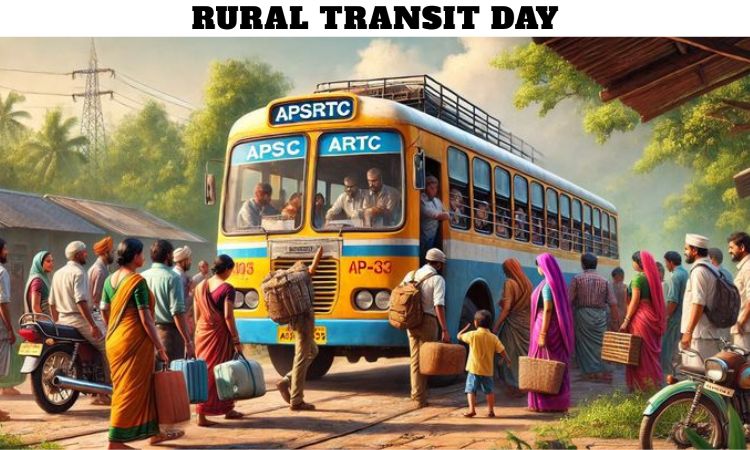
Rural Transit Day, observed on July 16, is a day dedicated to recognizing the importance of transportation services in rural communities. While cities often have extensive public transportation systems, many people living in rural areas depend on limited transit options to access healthcare, education, employment, shopping, and social activities. This observance highlights the challenges faced by rural residents and celebrates the organizations, drivers, and communities working to improve transportation accessibility.
Transportation is a vital part of everyday life, and for rural communities, reliable transit can make the difference between isolation and connection. Many rural areas have large distances between homes, schools, medical facilities, and workplaces, making personal vehicles the primary method of travel. However, not everyone owns a vehicle or can drive due to age, disability, financial limitations, or other circumstances. Rural transit services provide essential mobility solutions that help people maintain independence and participate fully in society.
Rural Transit Day encourages awareness about the role of rural transportation systems and the need for continued investment in accessible, affordable, and dependable transit networks. It recognizes that transportation is not only about moving from one place to another but also about creating opportunities, supporting local economies, and improving quality of life.
What Is the History Behind Rural Transit Day?
The history of Rural Transit Day is connected to the growing recognition of transportation challenges faced by people living outside urban areas. Rural transportation has traditionally received less attention compared to metropolitan transit systems because of lower population density and the higher cost of providing services across larger geographic regions. Over time, transportation advocates, community organizations, and government agencies began emphasizing the importance of rural mobility.
Although transportation awareness events have existed for many years, Rural Transit Day serves as an opportunity to bring attention to rural transit providers and the communities they support. The day recognizes the efforts of local transit agencies, nonprofit organizations, volunteers, and transportation professionals who work to ensure rural residents have access to essential travel options.
Rural transit programs have developed in many forms, including demand-response services, community buses, shared transportation programs, and specialized transportation for seniors and people with disabilities. These services have become an important part of rural infrastructure, helping residents overcome transportation barriers.
Why Is Rural Transit Day Celebrated on July 16?
Rural Transit Day is celebrated on July 16 to create awareness about the unique transportation needs of rural communities. The date provides an opportunity for individuals, organizations, and policymakers to discuss how transportation services can be improved in areas where traditional public transit systems may not be practical.
The observance also recognizes the dedication of rural transit workers who often provide personalized services to passengers. Drivers and transit staff frequently develop strong connections with the communities they serve, offering more than transportation by providing assistance, reliability, and support.
July 16 serves as a reminder that mobility should be accessible to everyone, regardless of where they live. By highlighting rural transportation challenges, the day encourages discussions about solutions that can create stronger and more connected communities.
How Does Rural Transit Support Rural Communities?
Rural transit plays a significant role in supporting the daily lives of people who live in remote and less-populated areas. Many residents rely on transit services to reach medical appointments, grocery stores, workplaces, schools, and government services. Without dependable transportation, individuals may experience difficulty accessing basic necessities.
For older adults, rural transit can provide independence and reduce social isolation. Many seniors living in rural locations may no longer drive, making transportation services essential for maintaining their connection with family, friends, and community activities. Transit programs designed for older adults help them remain active and engaged.
People with disabilities also benefit greatly from accessible rural transportation options. Specialized vehicles and flexible transit services allow individuals with mobility challenges to travel safely and participate in education, employment, and community events.
Rural transit also supports economic development by helping workers reach job opportunities. Employers in rural regions often depend on transportation systems to connect employees with workplaces that may be located far from residential areas.
What Challenges Do Rural Transit Systems Face?
Rural transit systems face several challenges that make providing services more complex than in urban areas. One of the biggest challenges is geographic distance. Rural communities often cover large areas with fewer passengers, making it difficult to operate traditional fixed-route transportation systems.
Funding is another major challenge. Rural transit providers often require financial support to maintain vehicles, hire staff, improve accessibility, and expand services. Limited budgets can make it difficult to meet growing transportation demands.
Another challenge is attracting and retaining qualified drivers and transportation workers. Like many industries, rural transit providers may experience workforce shortages that affect service availability.
Technology access can also create difficulties. While digital scheduling and transportation apps have improved urban transit systems, some rural areas may have limited internet access, making technology-based solutions harder to implement.
Despite these challenges, rural transit organizations continue developing creative approaches, including flexible scheduling, community partnerships, volunteer transportation programs, and shared mobility solutions.
How Can People Celebrate Rural Transit Day?
People can celebrate Rural Transit Day by learning about transportation needs in rural communities and supporting efforts that improve mobility access. Individuals can recognize local transit providers, thank transportation workers, or participate in community discussions about improving rural transportation.
Communities can organize awareness campaigns, educational programs, or public events that highlight the importance of rural transit services. Local leaders and organizations can use the day to discuss transportation improvements and identify ways to better serve residents.
Another meaningful way to observe Rural Transit Day is by supporting programs that assist seniors, people with disabilities, and individuals without personal transportation. Volunteering with community transportation initiatives or sharing information about available transit services can help more people benefit from these resources.
Why Is Rural Transportation Important for Healthcare Access?
Access to healthcare is one of the most important reasons rural transportation systems are needed. Many rural residents live far away from hospitals, clinics, and specialized medical facilities. Without reliable transportation, attending medical appointments can become challenging.
Transportation barriers can lead to missed appointments, delayed treatments, and reduced access to preventive healthcare. Rural transit services help address these issues by providing transportation options for medical visits and health-related activities.
For individuals with chronic health conditions, regular medical care is often necessary. Reliable transportation allows them to receive ongoing treatment and maintain better health outcomes. Rural Transit Day highlights the connection between transportation access and overall community well-being.
How Does Rural Transit Help Reduce Social Isolation?
Social isolation is a serious concern in many rural communities, especially among older adults and people with limited mobility. When transportation options are unavailable, individuals may struggle to visit family members, attend community events, or participate in social activities.
Rural transit helps reduce isolation by creating opportunities for people to stay connected. Transportation services allow residents to attend cultural events, community gatherings, religious activities, and recreational programs.
By improving mobility, rural transit strengthens community relationships and helps people maintain a sense of belonging. Rural Transit Day recognizes transportation as an important tool for building healthier and more connected communities.
What Is the Future of Rural Transit?
The future of rural transit will likely involve innovation, collaboration, and improved technology. Many communities are exploring new transportation models that provide more flexible and efficient services.
On-demand transit, electric vehicles, improved scheduling systems, and partnerships between organizations may help rural areas create better transportation networks. These approaches can make services more convenient while addressing challenges related to distance and limited resources.
Investment in rural transportation infrastructure will continue to play an important role in supporting economic growth, healthcare access, and community development. Rural Transit Day encourages continued efforts to create transportation systems that serve everyone.
Why Should Everyone Recognize Rural Transit Day?
Rural Transit Day is important because it reminds society that transportation access is a basic need that affects education, employment, healthcare, and personal independence. While transportation challenges may look different in rural areas compared to cities, the importance of mobility remains the same.
Recognizing this day helps bring attention to rural communities and the people who work to keep them connected. It encourages support for transportation programs that improve lives and create equal opportunities.
By understanding the value of rural transit, individuals and communities can help promote a future where everyone has access to safe, reliable, and affordable transportation options.
Frequently Asked Questions (FAQs)
1. What is Rural Transit Day?
Rural Transit Day is an observance that highlights the importance of transportation services in rural communities. It recognizes the role of rural transit systems in providing access to healthcare, education, employment, and essential services.
2. When is Rural Transit Day celebrated?
Rural Transit Day is celebrated annually on July 16.
3. Why is rural transportation important?
Rural transportation is important because it connects people with essential services, reduces isolation, supports employment opportunities, and improves quality of life for rural residents.
4. Who benefits from rural transit services?
Rural transit services benefit seniors, people with disabilities, students, workers, individuals without personal vehicles, and anyone who needs reliable transportation options.
5. How can communities celebrate Rural Transit Day?
Communities can celebrate by recognizing transit workers, promoting awareness about rural transportation needs, supporting local transit programs, and discussing ways to improve mobility.
6. What are common types of rural transit services?
Common rural transit services include community buses, demand-response transportation, shared rides, volunteer driver programs, and specialized transportation for seniors and people with disabilities.
7. What challenges do rural transit systems face?
Rural transit systems often face challenges such as limited funding, large travel distances, fewer passengers, workforce shortages, and difficulty implementing advanced technology.
8. How does rural transit support healthcare access?
Rural transit helps people travel to medical appointments, hospitals, and healthcare facilities, ensuring they can receive necessary treatments and preventive care.
9. Can rural transit help the economy?
Yes, rural transit supports economic growth by helping workers reach jobs, connecting businesses with employees, and improving access to local markets.
10. How can individuals support Rural Transit Day?
Individuals can support Rural Transit Day by learning about rural transportation issues, appreciating transit workers, sharing awareness, and supporting community transportation programs.