

What Is Bastille Day and Why Is It Celebrated on July 14?
Bastille Day, celebrated every year on July 14, is the national day of France and one of the most important historical celebrations in the country. Known as “La Fête Nationale” in French, this holiday commemorates the storming of the Bastille prison on July 14, 1789, an event that became a powerful symbol of the French Revolution. The day represents the fight against absolute monarchy, the desire for freedom, and the beginning of major political and social changes that transformed France.
Although the Bastille was a prison, its importance went beyond its function as a place of detention. For many French citizens in the late 18th century, it represented the power and authority of King Louis XVI’s government. The fortress became a symbol of royal oppression, inequality, and the privileges enjoyed by the aristocracy. When revolutionaries attacked and captured the Bastille, it marked a turning point in French history and demonstrated the power of ordinary citizens demanding change.
Today, Bastille Day is celebrated throughout France and by French communities around the world. The holiday honors values that became associated with the French Revolution, including liberty, equality, and fraternity. It is a day of national pride, remembrance, and celebration.
How Did the Storming of the Bastille Lead to the French Revolution?
The storming of the Bastille occurred during a period of severe economic and political problems in France. In the years before 1789, France faced huge financial difficulties caused by expensive wars, government debt, and poor harvests that increased food prices. Many ordinary people struggled to afford basic necessities, while the monarchy and wealthy elites continued to enjoy significant privileges.
Growing dissatisfaction led representatives of the Third Estate, which included common citizens, merchants, and professionals, to demand political reforms. In June 1789, they formed the National Assembly and called for a new system of government. Tensions increased when King Louis XVI moved troops near Paris, creating fears that he would attempt to suppress the growing movement.
On July 14, 1789, thousands of Parisians gathered and attacked the Bastille in search of weapons and gunpowder. After hours of fighting, revolutionaries captured the fortress and released prisoners held there. Although only a small number of prisoners were inside at the time, the event had enormous symbolic importance. It showed that the people could challenge royal authority and inspired revolutionary movements across France.
The fall of the Bastille became one of the earliest and most recognizable events of the French Revolution. It represented the collapse of the old system and the beginning of a new era focused on citizenship and political rights.
Why Is Bastille Day Important in French History?
Bastille Day is important because it represents a major transformation in France’s political and social structure. Before the French Revolution, France operated under a monarchy where the king held significant power. Society was divided into three estates, and many privileges belonged to the clergy and nobility, while the majority of the population carried heavy economic burdens.
The revolution introduced new ideas about government, citizenship, and individual rights. The Declaration of the Rights of Man and of the Citizen, adopted in 1789, became one of the most influential documents of the period. It promoted principles such as equality before the law, freedom of expression, and the idea that government authority comes from the people.
Over time, the French Revolution influenced democratic movements around the world. The ideas associated with the revolution shaped modern discussions about human rights, political representation, and equality. Bastille Day serves as a reminder of the importance of these principles and the ongoing pursuit of freedom and justice.
How Did Bastille Day Become France’s Official National Holiday?
Although the storming of the Bastille happened in 1789, Bastille Day was not immediately established as France’s national holiday. For many years after the revolution, France experienced political changes, including the rise of Napoleon Bonaparte, the return of monarchies, and the establishment of new governments.
The French government officially declared July 14 as the national holiday of France in 1880. The decision was made during the French Third Republic, a period when leaders wanted to strengthen national unity and celebrate republican values. The holiday was chosen not only to remember the storming of the Bastille but also to honor the first anniversary of the Federation Festival held on July 14, 1790, which celebrated unity among French citizens.
Since then, July 14 has remained a major national celebration in France. It has become a symbol of French identity, combining historical remembrance with modern celebrations of culture and community.
How Do People Celebrate Bastille Day in France?
Bastille Day celebrations take place across France with a combination of official ceremonies, public events, and cultural activities. The largest and most famous celebration happens in Paris, where a grand military parade is held on the Champs-Élysées. The parade features French armed forces, military aircraft, and national leaders. It is one of the oldest and most recognized military parades in the world.
Fireworks are another major part of Bastille Day celebrations. The most famous fireworks display takes place near the Eiffel Tower, attracting thousands of spectators every year. The colorful show celebrates French history, culture, and national pride.
Communities throughout France organize concerts, street festivals, dances, and public gatherings. Many towns hold traditional dances known as “bals des pompiers,” or firefighters’ balls, where people gather to enjoy music and entertainment. Public buildings are often decorated with French flags, and people participate in celebrations with family and friends.
What Are the Symbols Associated With Bastille Day?
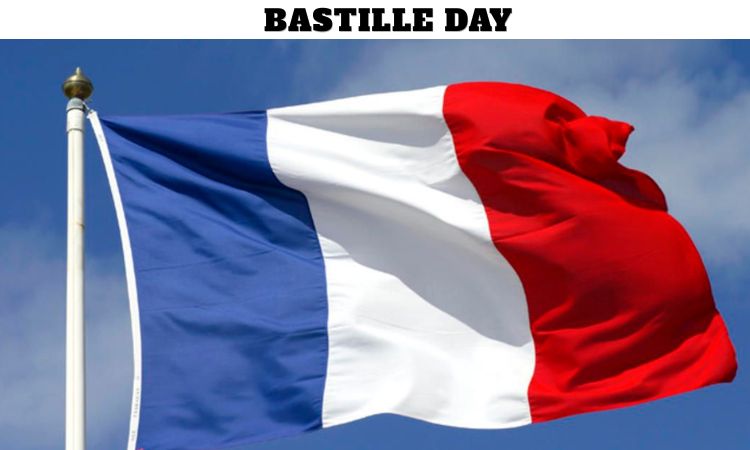
Several symbols are closely connected with Bastille Day and French national identity. The French flag, known as the Tricolore, is one of the most important symbols displayed during celebrations. Its blue, white, and red colors represent the nation and its revolutionary history.
The motto “Liberté, Égalité, Fraternité,” meaning “Liberty, Equality, Fraternity,” is another important symbol of the values connected with the French Republic. The motto reflects the principles that inspired the revolution and continue to influence French society today.
The Eiffel Tower has also become strongly associated with Bastille Day celebrations because of the famous fireworks display held there each year. The structure represents French culture, innovation, and international recognition.
How Is Bastille Day Celebrated Outside France?
Bastille Day is celebrated by French communities and Francophiles around the world. Countries with large French populations often organize cultural events, food festivals, concerts, and educational programs to recognize the occasion.
In cities such as New York, London, Montreal, and Sydney, people celebrate with French cuisine, music, art exhibitions, and gatherings that highlight French culture. Restaurants may offer special French menus featuring traditional dishes such as pastries, cheese, and regional specialties.
International celebrations provide an opportunity for people to learn about French history and appreciate the cultural influence of France around the world. The holiday has become a global celebration of French heritage and values.
What Food and Traditions Are Connected With Bastille Day?
Food plays an important role in Bastille Day celebrations because French cuisine is an essential part of the country’s cultural identity. Many families celebrate the holiday with meals featuring traditional French dishes, including baguettes, cheeses, pastries, seafood, and regional specialties.
Outdoor gatherings and picnics are common during the holiday. People often spend time with family and friends while enjoying French food and drinks. Bakeries and restaurants may create special offerings to mark the occasion.
Traditional music, dancing, and community events also contribute to the festive atmosphere. Bastille Day is not only a historical remembrance but also a celebration of French lifestyle, creativity, and cultural traditions.
Why Does Bastille Day Continue to Matter Today?
Bastille Day continues to matter because it represents ideas that remain important in modern society. The celebration reminds people of the importance of freedom, equality, and the ability of citizens to influence their government.
The events of 1789 changed France and influenced political developments worldwide. While the French Revolution was complex and included periods of violence and uncertainty, its impact on modern concepts of democracy and human rights remains significant.
For French citizens, Bastille Day is a time to celebrate national unity and reflect on the history that shaped their country. For people around the world, it is an opportunity to learn about one of history’s most influential revolutions and the values that emerged from it.
Frequently Asked Questions (FAQs)
1. When is Bastille Day celebrated?
Bastille Day is celebrated every year on July 14. It is France’s national holiday and commemorates the storming of the Bastille prison on July 14, 1789.
2. Why is Bastille Day called Bastille Day?
The holiday is called Bastille Day because it remembers the storming and capture of the Bastille fortress during the French Revolution. The event became a symbol of resistance against monarchy.
3. Is Bastille Day a public holiday in France?
Yes, Bastille Day is an official public holiday in France. Government offices, schools, and many businesses are closed on July 14.
4. What happened at the Bastille on July 14, 1789?
Revolutionaries attacked the Bastille prison in Paris to obtain weapons and gunpowder. The capture of the fortress became a symbol of the French Revolution.
5. When did Bastille Day become an official holiday?
Bastille Day became France’s official national holiday in 1880 during the French Third Republic.
6. How do French people celebrate Bastille Day?
French people celebrate with military parades, fireworks, concerts, community festivals, dances, and family gatherings.
7. Where is the biggest Bastille Day celebration held?
The largest Bastille Day celebration takes place in Paris, including the famous military parade on the Champs-Élysées and fireworks near the Eiffel Tower.
8. What is the French name for Bastille Day?
The French name for Bastille Day is “La Fête Nationale,” which means “The National Celebration.”
9. What values does Bastille Day represent?
Bastille Day represents liberty, equality, and fraternity, which are the traditional values of the French Republic.
10. Do other countries celebrate Bastille Day?
Yes, French communities and people interested in French culture around the world celebrate Bastille Day through cultural events, food festivals, and gatherings.