

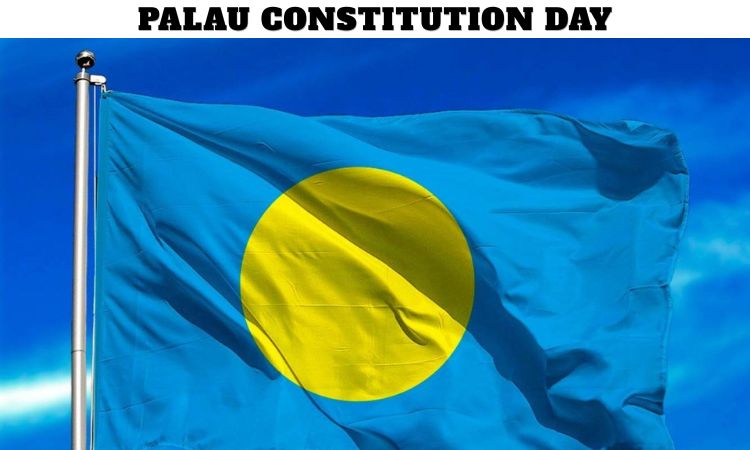
Why is Palau Constitution Day celebrated on July 9?
Palau Constitution Day is observed every year on July 9 to commemorate the adoption of the Constitution of the Republic of Palau. This important national day marks the moment when the people of Palau approved their constitution through a national referendum in 1980. The constitution became a symbol of the country’s determination to establish democratic governance, protect its natural environment, preserve its cultural identity, and secure the rights of its citizens.
Although Palau officially gained independence in 1994 after entering into the Compact of Free Association with the United States, Constitution Day celebrates the foundation upon which the modern nation was built. The constitution laid the legal and political framework that would eventually guide the country toward full sovereignty. Every year, the celebration reminds Palauans of the importance of democracy, unity, justice, and responsible leadership.
Constitution Day is one of the country’s significant civic observances because it highlights the values that define the Republic of Palau. Schools, government institutions, and communities use the occasion to educate younger generations about the nation’s history and the principles that continue to shape its future.
What is the history behind Palau Constitution Day?
The history of Palau Constitution Day is closely connected with Palau’s journey toward self-government. For centuries, the islands were home to indigenous communities with their own systems of leadership, customs, and traditions. During different periods of history, Palau came under the control of Spain, Germany, Japan, and later the United States after World War II.
Following the war, Palau became part of the Trust Territory of the Pacific Islands administered by the United States under a United Nations trusteeship. As global movements for self-determination gained momentum during the twentieth century, the people of Palau began exploring ways to govern themselves independently.
In the late 1970s, constitutional delegates gathered to draft a constitution that reflected Palau’s unique culture while embracing democratic ideals. The resulting document was remarkable because it combined modern constitutional principles with traditional values that had guided Palauan society for generations.
On July 9, 1980, the constitution was approved through a public referendum. This historic vote demonstrated the commitment of Palauan citizens to establishing a government based on law, accountability, and the protection of individual rights. The constitution later became the legal foundation upon which the Republic of Palau formally achieved independence in 1994.
The annual celebration of Constitution Day honors not only the document itself but also the democratic participation of the people who helped shape their nation’s future.
What makes the Constitution of Palau unique?
The Constitution of Palau is widely recognized for several distinctive features that set it apart from many constitutions around the world. One of its most remarkable aspects is its strong commitment to environmental protection. Palau’s people have long understood the importance of preserving the islands’ oceans, forests, coral reefs, and biodiversity, and these values are reflected in the constitution.
The constitution also places significant emphasis on human rights, democratic governance, separation of powers, and the rule of law. It establishes executive, legislative, and judicial branches while ensuring checks and balances among them.
Another unique feature is the recognition of traditional leadership. While Palau operates as a democratic republic, the constitution respects customary chiefs and traditional practices that continue to play an important role in local communities. This balance between modern government and cultural heritage helps preserve Palau’s identity while supporting national development.
The constitution further guarantees freedoms such as freedom of speech, religion, and assembly while outlining the responsibilities of government officials to serve the public honestly and transparently.
Why is Constitution Day important for the people of Palau?
Constitution Day represents much more than the anniversary of a legal document. It symbolizes the aspirations, resilience, and unity of the Palauan people. The day reminds citizens that democracy depends upon participation, accountability, and respect for the law.
For many Palauans, the celebration is an opportunity to reflect on the nation’s progress since adopting the constitution. It also encourages discussions about civic responsibility, good governance, and national development.
The constitution protects the rights of every citizen while providing mechanisms for peaceful political participation and the fair administration of justice. These protections contribute to social stability and public confidence in democratic institutions.
Constitution Day also strengthens national identity by bringing communities together to celebrate shared values, history, and achievements. It encourages younger generations to understand how previous leaders and citizens worked together to establish an independent and democratic nation.
How do people celebrate Palau Constitution Day?
Palau Constitution Day is celebrated with a variety of official ceremonies, educational activities, and community gatherings across the country. Government leaders often deliver speeches highlighting the significance of the constitution and the importance of preserving democratic values.
Schools organize programs where students learn about the country’s constitutional history through essays, debates, cultural performances, and presentations. These educational activities help young people appreciate the responsibilities of citizenship.
Communities frequently hold cultural events featuring traditional music, dance, storytelling, and local cuisine. These celebrations showcase Palau’s rich heritage while emphasizing the connection between cultural traditions and constitutional values.
Public buildings may display the national flag, while civic organizations host discussions about governance, environmental protection, and the future of the nation. Families often spend the holiday together, reflecting on the country’s achievements and participating in local festivities.
Although Constitution Day is a formal national observance, it is also a celebration of Palauan culture, unity, and optimism for the future.
How did the Constitution contribute to Palau’s independence?
The Constitution played a critical role in Palau’s path toward becoming an independent nation. Before independence, Palau needed a comprehensive legal framework capable of supporting self-government and protecting the interests of its citizens.
By approving the constitution in 1980, the people demonstrated their readiness to govern themselves through democratic institutions. The document established the structure of government, outlined citizens’ rights, and created procedures for elections, legislation, and judicial review.
Over the following years, Palau negotiated the terms of its future relationship with the United States through the Compact of Free Association. After several referendums and years of political discussions, Palau officially became an independent republic on October 1, 1994.
Without the constitutional framework established years earlier, the transition to full sovereignty would have been far more difficult. Constitution Day therefore recognizes one of the most significant milestones in Palau’s nation-building journey.
What values are reflected in Palau’s Constitution?
Palau’s Constitution reflects values that have guided its society for generations while embracing modern democratic principles. Respect for human dignity forms one of its central foundations, ensuring equal rights and legal protections for citizens.
Democracy and public participation are also key principles. Citizens are encouraged to participate in elections and civic life while holding government officials accountable for their actions.
Environmental stewardship occupies a particularly important place in Palau’s constitutional philosophy. Recognizing the islands’ dependence on healthy marine ecosystems and natural resources, the constitution emphasizes conservation and sustainable development.
The constitution also values cultural preservation by recognizing traditional customs and leadership structures. This approach helps ensure that modernization does not come at the expense of Palau’s unique cultural identity.
Justice, transparency, equality, and national unity remain guiding principles that continue to influence public life in Palau today.
How does Constitution Day educate future generations?
Constitution Day serves as an important educational opportunity for students and young citizens. Schools incorporate lessons about constitutional history, democratic government, and civic responsibility into classroom activities surrounding the holiday.
Teachers encourage students to explore how the constitution affects their daily lives, protects their freedoms, and shapes government decision-making. Competitions, debates, speeches, and essay-writing activities help students engage more deeply with constitutional principles.
Many educational programs also highlight the historical struggles that led to self-government and independence. Learning about these events helps younger generations appreciate the sacrifices and determination of earlier leaders and citizens.
By connecting history with present-day responsibilities, Constitution Day helps cultivate informed, responsible, and engaged future citizens.
What role does culture play during Constitution Day celebrations?
Culture plays an essential role in Constitution Day because Palau’s constitution itself recognizes the importance of preserving traditional customs and community values. During celebrations, cultural performances often accompany official ceremonies, creating a meaningful connection between national identity and democratic governance.
Traditional dances, music, handicrafts, storytelling, and local foods are commonly featured during community gatherings. These cultural expressions celebrate Palau’s heritage while reminding citizens that the constitution was designed to protect not only political freedoms but also cultural traditions.
Elders often share stories about Palau’s history and explain how traditional leadership has contributed to community harmony for generations. This exchange of knowledge strengthens relationships between older and younger generations while reinforcing national pride.
The combination of civic education and cultural celebration makes Constitution Day both a patriotic and deeply meaningful event for Palauan society.
Why does Palau Constitution Day continue to matter today?
More than four decades after the constitution was adopted, Constitution Day remains highly relevant. Modern societies face changing political, environmental, economic, and technological challenges that require strong democratic institutions and informed citizens.
The holiday reminds Palauans that constitutional principles continue to guide government decisions, protect civil liberties, and promote accountability. It also reinforces the importance of peaceful democratic processes in resolving national issues.
As climate change increasingly affects island nations, Palau’s constitutional commitment to environmental protection has gained even greater international significance. The country’s leadership in marine conservation demonstrates how constitutional values can influence national policies and global environmental efforts.
Constitution Day encourages citizens to remain engaged in public life while preserving the democratic institutions that have supported Palau’s stability and development. By honoring both history and future aspirations, the holiday continues to unite the nation around shared principles of freedom, responsibility, and cultural pride.
Frequently Asked Questions (FAQs)
1. When is Palau Constitution Day celebrated?
Palau Constitution Day is celebrated every year on July 9.
2. What does Palau Constitution Day commemorate?
It commemorates the adoption of the Constitution of the Republic of Palau through a national referendum in 1980.
3. Is Constitution Day a public holiday in Palau?
Yes, Constitution Day is observed as a national public holiday.
4. When was Palau’s Constitution approved?
The Constitution was approved by referendum on July 9, 1980.
5. When did Palau become an independent nation?
Palau became an independent republic on October 1, 1994.
6. Why is Palau’s Constitution considered unique?
It is known for its strong environmental protections, democratic principles, and recognition of traditional leadership.
7. How do people celebrate Constitution Day in Palau?
People celebrate with official ceremonies, educational programs, cultural performances, community events, and family gatherings.
8. Why is environmental protection important in Palau’s Constitution?
The Constitution reflects the nation’s commitment to preserving its natural resources and marine ecosystems for future generations.
9. What values does the Constitution promote?
It promotes democracy, justice, human rights, transparency, environmental conservation, and cultural preservation.
10. Why is Constitution Day important for young people?
It teaches them about their country’s history, democratic values, civic responsibilities, and the importance of protecting constitutional rights.