

What Is Malawi Independence Day?
Malawi Independence Day, celebrated every year on July 6, commemorates the country’s independence from British colonial rule in 1964. It is one of Malawi’s most significant national holidays, honoring the nation’s journey to self-governance, freedom, and national unity.
The day marks the birth of the independent nation formerly known as Nyasaland, which officially became the Republic of Malawi after achieving sovereignty. Independence represented the culmination of years of political activism, negotiations, and determination by Malawians seeking the right to govern their own country.
Today, Malawi Independence Day is celebrated with patriotic ceremonies, cultural festivals, parades, traditional music and dance, educational events, and community gatherings. The holiday reminds citizens of the sacrifices made by earlier generations while encouraging national pride and continued progress.
Why Is Malawi Independence Day Celebrated on July 6?
Malawi celebrates Independence Day on July 6 because this is the date in 1964 when the country officially gained independence from the United Kingdom.
Before independence, the territory was known as the British Protectorate of Nyasaland. After years of constitutional reforms and growing demands for self-rule, Nyasaland became the independent nation of Malawi on July 6, 1964.
The event marked a turning point in the country’s history, giving Malawians the opportunity to determine their own political, economic, and social future.
Every year, July 6 serves as a reminder of the importance of freedom, national identity, democracy, and unity.
How Did Malawi Gain Independence?
The road to independence was shaped by decades of political development and growing nationalist movements.
During the late nineteenth century, Britain established control over the territory that became known as the Nyasaland Protectorate. Colonial administration influenced many aspects of political and economic life, while local communities increasingly advocated for greater participation in governance.
In the 1950s, opposition grew against the Federation of Rhodesia and Nyasaland, a political union that many Malawians believed limited their aspirations for self-government.
The Malawi Congress Party, under the leadership of Dr. Hastings Kamuzu Banda, became the leading force in the independence movement. Through political organization, negotiations, and public support, the movement successfully achieved independence on July 6, 1964.
Two years later, in 1966, Malawi officially became a republic.
Who Played a Major Role in Malawi’s Independence?
The most prominent figure in Malawi’s independence movement was Dr. Hastings Kamuzu Banda.
After returning to Nyasaland from abroad, Banda became an influential leader advocating for political reform and independence. His leadership helped unite many Malawians behind the goal of national self-rule.
Other political leaders, activists, and ordinary citizens also contributed to the independence movement by participating in peaceful campaigns, community organizing, and political discussions that strengthened the desire for sovereignty.
Although Banda later became Malawi’s first President, Independence Day recognizes the collective efforts of all those who contributed to building the nation.
Why Is Malawi Independence Day Important?
Independence Day represents far more than a historical anniversary.
The holiday celebrates:
- National sovereignty.
- Political freedom.
- Unity.
- Self-determination.
- Democratic development.
- Cultural heritage.
- National pride.
- Economic aspirations.
- Peace.
- Progress.
It offers citizens an opportunity to reflect on the country’s achievements while recognizing the importance of working together to overcome modern challenges.
The observance also helps younger generations understand Malawi’s history and appreciate the value of independence.
How Is Malawi Independence Day Celebrated?
Malawi Independence Day is celebrated across the country with a variety of patriotic and cultural events.
Typical celebrations include:
- Flag-raising ceremonies.
- Presidential speeches.
- Military parades.
- Cultural festivals.
- Traditional dance performances.
- Music concerts.
- School programs.
- Sporting events.
- Community gatherings.
- Fireworks in some locations.
Government officials often address the nation, highlighting national accomplishments and outlining future development goals.
Schools organize educational activities that teach students about Malawi’s independence movement, national heroes, and civic responsibilities.
Families and communities gather to celebrate together, strengthening national unity and cultural identity.
What Are Malawi’s National Symbols?
Several important symbols represent Malawi’s identity and independence.
These include:
- The national flag.
- The national coat of arms.
- The national anthem.
- The rising sun symbol.
- Traditional cultural attire.
- National monuments.
- Independence memorials.
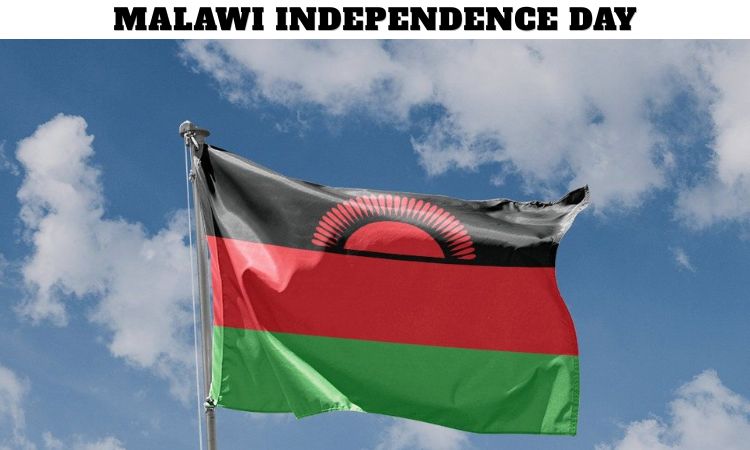
Malawi’s flag features black, red, and green horizontal stripes, with a rising red sun symbolizing hope and the dawn of freedom.
These symbols are prominently displayed during Independence Day celebrations throughout the country.
What Makes Malawi’s Culture Unique?
Malawi is known for its welcoming people and rich cultural traditions.
The country is home to numerous ethnic communities, each contributing unique customs, languages, music, and artistic traditions.
Important cultural elements include:
- Traditional dances.
- Drumming.
- Storytelling.
- Wood carving.
- Basket weaving.
- Community festivals.
- Folk music.
- Ceremonial attire.
- Oral traditions.
- Hospitality.
Malawi is often referred to as the “Warm Heart of Africa” because of the friendliness and generosity of its people.
National celebrations provide opportunities to showcase this rich cultural diversity through performances and exhibitions.
What Foods Are Enjoyed During Independence Day Celebrations?
Food plays an important role in family and community celebrations across Malawi.
Popular traditional dishes include:
- Nsima.
- Chambo fish.
- Bean stews.
- Pumpkin leaves.
- Cassava.
- Sweet potatoes.
- Rice dishes.
- Goat meat.
- Groundnut sauces.
- Fresh tropical fruits.
Communal meals bring families and neighbors together while celebrating the country’s culinary traditions.
Agriculture remains an important part of Malawi’s economy, and many traditional dishes reflect locally grown ingredients.
What Are Some Interesting Facts About Malawi?
Malawi has many unique characteristics that make it an important African nation.
Interesting facts include:
- Malawi gained independence on July 6, 1964.
- The country was formerly called Nyasaland.
- Malawi became a republic in 1966.
- Lake Malawi is one of Africa’s largest freshwater lakes.
- The country is known as the “Warm Heart of Africa.”
- Chambo is one of Malawi’s best-known fish.
- Agriculture is a major part of the economy.
- Malawi is home to diverse wildlife and national parks.
- English and Chichewa are official languages.
- Independence Day is one of the country’s most important public holidays.
How Can People Celebrate Malawi Independence Day?
Whether in Malawi or abroad, there are many meaningful ways to observe the holiday.
People can:
- Learn about Malawi’s history.
- Read about the independence movement.
- Explore Malawian culture.
- Listen to traditional music.
- Prepare Malawian cuisine.
- Attend cultural events.
- Visit museums.
- Support Malawian artists.
- Share educational resources.
- Reflect on the importance of freedom and unity.
These activities promote greater appreciation of Malawi’s heritage and contributions to Africa.
Why Does Malawi Independence Day Continue to Matter Today?
More than six decades after independence, Malawi Independence Day continues to symbolize freedom, resilience, and national identity.
The holiday encourages citizens to celebrate their history while looking toward a future built on education, economic opportunity, democratic values, and peaceful cooperation.
It also honors the sacrifices of those who helped secure independence and inspires future generations to contribute positively to the nation’s development.
By commemorating July 6 each year, Malawi reaffirms its commitment to unity, progress, and preserving the cultural heritage that makes the nation unique.
In conclusion, Malawi Independence Day, celebrated annually on July 6, marks the historic moment in 1964 when the nation gained independence from British colonial rule and began its journey as a sovereign state. The holiday honors the vision, determination, and sacrifices of the leaders and citizens who worked toward self-governance while celebrating Malawi’s rich cultural heritage and national identity. Through flag-raising ceremonies, parades, traditional music and dance, educational programs, and community gatherings, Malawians reflect on their shared history and aspirations for the future. As the nation continues to grow and develop, Malawi Independence Day remains a powerful symbol of freedom, unity, resilience, and the enduring spirit of the “Warm Heart of Africa.”
Frequently Asked Questions (FAQs)
1. When is Malawi Independence Day celebrated?
Malawi Independence Day is celebrated every year on July 6.
2. What does Malawi Independence Day commemorate?
It commemorates Malawi’s independence from British colonial rule on July 6, 1964.
3. What was Malawi called before independence?
Before independence, Malawi was known as Nyasaland.
4. Who led Malawi’s independence movement?
Dr. Hastings Kamuzu Banda was the leading figure in Malawi’s independence movement.
5. How is Malawi Independence Day celebrated?
People celebrate with flag ceremonies, military parades, cultural festivals, music, traditional dances, educational activities, and community gatherings.
6. What are Malawi’s official languages?
Malawi’s official languages are English and Chichewa.
7. Why is Malawi called the Warm Heart of Africa?
The nickname reflects the friendliness, hospitality, and welcoming nature of the Malawian people.
8. What is Malawi famous for?
Malawi is famous for Lake Malawi, its welcoming people, rich cultural traditions, wildlife, and beautiful landscapes.
9. What traditional foods are popular in Malawi?
Popular dishes include nsima, chambo fish, bean stews, pumpkin leaves, cassava, and groundnut-based meals.
10. Why is Malawi Independence Day important?
It celebrates freedom, national unity, self-governance, and the country’s ongoing development.