

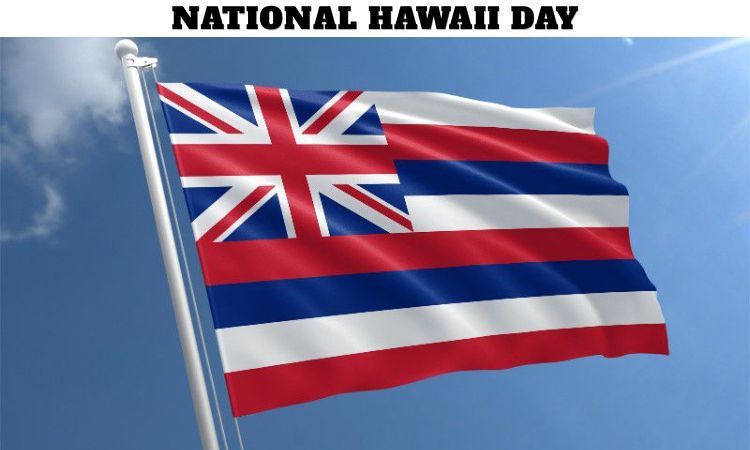
What Is National Hawaii Day?
National Hawaii Day, celebrated annually on July 5, honors the rich history, breathtaking landscapes, vibrant culture, and unique heritage of the 50th U.S. state. As part of the National Day Calendar’s series recognizing every U.S. state, this observance highlights everything that makes Hawaii one of the world’s most admired destinations.
Known as the Aloha State, Hawaii is famous for its tropical beaches, volcanic landscapes, lush rainforests, diverse marine life, and warm hospitality. National Hawaii Day offers an opportunity for residents and visitors alike to appreciate the islands’ natural beauty, indigenous traditions, multicultural communities, and lasting contributions to American history and culture.
Whether you’ve visited Hawaii before or dream of exploring its islands one day, National Hawaii Day encourages everyone to learn more about this extraordinary Pacific paradise.
Why Is National Hawaii Day Celebrated?
National Hawaii Day celebrates the history, culture, traditions, and natural wonders of Hawaii while recognizing its unique place within the United States.
The observance honors:
- Hawaii’s cultural diversity.
- Native Hawaiian heritage.
- Spectacular landscapes.
- Historical significance.
- Traditional arts and music.
- Local cuisine.
- Environmental conservation.
- Tourism and hospitality.
- Community spirit.
- The welcoming meaning of “Aloha.”
Unlike statehood celebrations, National Hawaii Day focuses on appreciating Hawaii’s identity, people, and contributions rather than commemorating a specific historical event.
The day inspires greater understanding of Hawaiian traditions while encouraging responsible travel and respect for local customs.
How Did Hawaii Become Part of the United States?
Hawaii has a long and fascinating history that stretches back centuries before becoming part of the United States.
Polynesian voyagers first settled the Hawaiian Islands more than one thousand years ago, developing a rich culture based on navigation, agriculture, fishing, and community values.
In 1778, British explorer Captain James Cook became the first documented European to reach the islands. During the late eighteenth century, King Kamehameha I united the Hawaiian Islands into a single kingdom.
Throughout the nineteenth century, Hawaii developed strong international trade relationships while remaining an independent monarchy.
Following political changes in the 1890s, Hawaii became a U.S. territory in 1898. On August 21, 1959, Hawaii officially became the 50th state of the United States, marking an important chapter in American history.
Today, Hawaii proudly preserves its Native Hawaiian heritage while embracing its multicultural identity.
What Makes Hawaii Unique Among U.S. States?
Hawaii stands apart from every other U.S. state for many reasons.
It is:
- The only U.S. state located entirely in the Pacific Ocean.
- The only state made up entirely of islands.
- The southernmost U.S. state.
- Home to active volcanoes.
- Rich in Polynesian cultural traditions.
- Surrounded by coral reefs.
- Famous for year-round tropical weather.
- One of the world’s leading travel destinations.
Its geographic isolation has allowed unique plants, animals, and ecosystems to evolve, making Hawaii one of the most biologically diverse places on Earth.
The state’s blend of Native Hawaiian, Asian, Pacific Islander, and Western influences creates a culture unlike anywhere else.
Which Hawaiian Islands Are Most Popular?
The Hawaiian archipelago consists of hundreds of islands and islets, but eight major islands are most well known.
The most visited include:
- Oahu, home to Honolulu and Waikiki Beach.
- Maui, famous for scenic drives and luxury resorts.
- Hawaii Island (Big Island), known for active volcanoes.
- Kauai, often called the Garden Isle because of its lush landscapes.
- Lanai, recognized for peaceful retreats.
- Molokai, known for preserving traditional Hawaiian lifestyles.
Each island offers its own attractions, landscapes, and cultural experiences while sharing the welcoming spirit of aloha.
Why Is Hawaiian Culture So Important?
Native Hawaiian culture remains central to Hawaii’s identity.
Traditional Hawaiian values emphasize:
- Respect for nature.
- Family relationships.
- Community cooperation.
- Hospitality.
- Spiritual connection to the land.
- Storytelling.
- Music.
- Dance.
- Language preservation.
The Hawaiian concept of Aloha represents kindness, compassion, love, peace, and mutual respect.
Many cultural traditions continue to thrive through festivals, hula performances, language education, canoe racing, and community celebrations.
National Hawaii Day encourages people to appreciate these traditions with respect and understanding.
What Foods Is Hawaii Famous For?
Hawaiian cuisine reflects centuries of cultural exchange and local ingredients.
Popular dishes include:
- Poke.
- Kalua pork.
- Loco moco.
- Spam musubi.
- Poi.
- Huli huli chicken.
- Plate lunch.
- Haupia.
- Shave ice.
- Malasadas.
Fresh seafood, tropical fruits, sweet potatoes, taro, coconut, pineapple, and locally grown coffee also play important roles in Hawaiian cooking.
Food festivals and farmers’ markets throughout the islands showcase the incredible diversity of Hawaii’s culinary traditions.
How Is National Hawaii Day Celebrated?
National Hawaii Day is celebrated in many enjoyable ways across the United States and beyond.
Popular activities include:
- Learning about Hawaiian history.
- Watching hula performances.
- Preparing Hawaiian-inspired meals.
- Listening to Hawaiian music.
- Visiting botanical gardens.
- Exploring Hawaiian museums.
- Supporting Hawaiian-owned businesses.
- Trying traditional crafts.
- Planning future travel.
- Sharing educational resources about Hawaiian culture.
Many schools and cultural organizations also use the occasion to teach about Native Hawaiian history, traditions, and environmental stewardship.
What Natural Wonders Make Hawaii Famous?
Hawaii’s landscapes are among the most spectacular on Earth.
Visitors come to experience:
- Active volcanoes.
- Black sand beaches.
- White sand beaches.
- Waterfalls.
- Rainforests.
- Coral reefs.
- Sea cliffs.
- Lava fields.
- Whale watching.
- Tropical valleys.
The islands are home to numerous protected parks and marine conservation areas that preserve rare ecosystems and wildlife.
Responsible tourism helps protect these natural treasures for future generations.
What Wildlife Can Be Found in Hawaii?
Hawaii is home to many species found nowhere else.
Unique wildlife includes:
- Hawaiian monk seals.
- Green sea turtles.
- Humpback whales.
- Nene geese.
- Hawaiian honeycreepers.
- Spinner dolphins.
- Tropical reef fish.
- Native forest birds.
- Endemic insects.
- Colorful coral species.
Many native plants and animals face conservation challenges, making environmental protection an important priority throughout the islands.
What Are Some Interesting Facts About Hawaii?
Hawaii has many fascinating characteristics.
Here are some interesting facts:
- Hawaii has two official languages: English and Hawaiian.
- It is the youngest U.S. state.
- Mauna Kea is one of the tallest mountains in the world when measured from its underwater base.
- Hawaii grows world-famous Kona coffee.
- The islands were formed by volcanic activity.
- Surfing originated in ancient Hawaii.
- Hula is both a dance and a storytelling tradition.
- Hawaii has no counties like most states but county governments covering multiple islands.
- Rainbows are frequently seen due to tropical weather patterns.
- The state flower is the yellow hibiscus.
How Can You Celebrate National Hawaii Day at Home?
You don’t need to travel thousands of miles to enjoy National Hawaii Day.
You can celebrate by:
- Cooking traditional Hawaiian recipes.
- Watching documentaries about Hawaii.
- Learning basic Hawaiian words.
- Reading books about Hawaiian history.
- Listening to Hawaiian music.
- Planting tropical flowers.
- Trying Hawaiian coffee.
- Learning about marine conservation.
- Supporting Native Hawaiian artists.
- Planning a future Hawaiian vacation.
These activities encourage appreciation for Hawaii’s remarkable culture while fostering greater respect for its history and people.
Why Is National Hawaii Day Worth Celebrating?
National Hawaii Day reminds us that Hawaii is far more than a vacation destination. It is a place with a deep cultural heritage, extraordinary natural beauty, and resilient communities that have shaped the islands for generations.
The observance encourages people to celebrate Hawaii’s traditions, learn about Native Hawaiian culture, appreciate environmental conservation, and recognize the importance of preserving one of the world’s most unique island ecosystems.
By honoring Hawaii on July 5, we celebrate not only stunning beaches and volcanic landscapes but also the enduring spirit of aloha that continues to inspire people around the world.
Frequently Asked Questions (FAQs)
1. When is National Hawaii Day celebrated?
National Hawaii Day is observed every year on July 5.
2. What is National Hawaii Day?
It is a celebration recognizing Hawaii’s history, culture, natural beauty, and contributions as the 50th U.S. state.
3. Why is Hawaii called the Aloha State?
The nickname reflects the Hawaiian word “Aloha,” which represents love, kindness, compassion, peace, and hospitality.
4. How many major Hawaiian Islands are there?
There are eight major Hawaiian Islands, with Oahu, Maui, Kauai, and Hawaii Island being the most visited.
5. What is Hawaii famous for?
Hawaii is known for its beaches, volcanoes, surfing, tropical climate, Native Hawaiian culture, and breathtaking scenery.
6. What foods are popular in Hawaii?
Popular foods include poke, kalua pork, loco moco, shave ice, haupia, Spam musubi, poi, and huli huli chicken.
7. What is the significance of hula?
Hula is a traditional Hawaiian dance that tells stories through movement, chants, and music.
8. How can people celebrate National Hawaii Day?
People can celebrate by learning about Hawaiian culture, preparing Hawaiian dishes, enjoying Hawaiian music, supporting Native Hawaiian businesses, and planning educational activities.
9. What wildlife is unique to Hawaii?
Unique wildlife includes the Hawaiian monk seal, nene goose, Hawaiian honeycreepers, green sea turtles, and numerous endemic marine species.
10. Why is National Hawaii Day important?
The observance promotes appreciation for Hawaii’s cultural heritage, environmental conservation, and unique place within the United States.