

What Is Philippine Republic Day?
Philippine Republic Day, observed every year on July 4, commemorates the day when the Republic of the Philippines gained full independence from the United States in 1946. This historic occasion marks the establishment of the independent Philippine Republic and symbolizes the nation’s sovereignty, resilience, and democratic aspirations.
Although the country’s official Independence Day is now celebrated on June 12, July 4 remains an important historical date that reminds Filipinos of the culmination of decades of struggle for self-governance. Philippine Republic Day honors the transition from colonial administration to a fully independent republic recognized by the international community.
The observance serves as a powerful reminder of the nation’s journey toward freedom and highlights the enduring values of patriotism, unity, and self-determination.
Why Is Philippine Republic Day Celebrated on July 4?
Philippine Republic Day is celebrated on July 4 because this was the day in 1946 when the United States formally recognized the independence of the Philippines through the Treaty of Manila.
For nearly five decades, the Philippines was under American colonial rule following the Spanish-American War in 1898. During this period, Filipinos continued striving for complete independence while participating in the development of democratic institutions and governance structures.
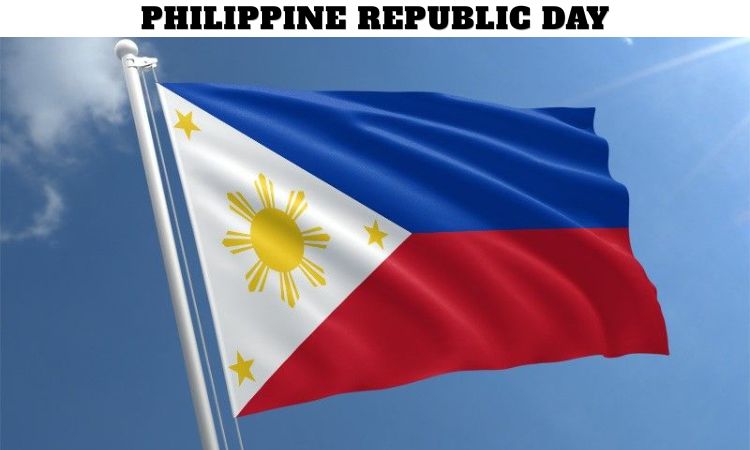
On July 4, 1946, at a historic ceremony held in Manila, the United States officially transferred sovereignty to the Republic of the Philippines. The American flag was lowered, and the Philippine flag was raised, symbolizing the birth of an independent nation.
This event marked the end of American colonial rule and the beginning of a new era in Philippine history.
How Did the Philippines Achieve Independence?
The road to independence was long and shaped by numerous historical events.
Following more than three centuries of Spanish colonial rule, Filipino revolutionaries declared independence from Spain on June 12, 1898. However, the Treaty of Paris later transferred control of the Philippines from Spain to the United States.
The subsequent Philippine-American War demonstrated the determination of Filipinos to achieve genuine independence. Despite resistance, American governance continued while preparing the country for eventual self-rule.
Several significant legislative measures paved the way toward independence:
- The Jones Act of 1916 promised eventual independence.
- The Tydings-McDuffie Act of 1934 established the Commonwealth of the Philippines and outlined a ten-year transition period toward full independence.
- The Commonwealth Government, inaugurated in 1935 under President Manuel L. Quezon, prepared the nation for self-governance.
The outbreak of World War II temporarily interrupted the transition. The Japanese occupation brought hardship and devastation, but after liberation in 1945, preparations resumed.
Finally, on July 4, 1946, the Republic of the Philippines became fully sovereign.
What Happened During the Historic July 4, 1946 Ceremony?
The independence ceremony on July 4, 1946, remains one of the most memorable events in Philippine history.
Held at the Luneta National Park in Manila, the ceremony was attended by Filipino leaders, American officials, diplomats, military representatives, and thousands of citizens.
The event featured several important moments:
- The lowering of the American flag.
- The raising of the Philippine national flag.
- Formal speeches recognizing Philippine sovereignty.
- The reading and signing of official documents transferring authority.
- The inauguration of the independent Republic.
President Manuel Roxas, the first President of the independent Third Republic, officially assumed leadership of the sovereign nation.
The ceremony represented not only political independence but also hope for rebuilding the country after the devastation of World War II.
Why Was Independence Day Moved from July 4 to June 12?
Many people wonder why the Philippines now celebrates Independence Day on June 12 instead of July 4.
In 1962, President Diosdado Macapagal issued a proclamation transferring the celebration of Philippine Independence Day to June 12. The change recognized the original declaration of independence from Spain made by Filipino revolutionaries in 1898.
The decision emphasized Filipino nationalism and acknowledged the efforts of those who fought for freedom long before formal recognition by the United States.
Subsequently, July 4 became known as Philippine Republic Day and later Philippine-American Friendship Day. While June 12 highlights the declaration of independence, July 4 commemorates the international recognition and establishment of the independent republic.
Both dates hold significant historical importance and contribute to understanding the country’s complex path toward nationhood.
What Is the Historical Significance of Philippine Republic Day?
Philippine Republic Day carries profound historical significance because it marks the official recognition of Philippine sovereignty by the global community.
The observance highlights several important themes:
- National Sovereignty: The day symbolizes the Philippines’ status as a self-governing and independent state.
- Democratic Development: Independence enabled Filipinos to govern their own affairs and strengthen democratic institutions.
- National Identity: Republic Day reinforces pride in Filipino heritage, resilience, and cultural identity.
- Historical Reflection: The observance encourages citizens to remember the sacrifices made by heroes, soldiers, and ordinary people who contributed to the nation’s freedom.
- International Relations: The event also reflects the evolving relationship between the Philippines and the United States.
The historical significance extends beyond politics, shaping the country’s national consciousness and identity.
How Do Filipinos Observe Philippine Republic Day?
Although Philippine Republic Day is not celebrated as widely as Independence Day on June 12, various commemorative activities continue to take place across the country.
Typical observances include:
- Flag-Raising Ceremonies: Government institutions and educational establishments conduct ceremonial flag-raising events.
- Historical Programs: Schools, universities, and cultural organizations organize lectures, exhibits, and discussions about Philippine history.
- Wreath-Laying Activities: Officials pay tribute to national heroes and historical figures at monuments and memorial sites.
- Educational Campaigns: Museums and historical agencies promote awareness through seminars, publications, and exhibitions.
- Cultural Performances: Some communities present patriotic songs, dances, and theatrical productions reflecting the nation’s historical journey.
These activities help preserve historical awareness among younger generations.
Why Is Philippine Republic Day Important for Future Generations?
Understanding Philippine Republic Day is essential for future generations because historical knowledge strengthens national identity and civic responsibility.
Young Filipinos benefit from learning about:
- The sacrifices made by earlier generations.
- The value of democracy and freedom.
- The importance of protecting national sovereignty.
- The responsibilities that accompany independence.
- The role citizens play in nation-building.
By studying historical milestones such as Republic Day, future generations gain a deeper appreciation of the freedoms they enjoy today.
The observance also encourages critical reflection on the country’s achievements and challenges while inspiring continued efforts toward national progress.
What Role Did Filipino Leaders Play in Achieving Independence?
Numerous Filipino leaders contributed significantly to the nation’s path toward independence.
Manuel L. Quezon played a vital role in preparing the Commonwealth government for eventual self-rule. His leadership established foundational institutions for the future republic.
Sergio Osmeña guided the nation during the difficult years of World War II and post-war recovery.
Manuel Roxas, as the first President of the independent Third Republic, oversaw the transition to full sovereignty.
Earlier nationalist figures such as José Rizal, Andrés Bonifacio, and Emilio Aguinaldo inspired generations through their dedication to freedom and nationhood.
Their collective contributions continue to shape Philippine democracy and national identity.
How Does Philippine Republic Day Strengthen National Pride?
Philippine Republic Day strengthens national pride by reminding citizens of the country’s remarkable journey from colonial rule to independence.
The observance encourages reflection on:
- The courage of Filipino heroes.
- The resilience demonstrated during wars and occupations.
- The achievements accomplished since independence.
- The enduring values of unity, freedom, and patriotism.
Remembering these milestones fosters a stronger sense of belonging and shared purpose among Filipinos worldwide.
As the nation continues to evolve, Republic Day remains a meaningful opportunity to celebrate sovereignty while reaffirming commitment to democratic ideals and national development.
Frequently Asked Questions (FAQs)
1. What is Philippine Republic Day?
Philippine Republic Day commemorates the formal recognition of Philippine independence by the United States on July 4, 1946.
2. When is Philippine Republic Day observed?
It is observed annually on July 4.
3. Why is July 4 significant in Philippine history?
July 4 marks the establishment of the independent Republic of the Philippines in 1946.
4. Is July 4 still the official Independence Day in the Philippines?
No. The official Independence Day is celebrated on June 12.
5. Why was Independence Day moved to June 12?
The date was changed in 1962 to honor the original declaration of independence from Spain in 1898.
6. Who was the first President of the independent Republic of the Philippines?
Manuel Roxas served as the first President of the independent Third Republic.
7. Where was the independence ceremony held in 1946?
The ceremony took place at Luneta National Park in Manila.
8. What law paved the way for Philippine independence?
The Tydings-McDuffie Act of 1934 established the transition toward independence.
9. How is Philippine Republic Day celebrated today?
It is observed through historical programs, ceremonies, educational events, and commemorative activities.
10. Why is Philippine Republic Day important?
It honors national sovereignty, democratic development, and the sacrifices made to achieve freedom.