

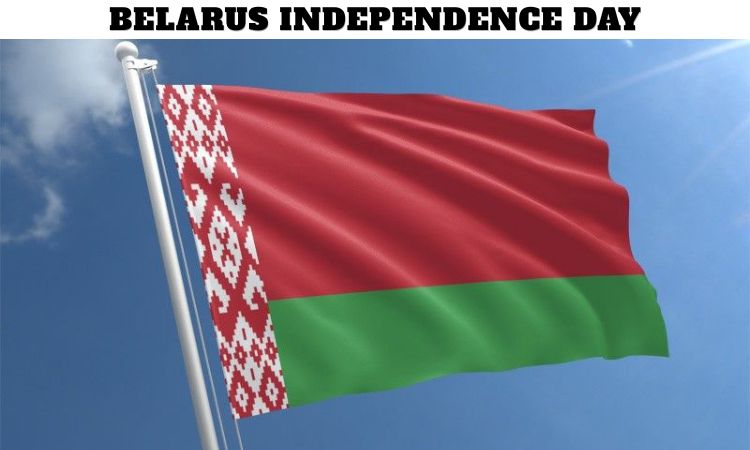
What Is Belarus Independence Day and Why Is It Celebrated on July 3?
Belarus Independence Day is celebrated annually on July 3 and is one of the most important national holidays in Belarus. The day commemorates the liberation of Minsk, the capital city of Belarus, from Nazi occupation during World War II in 1944. It is a symbol of national pride, resilience, and remembrance for the Belarusian people.
Unlike many countries that celebrate independence based on the date they achieved sovereignty, Belarus observes Independence Day on July 3 because of the profound historical significance of the liberation of Minsk during the Great Patriotic War, as World War II is commonly known in Belarus and other former Soviet states.
Belarus Independence Day honors those who sacrificed their lives during the war and celebrates the country’s freedom, sovereignty, and cultural heritage. Across the nation, people participate in official ceremonies, military parades, concerts, fireworks displays, and patriotic events.
The holiday serves as a reminder of the hardships endured during wartime and the determination of the Belarusian people to rebuild and preserve their nation.
How Did Belarus Independence Day Become a National Holiday?
Belarus declared its sovereignty from the Soviet Union on July 27, 1990. Following the dissolution of the Soviet Union in 1991, this date was initially celebrated as Independence Day.
However, in 1996, a national referendum resulted in changing the official Independence Day to July 3. The new date was chosen because it marked the liberation of Minsk from German occupation on July 3, 1944, during the Soviet military offensive known as Operation Bagration.
The decision reflected the importance of World War II in Belarusian history and national identity. The war had devastating consequences for Belarus, with millions of people losing their lives and countless towns and villages destroyed.
Since then, July 3 has been officially observed as Belarus Independence Day and remains one of the country’s most significant public holidays.
Why Is the Liberation of Minsk So Important in Belarusian History?
The liberation of Minsk on July 3, 1944, represented a turning point in Belarusian history.
During World War II, Belarus experienced one of the most severe occupations in Europe. Large portions of the country were occupied by Nazi Germany from 1941 to 1944. The occupation resulted in widespread destruction, mass casualties, forced labor, and the devastation of entire communities.
The Soviet Red Army launched Operation Bagration in June 1944, one of the largest military operations of World War II. The operation successfully liberated Belarus from occupation forces.
The recapture of Minsk symbolized hope, freedom, and the beginning of national recovery. For many Belarusians, July 3 represents not only liberation but also remembrance of the immense sacrifices made during the war.
Belarus Independence Day therefore combines themes of national sovereignty, historical memory, and gratitude toward those who fought for liberation.
How Did World War II Affect Belarus?
World War II had a profound and devastating impact on Belarus.
The country suffered enormous human and material losses during the conflict. Historians estimate that approximately one-third of Belarus’s population perished during the war.
The consequences included:
- Destruction of thousands of villages.
- Heavy civilian casualties.
- Extensive damage to infrastructure.
- Forced displacement of populations.
- Widespread famine and hardship.
- Significant economic losses.
Entire communities were destroyed, and many historical landmarks were damaged or completely lost.
Partisan resistance movements played a major role in opposing occupation forces throughout the country. Belarus became known for its extensive partisan activities, which remain an important part of national history.
Belarus Independence Day honors both military personnel and civilians who suffered during this difficult period.
How Is Belarus Independence Day Celebrated?
Belarus Independence Day is marked by a variety of patriotic and cultural celebrations across the country.
Common festivities include:
- Military parades.
- Official government ceremonies.
- Patriotic concerts.
- Cultural exhibitions.
- Historical reenactments.
- Public festivals.
- Fireworks displays.
- Community gatherings.
The capital city, Minsk, hosts the largest celebrations. Senior government officials, military leaders, veterans, and citizens participate in commemorative events.
A major military parade often serves as the centerpiece of the holiday. The parade showcases members of the armed forces, military equipment, and ceremonial performances.
Throughout the day, parks, public squares, and cultural centers organize concerts featuring traditional Belarusian music, dance performances, and artistic presentations.
Evening celebrations typically conclude with large fireworks displays that attract thousands of spectators.
What Role Do Veterans Play During the Celebrations?
War veterans occupy a place of honor during Belarus Independence Day celebrations.
Many official ceremonies include tributes to veterans who participated in World War II or contributed to the country’s defense and reconstruction efforts.
Veterans often:
- Attend commemorative ceremonies.
- Participate in parades.
- Share personal experiences.
- Receive official recognition.
- Meet younger generations.
Public expressions of gratitude toward veterans form an essential part of the holiday.
Schools, organizations, and community groups frequently organize educational activities that encourage younger generations to learn about wartime experiences and national history.
The participation of veterans helps preserve historical memory and ensures that the sacrifices of previous generations are remembered.
How Does Belarus Independence Day Promote National Unity?
Belarus Independence Day serves as an important occasion for strengthening national identity and unity.
The holiday brings together citizens from diverse backgrounds to celebrate shared history, culture, and traditions.
Key themes emphasized during the celebrations include:
- Patriotism.
- Historical remembrance.
- National pride.
- Peace.
- Unity.
- Sovereignty.
Public events encourage collective participation and foster a sense of belonging among citizens.
By commemorating significant historical events, the holiday reinforces common values and highlights the resilience of the Belarusian people.
Belarus Independence Day also provides an opportunity to reflect on the country’s achievements and aspirations for the future.
What Cultural Traditions Are Associated with Belarus Independence Day?
Cultural traditions play an important role in Independence Day celebrations.
Across Belarus, people participate in activities showcasing national heritage, including:
- Folk music performances.
- Traditional dance presentations.
- Handicraft exhibitions.
- Historical displays.
- National cuisine festivals.
- Art exhibitions.
Traditional Belarusian costumes are sometimes worn during cultural events and performances.
Museums and historical institutions often organize special exhibitions focusing on national history, wartime experiences, and cultural achievements.
These activities help preserve and promote Belarusian traditions while educating younger generations about their cultural heritage.
What Foods Are Commonly Enjoyed During the Holiday?
Family gatherings and festive meals are an important aspect of Belarus Independence Day.
Traditional Belarusian dishes commonly enjoyed during celebrations include:
- Draniki (potato pancakes).
- Borscht.
- Kalduny (stuffed dumplings).
- Machanka (pork stew).
- Rye bread.
- Meat dishes.
- Seasonal salads.
Families often gather for meals after attending public events or ceremonies.
Food festivals held during the holiday provide opportunities for visitors to experience regional culinary traditions and local specialties.
Sharing traditional meals reinforces family bonds and contributes to the festive atmosphere of the holiday.
How Do Schools and Educational Institutions Observe the Holiday?
Educational institutions play an important role in commemorating Belarus Independence Day.
Schools often organize:
- History lessons.
- Patriotic programs.
- Essay competitions.
- Cultural performances.
- Museum visits.
- Meetings with veterans.
These activities help students understand the historical significance of the holiday and encourage appreciation for national heritage.
Teachers frequently discuss World War II history, the liberation of Belarus, and the importance of peace and international cooperation.
Educational programs ensure that historical memory continues to be passed to future generations.
Why Is Belarus Independence Day Important Today?
Belarus Independence Day remains highly significant because it commemorates a defining moment in the nation’s history.
The holiday serves several important purposes:
- Honoring historical sacrifices.
- Preserving national memory.
- Strengthening cultural identity.
- Promoting patriotism.
- Celebrating sovereignty.
In modern Belarus, Independence Day continues to unite citizens while emphasizing the values of peace, stability, and national development.
The observance also provides an opportunity to recognize the country’s progress and achievements since the devastation of World War II.
How Does Belarus Independence Day Reflect National Identity?
National identity in Belarus is closely connected to historical experiences, cultural traditions, and collective resilience.
Independence Day reflects these elements by commemorating the country’s liberation and honoring those who contributed to its survival and reconstruction.
The holiday emphasizes:
- Courage during adversity.
- Respect for history.
- Cultural continuity.
- National sovereignty.
- Community solidarity.
For many Belarusians, July 3 represents both remembrance and hope—a day to honor the past while looking toward the future.
What Can We Learn from Belarus Independence Day?
Belarus Independence Day teaches important lessons about resilience, sacrifice, and the importance of preserving historical memory.
The observance reminds people that freedom and peace often come at great cost. It also demonstrates the ability of nations to rebuild after periods of immense hardship.
By commemorating significant historical events, societies can strengthen national unity and ensure that future generations understand the importance of peace, cooperation, and remembrance.
Belarus Independence Day, celebrated annually on July 3, is a powerful expression of national pride, historical remembrance, and cultural heritage. Commemorating the liberation of Minsk during World War II, the holiday honors the sacrifices of millions while celebrating the resilience and achievements of the Belarusian people.
Through parades, cultural events, educational programs, and family gatherings, Belarus Independence Day continues to unite citizens and preserve the nation’s historical legacy for generations to come.
Frequently Asked Questions (FAQs)
1. When is Belarus Independence Day celebrated?
Belarus Independence Day is celebrated every year on July 3.
2. Why is Belarus Independence Day celebrated on July 3?
The date marks the liberation of Minsk from Nazi occupation in 1944 during World War II.
3. Was Belarus originally independent on July 3?
No. Belarus initially celebrated Independence Day on July 27, but the official holiday was moved to July 3 following a 1996 referendum.
4. What major event occurred on July 3, 1944?
Minsk was liberated from German occupation during Operation Bagration.
5. How is Belarus Independence Day celebrated?
Celebrations include military parades, concerts, ceremonies, cultural events, and fireworks.
6. Why is World War II significant to Belarus?
Belarus suffered enormous losses during the war, with millions affected by occupation and conflict.
7. What is Operation Bagration?
Operation Bagration was a major Soviet military offensive that liberated Belarus in 1944.
8. What cultural activities take place during the holiday?
People enjoy folk performances, exhibitions, traditional music, and historical displays.
9. Are veterans honored during the celebrations?
Yes, veterans are recognized and honored during official ceremonies and commemorative events.
10. What does Belarus Independence Day symbolize?
The holiday symbolizes freedom, remembrance, national unity, and resilience.