

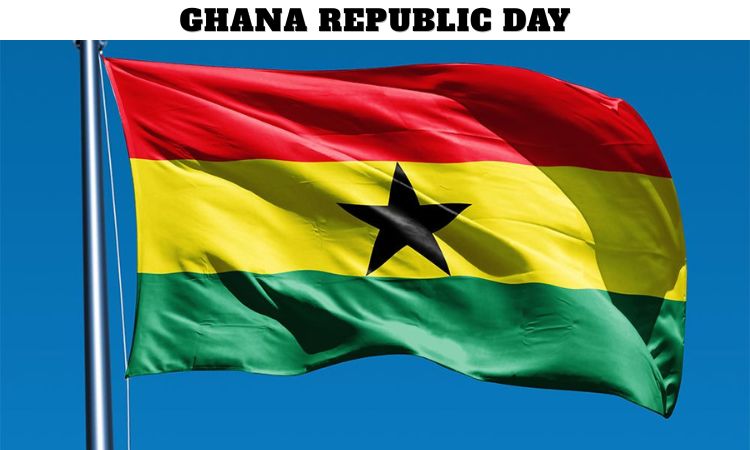
What Is Ghana Republic Day and Why Is It Celebrated on July 1?
Ghana Republic Day is celebrated annually on July 1 to commemorate the day Ghana officially became a republic in 1960. Although Ghana gained independence from British colonial rule on March 6, 1957, it remained a constitutional monarchy within the Commonwealth for several years. On July 1, 1960, following a national referendum, Ghana adopted a republican constitution and became a fully sovereign republic with its own president as head of state.
Republic Day represents a major milestone in Ghana’s political history. The observance symbolizes national sovereignty, democratic governance, self-determination, and the country’s commitment to shaping its own destiny.
For many Ghanaians, Republic Day is an occasion to reflect on the nation’s achievements, honor the sacrifices of independence leaders, and reaffirm their dedication to unity, progress, and national development.
How Did Ghana Become a Republic?
Ghana’s journey to becoming a republic began long before July 1, 1960.
Formerly known as the Gold Coast, Ghana was a British colony for many decades. Growing nationalist movements during the twentieth century demanded greater self-governance and independence from colonial rule.
Under the leadership of nationalist figures, particularly Kwame Nkrumah, the struggle for self-government intensified. These efforts resulted in Ghana becoming the first sub-Saharan African country to achieve independence on March 6, 1957.
Despite independence, Ghana initially retained the British monarch as its ceremonial head of state under a constitutional arrangement within the Commonwealth.
To establish complete political autonomy, a constitutional referendum was held in 1960. The Ghanaian people voted overwhelmingly in favor of becoming a republic.
Consequently, on July 1, 1960, Ghana officially became the Republic of Ghana, and Kwame Nkrumah assumed office as the country’s first President.
This transition marked the completion of Ghana’s move from colonial rule to full republican governance.
Why Is July 1 Historically Important in Ghana?
July 1 holds immense historical significance because it marks Ghana’s transition from a constitutional monarchy to a republic.
The date represents:
- Full sovereignty
- Political self-determination
- Democratic aspirations
- National unity
- Constitutional governance
- African leadership
Republic Day signifies the moment when Ghanaians assumed complete control over their political institutions and national affairs.
The day also highlights Ghana’s pioneering role in Africa’s decolonization movement. Ghana’s success inspired numerous African nations seeking independence during the twentieth century.
For many citizens, July 1 serves as a reminder of the nation’s enduring commitment to freedom, democracy, and development.
Who Was Kwame Nkrumah and What Was His Role in Republic Day?
Kwame Nkrumah remains one of the most influential figures in Ghanaian and African history.
Born in 1909, Nkrumah emerged as a leading advocate for independence and Pan-African unity. He founded the Convention People’s Party (CPP) and mobilized widespread support for self-government.
Nkrumah’s leadership played a decisive role in securing Ghana’s independence in 1957.
Following the constitutional referendum of 1960, Nkrumah became Ghana’s first President when the country officially adopted republican status.
Throughout his political career, Nkrumah promoted:
- African unity
- Economic modernization
- Educational advancement
- Anti-colonial movements
- National development
His vision extended beyond Ghana, as he actively supported liberation movements across Africa.
Republic Day celebrations often honor Nkrumah’s legacy and acknowledge his contributions to Ghana’s political evolution.
How Is Ghana Republic Day Celebrated?
Republic Day celebrations in Ghana traditionally include official ceremonies, patriotic activities, and community gatherings.
Common observances include:
- Flag-raising ceremonies
- Government speeches
- Educational programs
- Historical reflections
- Cultural performances
- Community events
- Patriotic activities
- Media broadcasts
- School celebrations
- National discussions on governance
Schools frequently organize programs that educate students about Ghana’s constitutional history and the significance of republican governance.
Many citizens also use the occasion to reflect on national achievements and discuss future aspirations.
Although Republic Day was previously observed as a major public holiday, changes to Ghana’s holiday calendar have altered the nature of official celebrations. Nevertheless, the historical importance of July 1 remains widely recognized.
What Is the Difference Between Ghana Independence Day and Republic Day?
Many people confuse Ghana Independence Day with Republic Day, but the two commemorations mark distinct historical events.
Independence Day, celebrated on March 6, commemorates Ghana’s liberation from British colonial rule in 1957.
Republic Day, celebrated on July 1, commemorates Ghana’s adoption of a republican constitution in 1960.
The key differences are:
| Independence Day | Republic Day |
|---|---|
| Celebrated on March 6 | Celebrated on July 1 |
| Marks independence from Britain | Marks establishment of the republic |
| Celebrated since 1957 | Celebrated since 1960 |
| Ended colonial rule | Established a Ghanaian head of state |
Both occasions represent critical milestones in Ghana’s nation-building journey.
Together, they illustrate Ghana’s progression toward complete political sovereignty.
Why Is Republic Day Important for Democracy in Ghana?
Republic Day underscores the importance of constitutional governance and democratic institutions.
By adopting a republican constitution, Ghana established a political system in which the head of state would be chosen through national constitutional processes rather than hereditary succession.
The observance highlights principles such as:
- Rule of law
- Popular sovereignty
- Civic participation
- Accountability
- Constitutionalism
- Democratic governance
Over the decades, Ghana has become recognized internationally for its democratic development and peaceful political transitions.
Republic Day encourages citizens to value democratic institutions and participate actively in national development.
The holiday serves as a reminder that democracy requires continuous commitment and civic responsibility.
How Has Ghana Developed Since Becoming a Republic?
Since becoming a republic in 1960, Ghana has experienced substantial political, economic, and social transformation.
Notable areas of progress include:
- Expansion of education
- Infrastructure development
- Democratic consolidation
- Economic diversification
- Healthcare improvements
- Technological advancement
Ghana has established itself as one of Africa’s leading democracies, conducting multiple peaceful transfers of political power.
The country’s economy has evolved significantly, with important contributions from sectors such as:
- Agriculture
- Mining
- Manufacturing
- Services
- Telecommunications
- Tourism
Despite challenges including economic fluctuations and developmental inequalities, Ghana continues pursuing sustainable growth and social progress.
Republic Day offers an opportunity to celebrate achievements while addressing remaining challenges.
What Role Does Pan-Africanism Play in Ghana’s Republic Day Legacy?
Pan-Africanism occupies a central place in Ghana’s republican history.
Under President Kwame Nkrumah, Ghana became a strong advocate for African unity and liberation.
Nkrumah believed that African nations should cooperate politically and economically to achieve collective prosperity and independence.
Ghana supported numerous anti-colonial struggles across the continent and hosted important international conferences promoting African solidarity.
Republic Day celebrations often acknowledge Ghana’s contributions to:
- African liberation movements
- Continental unity
- Diplomatic cooperation
- Regional integration
- International peace initiatives
This Pan-African legacy remains an important aspect of Ghana’s national identity and international reputation.
How Do Schools and Young People Observe Republic Day?
Educational institutions play an important role in preserving the significance of Republic Day.
Schools often organize activities such as:
- Historical presentations
- Essay competitions
- Debates
- Cultural performances
- Civic education programs
- Patriotic assemblies
- Drama performances
These activities help students understand Ghana’s constitutional history and appreciate the importance of responsible citizenship.
Young people are encouraged to reflect upon:
- National values
- Democratic participation
- Leadership
- Civic responsibility
- National unity
By educating future generations, Republic Day contributes to the preservation of historical memory and democratic culture.
What Challenges and Opportunities Has Ghana Encountered Since 1960?
Since becoming a republic, Ghana has experienced both significant achievements and notable challenges.
Challenges have included:
- Political instability during certain periods
- Economic restructuring
- Unemployment
- Inflation
- Infrastructure demands
- Development disparities
Nevertheless, Ghana has demonstrated considerable resilience and adaptability.
Key opportunities continue to emerge in areas such as:
- Digital innovation
- Renewable energy
- Regional trade
- Education
- Entrepreneurship
- Industrialization
Republic Day encourages reflection on these opportunities while inspiring collective efforts toward national advancement.
Why Does Ghana Republic Day Continue to Matter Today?
Ghana Republic Day remains relevant because it commemorates the nation’s complete transition to self-governance and constitutional sovereignty.
The observance reminds citizens of the importance of:
- Democratic governance
- National unity
- Constitutional values
- Responsible citizenship
- Political participation
As Ghana continues addressing contemporary challenges and pursuing development goals, Republic Day provides an opportunity to celebrate progress while reaffirming commitments to democracy and nation-building.
The holiday remains an enduring symbol of Ghana’s independence, resilience, and aspirations.
What Can We Learn from Ghana Republic Day?
Ghana Republic Day teaches important lessons about self-determination, constitutional governance, and national unity.
The observance demonstrates how determined leadership, civic engagement, and collective action can shape a nation’s future.
It also reminds citizens that preserving democracy and promoting development require ongoing participation and commitment.
By reflecting on the nation’s republican journey, Ghanaians can continue building a prosperous and inclusive society.
Ghana Republic Day, celebrated annually on July 1, commemorates the country’s transition to a republic in 1960 and marks an essential chapter in Ghana’s national history. The observance honors the vision and sacrifices of leaders such as Kwame Nkrumah while celebrating democratic governance, sovereignty, and national unity.
Through reflection, education, and patriotic activities, Republic Day continues to inspire Ghanaians to uphold constitutional values and work collectively toward a brighter future.
Frequently Asked Questions (FAQs)
1. When is Ghana Republic Day celebrated?
Ghana Republic Day is celebrated annually on July 1.
2. What does Ghana Republic Day commemorate?
The day commemorates Ghana becoming a republic on July 1, 1960.
3. When did Ghana become independent?
Ghana gained independence from British colonial rule on March 6, 1957.
4. When did Ghana officially become a republic?
Ghana officially became a republic on July 1, 1960.
5. Who became Ghana’s first President?
Kwame Nkrumah became Ghana’s first President.
6. What is the difference between Independence Day and Republic Day?
Independence Day marks freedom from colonial rule, while Republic Day marks the establishment of republican governance.
7. Why is Republic Day important?
It symbolizes full sovereignty, constitutional governance, and democratic development.
8. How is Republic Day celebrated in Ghana?
It is observed through ceremonies, educational activities, speeches, and cultural programs.
9. What role did Kwame Nkrumah play in Republic Day?
He led Ghana’s independence movement and became the country’s first President after the republic was established.
10. Why does Republic Day remain significant today?
It reinforces democratic values, national unity, and constitutional governance.