

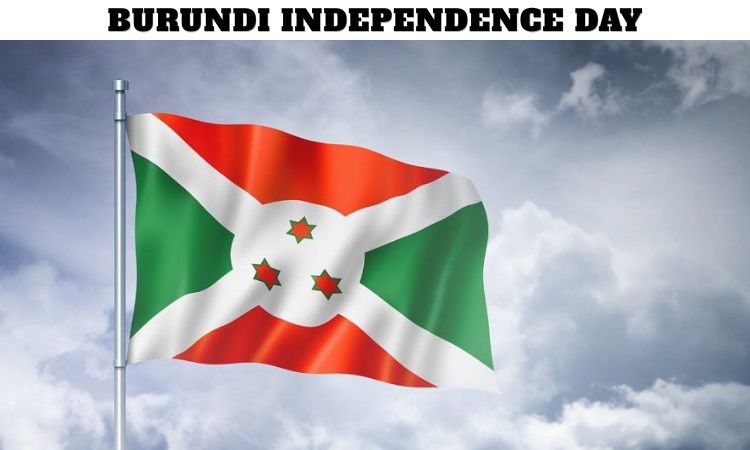
What Is Burundi Independence Day and Why Is It Celebrated on July 1?
Burundi Independence Day is celebrated every year on July 1 to commemorate the day when Burundi gained independence from Belgian colonial rule in 1962. This national holiday marks one of the most important milestones in the country’s history, symbolizing freedom, sovereignty, self-governance, and national identity.
For the people of Burundi, Independence Day serves as a reminder of the nation’s struggle for self-determination and the efforts made by generations of Burundians to achieve political autonomy. The observance is characterized by patriotic ceremonies, cultural events, public celebrations, and reflections on the country’s past, present, and future.
As one of the most significant public holidays in Burundi, Independence Day unites citizens from diverse backgrounds in celebrating their shared heritage and national pride. The holiday also highlights the country’s resilience and aspirations for continued peace, stability, and development.
How Did Burundi Gain Independence?
The road to independence for Burundi was shaped by decades of colonial administration, political change, and growing nationalist movements throughout Africa.
Before independence, Burundi was first colonized by Germany during the late nineteenth century as part of German East Africa. Following Germany’s defeat in World War I, the territory came under Belgian administration through a League of Nations mandate and later as a United Nations trust territory.
During the mid-twentieth century, anti-colonial movements gained momentum across Africa, inspiring Burundians to seek greater political representation and eventual independence. Nationalist leaders and political organizations advocated for self-rule and constitutional reforms.
As pressure for decolonization increased globally, Belgium gradually introduced political changes that allowed for increased local participation in governance.
On July 1, 1962, Burundi officially achieved independence and became a sovereign nation. The country initially adopted a constitutional monarchy under the leadership of King Mwambutsa IV.
Independence marked the beginning of a new chapter in Burundi’s history, allowing the nation to determine its own political, economic, and social future.
What Was Burundi Like Before Independence?
Before independence, Burundi experienced both German and Belgian colonial administration.
The Kingdom of Burundi existed long before colonial intervention and possessed established political institutions under a monarchy headed by the Mwami, or king. Traditional governance structures played an important role in organizing society and maintaining political authority.
German colonial rule began in the late nineteenth century, but colonial administration was relatively indirect due to limited infrastructure and resources.
After World War I, Belgium assumed control of Burundi, then known together with Rwanda as Ruanda-Urundi. Belgian authorities introduced administrative, educational, and economic reforms while exercising significant political control over the territory.
Colonial policies affected social structures, political relationships, and economic development. Access to education and administrative positions was often uneven, contributing to social and political tensions.
Despite these challenges, traditional cultural institutions remained influential, and nationalist sentiments gradually strengthened as independence movements spread across Africa.
Why Is July 1 Historically Important for Burundi?
July 1 represents the birth of modern independent Burundi.
The date symbolizes several core national values, including:
- Freedom
- Sovereignty
- Unity
- Self-determination
- National pride
- Political independence
- Cultural identity
For many Burundians, Independence Day serves not only as a celebration of freedom from colonial rule but also as an opportunity to honor those who contributed to the nation’s liberation and development.
The holiday provides citizens with an opportunity to reflect upon the country’s achievements, challenges, and aspirations while strengthening national cohesion.
Each year, July 1 reinforces the importance of preserving independence and promoting national progress.
Who Were the Key Figures in Burundi’s Independence Movement?
Several political leaders and traditional authorities played important roles during Burundi’s transition to independence.
King Mwambutsa IV Bangiricenge served as the monarch during the period leading up to independence. As king, he played a significant role in navigating political reforms and constitutional changes.
Prince Louis Rwagasore is widely regarded as one of the most influential figures in Burundi’s independence movement. He founded the Union for National Progress (UPRONA) political party and strongly advocated for national unity and independence.
Prince Rwagasore became a symbol of anti-colonial resistance and national aspirations. His vision emphasized unity among Burundians and peaceful political development.
Although he was tragically assassinated in 1961, shortly before independence, his contributions remain deeply respected throughout Burundi.
Independence Day honors Rwagasore and all individuals who contributed to the country’s journey toward sovereignty.
How Do People Celebrate Burundi Independence Day?
Burundi Independence Day is celebrated across the country through various official and community events.
Common Independence Day activities include:
- Flag-raising ceremonies
- Military parades
- Presidential speeches
- Cultural performances
- Traditional dance exhibitions
- Community gatherings
- Educational programs
- Patriotic songs and performances
- Public celebrations
- National award ceremonies
Government officials, community leaders, students, and citizens often participate in commemorative events held throughout the country.
Traditional music and dance play especially important roles during the celebrations. Cultural performances showcase Burundi’s rich heritage and reinforce national identity.
Schools may also organize educational activities that teach students about the nation’s history and the significance of independence.
The festive atmosphere reflects both patriotism and cultural pride.
What Role Does Culture Play in Independence Day Celebrations?
Culture occupies a central place in Burundi Independence Day celebrations.
Burundi possesses a rich cultural heritage shaped by centuries of history, traditional institutions, music, dance, and oral traditions.
One of the country’s most famous cultural expressions is the performance of the Royal Drummers of Burundi, whose drumming traditions have gained international recognition.
Independence Day celebrations frequently feature:
- Traditional drumming performances
- Folk dances
- Cultural exhibitions
- Storytelling
- Traditional attire
- Musical performances
These cultural activities help preserve national heritage while strengthening social cohesion.
The observance highlights the importance of maintaining cultural traditions as part of the nation’s identity and historical legacy.
How Has Burundi Developed Since Independence?
Since gaining independence in 1962, Burundi has experienced significant political, social, and economic changes.
The country’s post-independence history has included periods of both progress and considerable challenges. Political instability, social tensions, and conflict have affected national development at various times.
Despite these difficulties, Burundi has continued pursuing development in several areas, including:
- Education
- Healthcare
- Infrastructure
- Agriculture
- Community development
- Democratic governance
Agriculture remains a cornerstone of Burundi’s economy, employing a large portion of the population. Coffee and tea continue to serve as important export commodities.
In recent years, efforts have focused on promoting peace, reconciliation, and sustainable development while improving living standards and strengthening institutions.
Independence Day provides an opportunity to recognize achievements while reaffirming commitments to national development and stability.
Why Is National Unity Important on Burundi Independence Day?
National unity is one of the central themes emphasized during Burundi Independence Day celebrations.
Throughout its history, Burundi has faced social and political divisions that have challenged national cohesion. Consequently, Independence Day often serves as an occasion to promote reconciliation, solidarity, and peaceful coexistence.
Leaders frequently stress values such as:
- Peace
- Unity
- Mutual respect
- Cooperation
- National solidarity
- Inclusive development
Promoting unity is viewed as essential for ensuring long-term stability and prosperity.
The holiday reminds citizens that independence can be fully realized only when people work together toward shared national goals.
Independence Day celebrations encourage all Burundians to contribute positively to the country’s future.
How Do Schools and Young People Participate in Independence Day?
Young people play an important role in Burundi Independence Day celebrations.
Schools often organize educational programs designed to teach students about:
- National history
- Independence struggles
- Cultural traditions
- Civic responsibility
- National symbols
Students may participate in:
- Parades
- Cultural performances
- Essay competitions
- Historical presentations
- Patriotic songs
- Flag ceremonies
These activities help preserve historical memory while fostering patriotism and civic engagement among younger generations.
By learning about independence and national heritage, students develop a deeper appreciation for the sacrifices and achievements of earlier generations.
Youth participation also ensures that the significance of Independence Day continues to be passed on to future generations.
What Challenges and Opportunities Has Burundi Faced Since Independence?
Like many newly independent nations, Burundi has encountered numerous challenges since 1962.
These challenges have included:
- Political instability
- Economic constraints
- Social tensions
- Infrastructure limitations
- Poverty
- Environmental pressures
At the same time, Burundi possesses significant opportunities for growth and development.
Potential strengths include:
- Rich cultural heritage
- Agricultural resources
- Young population
- Regional cooperation opportunities
- Community resilience
Continued investment in education, peacebuilding, infrastructure, and economic diversification may contribute to future progress.
Independence Day offers an opportunity to reflect on both challenges and opportunities while reaffirming national aspirations.
Why Does Burundi Independence Day Remain Important Today?
Burundi Independence Day remains profoundly important because it commemorates the nation’s sovereignty and celebrates its enduring identity.
The holiday reminds citizens of the significance of self-determination, freedom, and national responsibility. It also encourages reflection on the country’s history while inspiring hope for a peaceful and prosperous future.
As Burundi continues addressing contemporary challenges and pursuing development goals, Independence Day serves as a powerful symbol of resilience and collective aspiration.
The annual observance strengthens patriotism and reinforces the values necessary for nation-building.
Burundi Independence Day, celebrated annually on July 1, marks a historic milestone in the nation’s journey toward sovereignty and self-governance. The holiday commemorates Burundi’s independence from Belgian colonial rule in 1962 while honoring the leaders, citizens, and cultural traditions that have shaped the country’s identity.
Through ceremonies, cultural performances, and patriotic celebrations, Burundians reflect on their shared history and reaffirm their commitment to unity, peace, and national development. Independence Day continues to stand as a symbol of freedom, resilience, and hope for future generations.
Frequently Asked Questions (FAQs)
1. When is Burundi Independence Day celebrated?
Burundi Independence Day is celebrated annually on July 1.
2. What does Burundi Independence Day commemorate?
The holiday commemorates Burundi gaining independence from Belgian colonial rule in 1962.
3. When did Burundi become independent?
Burundi officially became independent on July 1, 1962.
4. Which country colonized Burundi before independence?
Burundi was colonized by Germany and later administered by Belgium.
5. Who was Prince Louis Rwagasore?
Prince Louis Rwagasore was a prominent nationalist leader and a key figure in Burundi’s independence movement.
6. How do people celebrate Burundi Independence Day?
People celebrate through parades, speeches, cultural performances, flag ceremonies, and community events.
7. What is the significance of July 1 in Burundi?
July 1 marks the day Burundi achieved independence and became a sovereign nation.
8. What role does culture play in Independence Day celebrations?
Traditional music, dance, drumming, and cultural performances are central to the celebrations.
9. Why is national unity emphasized during Independence Day?
National unity is promoted to strengthen peace, reconciliation, and collective development.
10. Why is Burundi Independence Day important today?
The holiday celebrates freedom, national identity, sovereignty, and aspirations for future progress.