

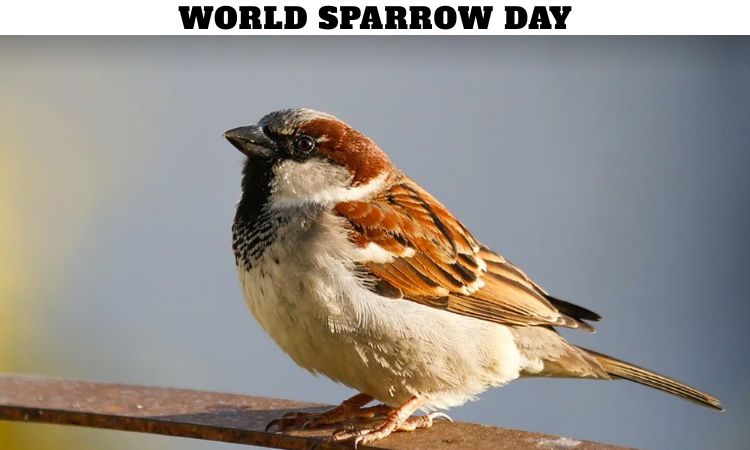
Every year on March 20, environmentalists, bird lovers, and conservationists across the globe observe World Sparrow Day, a significant awareness day dedicated to protecting sparrows and other common urban birds. Once considered abundant and inseparable from human settlements, sparrows have experienced alarming population declines in many regions.
We mark this day to celebrate the ecological importance of sparrows, encourage conservation efforts, and inspire communities to take meaningful action. World Sparrow Day reminds us that even the smallest creatures play an essential role in maintaining biodiversity and environmental balance.
Origins and History of World Sparrow Day
World Sparrow Day was first celebrated in 2010 by the Nature Forever Society, in collaboration with international partners. The initiative was led by Indian conservationist Mohammed Dilawar, who aimed to draw attention to the declining population of sparrows, particularly in urban areas.
We recognize that this campaign quickly gained global support, transforming World Sparrow Day into a powerful movement promoting environmental responsibility. Schools, NGOs, government bodies, and individuals now participate in various awareness activities to safeguard bird habitats.
Understanding Sparrows and Their Ecological Role
Sparrows, especially the House Sparrow, are small passerine birds known for their adaptability and close association with human settlements. They thrive in urban and rural environments, nesting in buildings, trees, and rooftops.
We observe that sparrows contribute significantly to ecosystems by:
Controlling insect populations
Supporting pollination indirectly
Serving as prey for larger birds and animals
Acting as indicators of environmental health
Their presence reflects a balanced ecosystem, while their disappearance signals ecological distress.
Reasons Behind the Decline of Sparrow Populations
Despite their adaptability, sparrows have faced dramatic declines in many cities around the world. Several factors contribute to this trend:
1. Urbanization and Habitat Loss
Modern architecture often eliminates traditional nesting spaces such as roof crevices and open ventilation areas.
2. Reduced Food Availability
Pesticide use in agriculture and landscaping reduces insect populations, depriving sparrows of a vital food source.
3. Electromagnetic Radiation Concerns
Some studies suggest that excessive radiation from mobile towers may affect bird navigation and breeding patterns.
4. Pollution and Climate Change
Air pollution, rising temperatures, and unpredictable weather patterns disrupt sparrow habitats and reproduction cycles.
World Sparrow Day emphasizes the urgent need to address these challenges through collective action.
Global Importance of Bird Conservation
Bird conservation is not limited to protecting rare or exotic species. Common birds like sparrows are equally important because they influence everyday ecological processes.
We acknowledge that safeguarding bird populations helps:
Maintain natural pest control
Support sustainable agriculture
Enhance urban biodiversity
Improve mental well-being through nature connection
World Sparrow Day encourages communities to understand that conservation begins with protecting familiar species.
How is World Sparrow Day Celebrated?
Across continents, people celebrate this day through educational and environmental initiatives. Popular activities include:
Installing bird feeders and nesting boxes
Organizing birdwatching events and nature walks
Conducting awareness campaigns in schools
Hosting photography competitions focused on sparrows
Planting native trees and shrubs
We see these celebrations as opportunities to strengthen environmental awareness and inspire grassroots conservation efforts.
Role of Communities in Sparrow Protection
Local communities play a crucial role in reversing the decline in sparrow populations. Simple actions can make a significant difference:
Providing clean water sources for birds
Reducing pesticide use in gardens
Preserving old trees and natural vegetation
Supporting eco-friendly urban planning
World Sparrow Day highlights how collective participation can restore harmony between humans and wildlife.
Sparrows in Culture, Literature, and Symbolism
Sparrows have long held symbolic meaning in different cultures. They represent hope, resilience, companionship, and simplicity. Many folk tales and poems portray sparrows as friendly messengers and protectors of homes.
We observe that sparrows’ cultural significance strengthens emotional connections between people and nature. World Sparrow Day provides an opportunity to revisit these traditions and celebrate the bird’s place in human history.
Educational Importance of World Sparrow Day
Environmental education is central to the success of conservation movements. Schools and universities use this day to teach students about:
Biodiversity and ecological balance
Wildlife protection laws
Sustainable lifestyle choices
Citizen science initiatives
We believe that engaging young minds ensures long-term commitment to environmental stewardship.
Technological Innovations Supporting Bird Conservation
Modern technology has become a powerful tool in monitoring bird populations. Mobile apps, GPS tracking, and online bird databases help researchers collect valuable data.
We note that digital platforms enable:
Real-time bird sighting reports
Community-driven conservation projects
Virtual awareness campaigns
Access to educational resources
World Sparrow Day demonstrates how innovation can support traditional conservation practices.
Urban Planning and Wildlife-Friendly Cities
Designing cities that support wildlife is becoming increasingly important. Urban planners and architects are exploring ways to integrate biodiversity into infrastructure.
We recognize solutions such as:
Green roofs and vertical gardens
Bird-friendly building designs
Community parks and wetlands
Reduced noise and light pollution
World Sparrow Day encourages policymakers to adopt sustainable development strategies that benefit both humans and wildlife.
Health and Psychological Benefits of Birdwatching
Spending time observing birds has been linked to improved mental health and reduced stress levels. Sparrows, being easily observable in urban environments, provide accessible opportunities for nature interaction.
We observe that birdwatching promotes:
Mindfulness and relaxation
Increased physical activity
Environmental awareness
Social bonding through shared hobbies
Celebrating World Sparrow Day can inspire people to reconnect with nature in meaningful ways.
Future Challenges and Opportunities
Protecting sparrows requires long-term commitment and collaboration among governments, conservation groups, and citizens. Climate change, urban expansion, and environmental neglect continue to pose threats.
However, we also see promising developments:
Growing public awareness
Expansion of community conservation programs
Integration of biodiversity goals into policy frameworks
Increased funding for wildlife research
World Sparrow Day catalyzes sustained environmental action.
Simple Ways Individuals Can Help Sparrows
Everyone can contribute to sparrow conservation through everyday actions:
Place grain feeders on balconies or gardens
Build or buy nesting boxes
Grow native plants that attract insects
Avoid using harmful chemicals
Spread awareness through social media
We encourage individuals to view these small steps as powerful contributions to global biodiversity protection.
Conclusion: Protecting Tiny Birds for a Healthier Planet
World Sparrow Day on March 20 reminds us that environmental protection begins with caring for the creatures closest to us. Sparrows symbolize resilience and coexistence, teaching valuable lessons about adaptation and survival.
Frequently Asked Questions (FAQs)
1. What is World Sparrow Day?
World Sparrow Day is observed on March 20 to raise awareness about the declining population of sparrows and to promote their conservation worldwide.
2. Who started World Sparrow Day?
The Nature Forever Society initiated it along with environmental partners to protect sparrows and other common birds.
3. Why are sparrow populations declining?
Major reasons include urbanization, habitat loss, pollution, reduced food sources, pesticide use, and climate change.
4. Which sparrow species is most commonly discussed on this day?
The House Sparrow is the most widely recognized species associated with conservation efforts.
5. Why are sparrows important for the ecosystem?
Sparrows help control insect populations, support biodiversity, and act as indicators of environmental health.
6. How can individuals help protect sparrows?
People can install bird feeders, nesting boxes, plant native vegetation, provide water sources, and avoid harmful pesticides.
7. How is World Sparrow Day celebrated?
It is celebrated through awareness campaigns, birdwatching events, school programs, conservation drives, and social media initiatives.
8. Where are sparrows commonly found?
Sparrows are commonly found in urban areas, villages, gardens, farms, and near human settlements.
9. What role do communities play in sparrow conservation?
Communities can support conservation by creating bird-friendly environments, protecting green spaces, and spreading awareness.
10. Why is World Sparrow Day important?
It highlights the need to protect biodiversity, restore bird habitats, and encourage sustainable coexistence between humans and wildlife.