

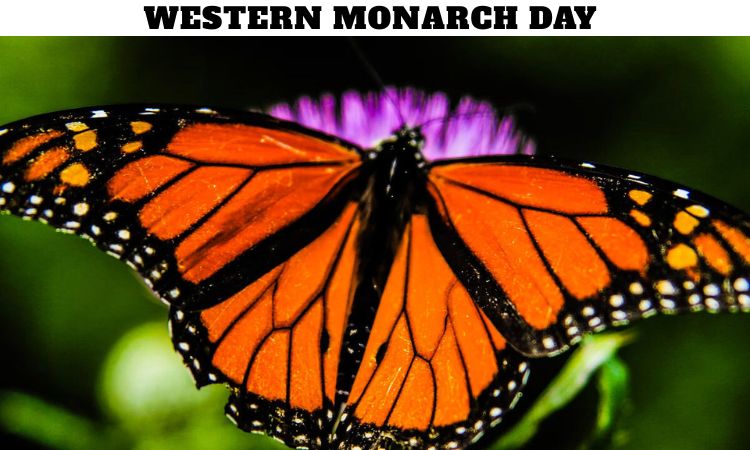
What Is Western Monarch Day, and Why Is It Observed on February 5?
Western Monarch Day, observed annually on February 5, is a significant environmental awareness day dedicated to protecting and celebrating the Western Monarch butterfly, a vital pollinator species native to the western regions of North America. We recognize this day to spotlight the alarming population decline of the Western Monarch and to promote conservation actions that ensure its survival for future generations.
Unlike its eastern counterpart, the Western Monarch follows a unique migratory pattern, overwintering along the California coast rather than in central Mexico. This ecological distinction makes the Western Monarch especially vulnerable to habitat loss, climate change, and human interference, reinforcing the importance of a dedicated observance.
Why Are Western Monarch Butterflies Ecologically Important?
Western Monarch butterflies play a crucial role in maintaining ecosystem balance. We acknowledge their importance as effective pollinators, supporting the reproduction of native plants, agricultural crops, and wildflowers. Their presence contributes directly to biodiversity, soil health, and food security.
Additionally, Western Monarchs serve as indicator species. A decline in their population signals broader environmental issues, including pesticide overuse, loss of native vegetation, and climate instability. By protecting them, we strengthen entire ecosystems.
How Does the Western Monarch Migration Differ From Other Monarch Populations?
The Western Monarch migration is distinct and geographically limited. We observe that these butterflies travel from inland breeding grounds across states such as California, Oregon, Washington, Arizona, and Nevada to overwintering sites along the California coastline, including Monterey, Santa Cruz, and San Diego counties.
Unlike Eastern Monarchs that migrate thousands of miles, Western Monarchs follow shorter yet increasingly fragmented routes. The destruction of coastal overwintering groves and inland breeding habitats has dramatically reduced migration success, making conservation efforts urgent.
What Threats Are Causing the Decline of Western Monarch Butterflies?
We identify multiple interconnected threats contributing to the rapid decline of Western Monarch populations:
Habitat Loss: Urbanization and agricultural expansion have eliminated critical milkweed and nectar sources.
Pesticide Exposure: Herbicides destroy milkweed, while insecticides directly harm butterflies.
Climate Change: Rising temperatures, droughts, and unpredictable weather disrupt migration and breeding cycles.
Deforestation of Overwintering Sites: Coastal eucalyptus and native tree groves are increasingly threatened.
These pressures have caused population numbers to drop by over 99% in recent decades, highlighting the necessity of Western Monarch Day.
How Did Western Monarch Day Originate?
Western Monarch Day was established by conservation organizations, environmental advocates, and community groups to create a unified moment of action. We recognize February 5 as a strategic date during the overwintering season, when monarchs are most vulnerable and public awareness can directly influence protective measures.
The day encourages education, habitat restoration, citizen science participation, and policy advocacy focused specifically on the Western Monarch population.
What Role Does Milkweed Play in Western Monarch Survival?
Milkweed is essential to the Western Monarch life cycle. We emphasize that monarch butterflies lay their eggs exclusively on native milkweed plants, which serve as the sole food source for caterpillars.
The widespread removal of milkweed due to roadside maintenance, farming practices, and landscaping preferences has severely limited breeding opportunities. Restoring native milkweed species is one of the most effective conservation strategies.
How Can Individuals Actively Participate in Western Monarch Day?
We encourage meaningful participation through practical and impactful actions:
Plant Native Milkweed and Nectar Plants
Create Pollinator-Friendly Gardens
Avoid Chemical Pesticides
Support Local Conservation Groups
Educate Communities and Schools
Participate in Monarch Counts and Citizen Science Projects
These actions collectively contribute to habitat restoration and data collection essential for long-term conservation planning.
What Are the Best Plants to Support Western Monarch Butterflies?
We recommend planting region-specific native species to ensure ecological compatibility. Effective plants include:
Native Milkweed Varieties (Asclepias fascicularis, Asclepias speciosa)
California Buckwheat
Goldenrod
Lantana
Verbena
Yarrow
Native plants require less water, support local wildlife, and provide optimal nutrition for monarchs.
How Do Conservation Organizations Support Western Monarch Protection?
Numerous organizations lead conservation initiatives focused on Western Monarchs. We acknowledge their work in:
Habitat restoration projects
Scientific research and population monitoring
Public education campaigns
Policy advocacy and land protection
Collaboration between nonprofits, government agencies, and communities remains essential to reversing population decline.
Why Is Public Awareness Critical on Western Monarch Day?
Public awareness drives action. We recognize that informed communities are more likely to adopt sustainable practices, support conservation funding, and advocate for protective legislation.
Western Monarch Day catalyzes widespread engagement, encouraging individuals, schools, businesses, and policymakers to prioritize pollinator health.
What Long-Term Benefits Arise From Protecting Western Monarchs?
Protecting Western Monarch butterflies yields long-term ecological and economic benefits. We see improved biodiversity, healthier ecosystems, and enhanced agricultural productivity through increased pollination.
Furthermore, conservation efforts foster environmental stewardship, ensuring resilient landscapes capable of adapting to climate challenges.
How Can Schools and Educational Institutions Observe Western Monarch Day?
We promote educational initiatives that integrate conservation into learning environments:
Butterfly garden projects
Science-based curriculum modules
Virtual field trips and expert talks
Art and storytelling centered on monarch migration
Educating young generations builds lasting commitment to environmental protection.
What Is the Future Outlook for Western Monarch Butterflies?
While challenges remain, we remain optimistic. Recent conservation efforts have shown that population recovery is possible when habitats are restored and communities act collectively.
Western Monarch Day reinforces the message that targeted action, informed choices, and sustained commitment can safeguard this iconic species.
Why Should Western Monarch Day Matter to Everyone?
Western Monarch Day matters because pollinator health directly impacts food systems, biodiversity, and climate resilience. We understand that protecting butterflies is not symbolic—it is essential.
By recognizing February 5 as Western Monarch Day, we affirm our responsibility to protect nature and preserve ecological balance.