

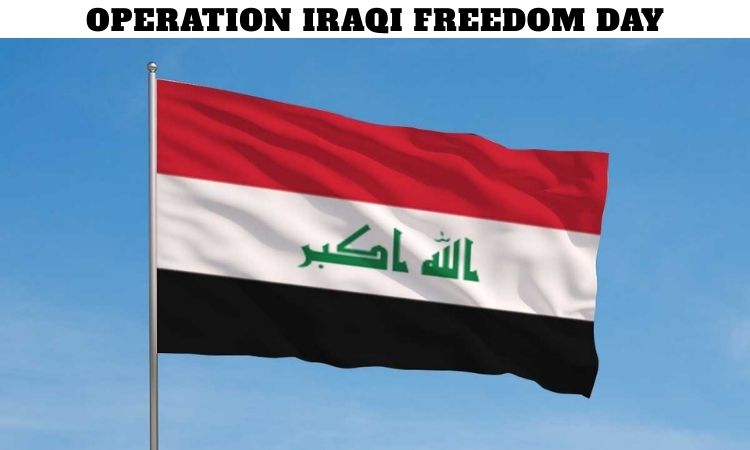
Every year on March 19, observers, historians, veterans, and global citizens reflect on Operation Iraqi Freedom, a significant military campaign that reshaped international relations and the geopolitical landscape of the early 21st century. Often referred to as Operation Iraqi Freedom Day, this observance provides an opportunity to examine the origins, events, consequences, and long-term implications of the conflict that began in 2003.
This day is not merely about recalling military action; it is about understanding history, honoring experiences, and recognizing the complex realities of war and peace. Through education, reflection, and dialogue, Operation Iraqi Freedom Day encourages us to evaluate lessons from the past while striving toward a more stable global future.
The Background Leading to Operation Iraqi Freedom
The early 2000s were marked by heightened global security concerns and shifting international alliances. Political tensions, intelligence assessments, and debates regarding weapons programs created an environment in which military intervention became a focal point of international policy discussions.
On March 19, 2003, coalition forces led by the United States initiated Operation Iraqi Freedom with the stated objective of dismantling perceived threats and promoting stability in the region. This decision followed months of diplomatic negotiations, United Nations deliberations, and intense public discourse across multiple countries.
The campaign represented one of the most widely discussed military interventions of modern times, drawing global attention to issues of sovereignty, humanitarian responsibility, and international law.
The Initial Phase of the Military Campaign
The opening phase of Operation Iraqi Freedom involved strategic airstrikes, ground offensives, and rapid troop movements. Military planners emphasized speed and technological superiority to achieve swift operational goals.
Within weeks, coalition forces advanced toward key cities, including Baghdad. The rapid collapse of centralized governmental control signaled a turning point in the campaign. Media coverage during this period brought real-time images and reports into households worldwide, shaping public perception and debate.
This phase demonstrated how modern warfare had evolved through the integration of advanced communication systems, precision-guided weaponry, and coordinated multinational efforts.
Global Reactions and Diplomatic Impact
Operation Iraqi Freedom generated varied reactions across the international community. Some nations expressed support, viewing the intervention as a necessary step toward regional security. Others opposed the action, citing concerns about legality, humanitarian consequences, and long-term stability.
Public demonstrations took place in numerous cities worldwide, reflecting the deep divisions in opinion. Diplomatic relations between certain countries were tested, while alliances were strengthened in other contexts.
This moment in history underscored the importance of multilateral dialogue and highlighted the challenges of achieving consensus on complex global issues.
Humanitarian and Social Dimensions
Beyond military objectives, Operation Iraqi Freedom had profound humanitarian and social implications. Civilian populations faced disruptions to daily life, including displacement, infrastructure damage, and economic hardship.
International organizations and non-governmental groups mobilized to assist, focusing on healthcare, food security, and reconstruction efforts. Communities within Iraq navigated transitions in governance, security structures, and societal norms.
Operation Iraqi Freedom Day encourages reflection on these human experiences, emphasizing empathy and awareness of the far-reaching consequences of conflict.
Economic Consequences and Reconstruction Efforts
The campaign significantly influenced economic conditions both regionally and globally. Reconstruction initiatives aimed to rebuild essential infrastructure such as transportation networks, schools, hospitals, and energy facilities.
Foreign investment, development programs, and policy reforms were introduced to support economic recovery. However, challenges such as instability and resource management complexities affected the pace and outcomes of these efforts.
The economic dimension of Operation Iraqi Freedom highlights the interconnected nature of global markets and the long-term impact of geopolitical decisions.
Technological and Strategic Lessons
Operation Iraqi Freedom showcased advancements in military technology and strategic planning. The use of satellite navigation, unmanned aerial vehicles, and real-time intelligence systems reflected a new era of warfare.
Military analysts continue to study the campaign to understand operational effectiveness, coalition coordination, and adaptive strategies. These lessons influence defense policies, training methodologies, and international security frameworks.
Recognizing these developments allows observers to appreciate how historical events shape contemporary approaches to conflict prevention and crisis management.
Media Influence and Public Awareness
One defining feature of Operation Iraqi Freedom was the extensive role of global media. Journalists embedded with military units provided continuous updates, offering audiences unprecedented access to unfolding events.
This coverage contributed to increased public engagement with foreign policy issues. Citizens worldwide participated in discussions about ethics, accountability, and the responsibilities of governments in times of conflict.
Operation Iraqi Freedom Day serves as a reminder of the power of information and the importance of informed civic participation.
Cultural and Political Transformations
The aftermath of the campaign brought significant political changes within Iraq. Efforts to establish new governance structures, electoral processes, and constitutional frameworks represented a period of transformation.
Cultural exchanges, diaspora experiences, and international collaborations further influenced societal development. These changes illustrate how historical events extend beyond immediate outcomes to shape identity, memory, and national narratives.
The Role of Veterans and Military Families
Operation Iraqi Freedom Day also acknowledges the experiences of service members and their families. Many individuals involved in the campaign faced physical, emotional, and psychological challenges upon returning home.
Veteran support programs, community initiatives, and public recognition efforts aim to honor their contributions and provide resources for reintegration. Observing this day encourages societies to express gratitude and foster understanding for those impacted by military service.
Educational Importance of Remembering Operation Iraqi Freedom
Studying Operation Iraqi Freedom helps students, researchers, and policymakers gain insights into decision-making processes, conflict resolution, and international cooperation.
Educational institutions often use this historical event as a case study to explore topics such as diplomacy, ethics, and global governance. By examining diverse perspectives, learners develop critical thinking skills and a deeper appreciation for complexity in world affairs.
Commemorative Activities on March 19
Various organizations and communities observe Operation Iraqi Freedom Day through:
Panel discussions and academic seminars
Documentary screenings and historical exhibitions
Veteran recognition ceremonies
Public forums promoting peace and dialogue
These activities encourage reflection, remembrance, and constructive conversations about the future.
Long-Term Global Implications
The influence of Operation Iraqi Freedom continues to shape international relations, defense strategies, and humanitarian policies. Lessons learned from the campaign inform contemporary approaches to crisis response and alliance-building.
As global challenges evolve, understanding past interventions helps leaders navigate emerging threats and opportunities with greater awareness.
Promoting Peace and Cooperation
While Operation Iraqi Freedom Day focuses on a specific historical event, its broader message emphasizes the importance of peace, diplomacy, and cooperation. By reflecting on the complexities of conflict, societies can work toward solutions that prioritize stability and human dignity.
Initiatives promoting intercultural dialogue, economic development, and environmental sustainability contribute to building resilient communities worldwide.
Conclusion: Reflecting on History to Shape the Future
Operation Iraqi Freedom Day on March 19 invites us to engage with history thoughtfully and responsibly. By examining the causes, consequences, and lessons of Operation Iraqi Freedom, we gain valuable insights into the interconnected nature of global events.
Frequently Asked Questions (FAQs)
1. What is Operation Iraqi Freedom Day?
Operation Iraqi Freedom Day is observed on March 19 to remember the beginning of the military campaign in Iraq in 2003 and to reflect on its historical impact.
2. When did Operation Iraqi Freedom begin?
The campaign officially began on March 19, 2003, when coalition forces initiated military operations in Iraq.
3. Which countries were involved in Operation Iraqi Freedom?
The operation was led by the United States along with coalition partners, including the United Kingdom and several other allied nations.
4. What was the main objective of Operation Iraqi Freedom?
The stated objectives included addressing security concerns, removing perceived threats, and promoting political stability in the region.
5. How long did major combat operations last?
Major combat operations were declared complete in May 2003, although military presence and related conflicts continued for years afterward.
6. How did Operation Iraqi Freedom affect global politics?
The operation significantly influenced international relations, diplomatic alliances, and debates about military intervention and global security.
7. What were the humanitarian impacts of the operation?
The conflict led to civilian displacement, infrastructure damage, economic challenges, and increased humanitarian aid efforts.
8. How is Operation Iraqi Freedom Day observed?
People may observe the day through educational discussions, veteran recognition events, historical reflections, and peace-focused activities.
9. What lessons are often discussed regarding Operation Iraqi Freedom?
Common lessons include the importance of diplomacy, strategic planning, international cooperation, and understanding long-term consequences of conflict.
10. Why is it important to remember Operation Iraqi Freedom?
Remembering the event helps societies learn from history, honor those affected, and encourage efforts toward peace and global stability.