

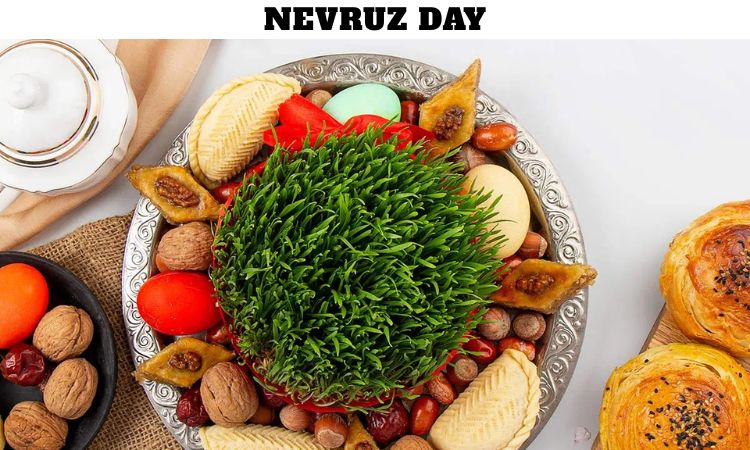
Nevruz Day, observed around March 22, is one of the most ancient and meaningful cultural celebrations marking the arrival of spring and the beginning of the new year in many regions. Rooted in centuries-old traditions, Nevruz symbolizes renewal, hope, harmony, and the triumph of light over darkness. The festival is widely celebrated across Central Asia, the Middle East, the Caucasus, the Balkans, and parts of South Asia.
The word “Nevruz” means “new day”, reflecting the seasonal transition that occurs during the spring equinox. As nature awakens from winter’s dormancy, communities gather to celebrate life, prosperity, and unity. Over time, Nevruz has evolved into a vibrant cultural event that combines rituals, feasting, music, dance, and social bonding.
Historical Origins and Cultural Roots
Nevruz has its origins in ancient Persian civilization and is deeply associated with Zoroastrian traditions, one of the world’s oldest monotheistic belief systems. The festival dates back more than 3,000 years, highlighting its enduring significance across generations.
Historically, Nevruz marked the start of the agricultural year. Farmers viewed it as a time to prepare fields for planting and seek blessings for abundant harvests. Communities also considered it an opportunity to renew social ties, resolve conflicts, and express gratitude for nature’s gifts.
Today, Nevruz is officially recognized as an international cultural heritage celebration by the UNESCO, emphasizing its universal message of peace and cultural diversity.
Connection with the Spring Equinox
Nevruz coincides with the spring equinox, a celestial event when day and night are nearly equal in length. This natural phenomenon symbolizes balance and transformation, making it a fitting moment to celebrate new beginnings.
The alignment of the sun during this period has historically guided calendars, agricultural cycles, and religious observances. Ancient astronomers and scholars carefully observed the equinox to determine the exact timing of the festival.
By honoring the rhythms of nature, Nevruz highlights humanity’s deep connection to the environment and the importance of living in harmony with seasonal cycles.
Traditional Customs and Rituals
Nevruz celebrations are rich in symbolic rituals that vary by region but share common themes of purification, prosperity, and unity.
Cleaning and Preparation
Before the festival, families engage in thorough cleaning of homes and public spaces. This practice represents removing negativity and welcoming positive energy. People also purchase new clothes and decorate living areas with flowers and colorful textiles.
Lighting Bonfires
In many cultures, lighting bonfires is a central Nevruz tradition. Participants jump over flames to symbolize cleansing from past hardships and embracing a brighter future. Fire, considered a sacred element, represents transformation and spiritual renewal.
Visiting Relatives and Neighbors
Social visits are an integral part of Nevruz. Families exchange greetings, share meals, and strengthen relationships. These gatherings foster community cohesion and reinforce cultural values.
Festive Foods and Culinary Traditions
Food plays a significant role in Nevruz celebrations. Special dishes prepared during the festival often carry symbolic meanings related to fertility, abundance, and good fortune.
One popular tradition involves setting up a ceremonial table known as “Haft-Seen”, featuring seven items that begin with the Persian letter “S.” These items may include sprouts, apples, garlic, vinegar, coins, and sweets, each representing a unique blessing such as health, prosperity, or patience.
Across different regions, people prepare festive delicacies like rice pilaf, stuffed pastries, sweet puddings, and dried fruit mixes. Sharing these meals reflects hospitality and gratitude.
Music, Dance, and Cultural Performances
Nevruz is celebrated with vibrant cultural performances that showcase traditional music, dance, and storytelling. Folk instruments, rhythmic drumming, and colorful costumes create an atmosphere of joy and celebration.
Public squares and community centers often host festivals featuring theatrical reenactments, poetry recitals, and craft exhibitions. These events help preserve cultural heritage while promoting artistic expression.
Youth participation in dance and music programs ensures that traditions are passed down to future generations, strengthening cultural identity.
Regional Variations of Nevruz Celebrations
Although Nevruz shares a common origin, its observance differs across countries and ethnic groups.
In Iran, Nevruz marks the official beginning of the Persian New Year and is celebrated with elaborate decorations and extended family gatherings. In Turkey, festivities often include outdoor events, concerts, and symbolic rituals involving fire.
Central Asian nations such as Kazakhstan and Uzbekistan observe Nevruz with traditional games, horse races, and communal feasts. These regional variations enrich the festival’s global character while maintaining its core message of renewal.
Modern Significance and Global Recognition
In contemporary society, Nevruz continues to serve as a bridge between tradition and modernity. Urban communities celebrate through public festivals, educational programs, and cultural exhibitions that highlight historical narratives and shared values.
International organizations and cultural institutions promote Nevruz as a symbol of intercultural dialogue and peaceful coexistence. The United Nations has recognized the festival’s importance by designating an International Day of Nowruz, encouraging global participation.
This recognition underscores Nevruz’s relevance in fostering mutual understanding in an increasingly interconnected world.
Environmental and Social Themes
Nevruz celebrations often emphasize environmental stewardship. Planting trees, cleaning natural spaces, and promoting sustainable practices align with the festival’s focus on renewal and respect for nature.
Socially, Nevruz encourages charitable activities and community support. Donations to those in need, volunteering efforts, and inclusive celebrations reinforce the values of compassion and solidarity.
These initiatives demonstrate how ancient traditions can inspire contemporary solutions to social and environmental challenges.
Educational and Youth Engagement
Schools and universities play an essential role in promoting awareness about Nevruz. Educational programs introduce students to the festival’s history, symbolism, and cultural diversity.
Workshops on traditional crafts, cooking demonstrations, and storytelling sessions create interactive learning experiences. By engaging young people, communities ensure that Nevruz remains a living tradition rather than a historical relic.
Digital platforms further expand outreach, allowing global audiences to participate virtually and learn about regional customs.
Economic and Tourism Impact
Nevruz festivals contribute to local economies by attracting tourists interested in cultural experiences. Markets selling handicrafts, traditional clothing, and regional foods benefit from increased visitor traffic.
Hospitality industries, including hotels and restaurants, often offer themed packages and special menus during the celebration period. Cultural tourism associated with Nevruz promotes heritage preservation while generating income for communities.
This economic dimension highlights the festival’s multifaceted value beyond its spiritual and social significance.
Future Outlook and Cultural Preservation
As globalization influences cultural practices, preserving traditional festivals like Nevruz becomes increasingly important. Documentation of rituals, support for cultural practitioners, and integration of heritage education into curricula can help sustain the festival’s legacy.
Technological innovation also offers opportunities to modernize celebrations without losing authenticity. Virtual reality experiences, digital archives, and global livestream events enable broader participation.
By adapting to contemporary contexts, Nevruz can continue to inspire unity and resilience for generations to come.
Conclusion
Nevruz Day stands as a timeless celebration of renewal, cultural richness, and human connection. Rooted in ancient traditions yet relevant in modern society, the festival encourages individuals and communities to embrace change, nurture relationships, and respect the natural world.
Frequently Asked Questions (FAQs)
1. What is Nevruz Day?
Nevruz Day is a traditional festival that celebrates the arrival of spring and the beginning of the new year in many cultures across Asia and the Middle East.
2. When is Nevruz Day celebrated?
Nevruz is usually celebrated on March 21 or March 22, coinciding with the spring equinox.
3. What does the word “Nevruz” mean?
The word “Nevruz” means “new day,” symbolizing renewal, fresh beginnings, and the start of a new seasonal cycle.
4. Which countries celebrate Nevruz?
Nevruz is widely celebrated in countries such as Iran, Turkey, Azerbaijan, Kazakhstan, and Uzbekistan.
5. What is the historical origin of Nevruz?
Nevruz has ancient roots in Persian culture and Zoroastrian traditions, dating back more than 3,000 years.
6. How do people celebrate Nevruz?
Celebrations include cleaning homes, wearing new clothes, lighting bonfires, preparing festive foods, and visiting family and friends.
7. What is the Haft-Seen table?
Haft-Seen is a traditional display featuring seven symbolic items, each representing blessings like health, prosperity, and patience.
8. Why are bonfires important during Nevruz?
Jumping over bonfires symbolizes purification, letting go of past troubles, and welcoming positive energy.
9. Is Nevruz recognized internationally?
Yes, Nevruz is recognized as a cultural heritage celebration by organizations such as UNESCO.
10. What is the main message of Nevruz?
The festival promotes hope, unity, renewal, cultural harmony, and respect for nature.