

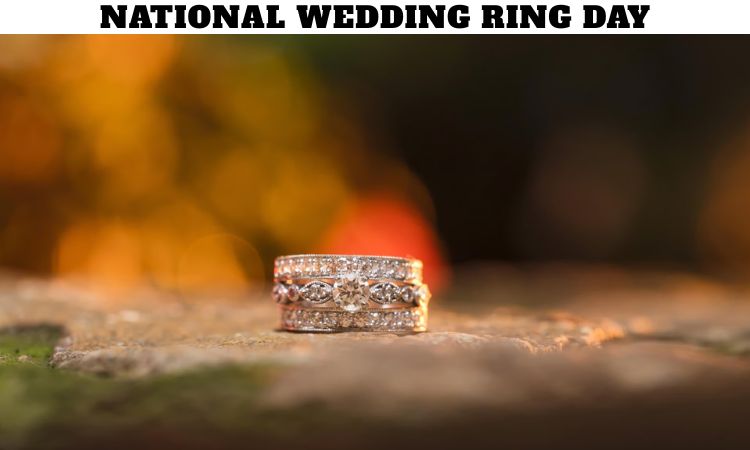
National Wedding Ring Day, celebrated every year on February 3, is a meaningful occasion dedicated to honoring one of the most powerful symbols of love and unity—the wedding ring. We recognize this day as a tribute to enduring commitment, emotional bonding, and the sacred promise exchanged between partners. Across cultures and generations, wedding rings have stood as timeless emblems of loyalty, devotion, and everlasting affection.
This day encourages couples, families, jewelers, and romantics alike to reflect on the significance of wedding rings and the profound emotions they represent. From ancient traditions to modern expressions of love, National Wedding Ring Day holds a special place in the celebration of marriage and lifelong partnership.
The Historical Significance of Wedding Rings
Wedding rings trace their origins back thousands of years. We find early evidence in ancient Egypt, where rings crafted from braided reeds symbolized eternity due to their circular shape. The Romans later adopted the tradition, introducing metal rings as a public declaration of marriage.
Over centuries, wedding rings evolved in design, material, and symbolism. Gold became the preferred metal, representing purity and permanence. Diamonds gained prominence much later, symbolizing strength and unbreakable bonds. Today, wedding rings reflect both heritage and individuality, blending tradition with personal expression.
Why February 3 Is Celebrated as National Wedding Ring Day?
February, often associated with romance and love, provides the perfect backdrop for National Wedding Ring Day. Positioned just before Valentine’s season, February 3 serves as a reminder of committed love beyond gestures, focusing on the lasting promises couples make to each other.
We observe this day to appreciate the emotional value of wedding rings, revisit vows, and celebrate the journey of marriage. It is also a moment to recognize the craftsmanship behind fine jewelry and the evolving styles that resonate with modern couples.
Symbolism Behind the Wedding Ring
The wedding ring carries profound symbolism that transcends cultures and borders:
The Circle: Represents infinity, wholeness, and eternal love
The Left Ring Finger: Traditionally believed to contain the vena amoris, or vein of love
Precious Metals: Symbolize durability, purity, and value
Gemstones: Reflect individuality, milestones, and emotional depth
We view the wedding ring not merely as jewelry but as a deeply personal symbol of shared life, trust, and mutual respect.
Modern Wedding Ring Trends and Styles
As relationships evolve, so do wedding ring designs. National Wedding Ring Day highlights contemporary trends that reflect personal values and modern aesthetics:
Minimalist Wedding Rings
Clean lines, subtle finishes, and understated elegance define minimalist rings. These designs appeal to couples who value simplicity and timeless style.
Customized and Engraved Rings
Personalized engravings—names, dates, or meaningful phrases—add emotional depth. Custom designs allow couples to tell their unique love story through their rings.
Alternative Metals
Beyond traditional gold and platinum, modern rings now feature titanium, tungsten, rose gold, and palladium, offering durability and distinctive appeal.
Sustainable and Ethical Rings
Eco-conscious couples increasingly choose conflict-free diamonds, lab-grown gemstones, and recycled metals, aligning love with responsibility.
The Emotional Importance of Wedding Rings in Marriage
We recognize wedding rings as daily reminders of commitment. Worn through life’s joys and challenges, they serve as constant symbols of unity and shared purpose. Wedding rings often become cherished heirlooms, passed down through generations, carrying stories of love, resilience, and family legacy.
On National Wedding Ring Day, couples are inspired to reconnect emotionally, reflect on their journey, and reaffirm their vows—sometimes with a simple glance at the ring that started it all.
How Couples Celebrate National Wedding Ring Day?
Celebrations vary, but the sentiment remains universal. Common ways we observe this day include:
Renewing vows in intimate or ceremonial settings
Upgrading or redesigning wedding rings to mark milestones
Gifting anniversary bands or eternity rings
Sharing love stories and ring journeys on social platforms
Visiting jewelers to explore new designs and craftsmanship
These moments reinforce the emotional and symbolic importance of wedding rings in everyday life.
Wedding Rings Across Cultures
Wedding ring traditions differ worldwide, yet the symbolism remains consistent:
In Western cultures, rings are worn on the left hand
In Eastern Europe and parts of Asia, the right hand is preferred
In Indian weddings, rings complement other sacred symbols like the mangalsutra
In Nordic traditions, engagement and wedding rings are often identical
We celebrate this diversity on National Wedding Ring Day, acknowledging how love and commitment are universally cherished, regardless of cultural expression.
The Role of Jewelers and Craftsmanship
Behind every wedding ring lies expert craftsmanship. Jewelers combine artistry, precision, and emotion to create pieces meant to last a lifetime. National Wedding Ring Day also honors these artisans who transform raw materials into symbols of love.
From hand-carved bands to precision-set diamonds, each ring reflects dedication, skill, and attention to detail. This craftsmanship ensures that wedding rings endure not just physically, but emotionally.
Wedding Rings as a Reflection of Personal Identity
Modern couples increasingly choose rings that reflect their personalities and values. Whether bold, classic, artistic, or unconventional, wedding rings today represent individuality within unity.
We see rings engraved with coordinates, fingerprints, or symbolic motifs—each design telling a personal story. National Wedding Ring Day celebrates this freedom of expression while honoring the tradition at its core.
Why National Wedding Ring Day Matters Today?
In a fast-paced world, National Wedding Ring Day invites us to pause and reflect on meaningful commitments. Wedding rings remind us of promises made, love nurtured, and bonds strengthened over time.
This day reinforces the idea that marriage is not defined by ceremonies alone, but by daily acts of respect, trust, and partnership—symbolized beautifully by the wedding ring.
Conclusion: Celebrating Eternal Bonds on February 3
National Wedding Ring Day stands as a heartfelt celebration of love, unity, and timeless commitment. We honor wedding rings not just as ornaments, but as enduring symbols of shared journeys and lifelong promises.