

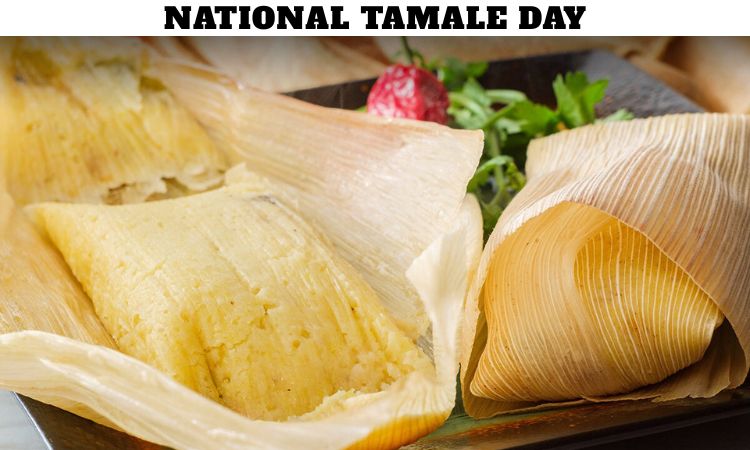
National Tamale Day, celebrated on f 23, is a vibrant culinary celebration dedicated to one of the most beloved and historic dishes in the world—tamales. Rich in flavor, wrapped in tradition, and deeply rooted in cultural heritage, tamales are more than just food; they represent community, history, and shared experiences across generations.
We recognize this day as an opportunity to honor the artistry behind tamale-making, the cultural significance it holds, and the joy it brings to millions of people globally. From family kitchens to festive gatherings, tamales symbolize warmth, unity, and celebration.
The History and Origins of Tamales
Tamales date back thousands of years to ancient Mesoamerican civilizations such as the Aztecs, Mayans, and Olmecs. These early cultures relied on tamales as a portable and nourishing food, often prepared for warriors, travelers, and hunters.
Made from masa (corn dough) and filled with a variety of ingredients, tamales were wrapped in corn husks or banana leaves and steamed to perfection. This method of preparation not only preserved the food but also made it easy to carry.
We understand that tamales have evolved over time, adapting to regional ingredients and culinary traditions. Today, they remain a powerful symbol of cultural identity and culinary heritage, especially in Latin American communities.
What Makes Tamales Unique?
The Essential Components of a Tamale
A traditional tamale consists of three main elements:
- Masa – A soft dough made from corn, often mixed with lard or vegetable shortening
- Filling – This can include meats, cheeses, vegetables, or sweet ingredients
- Wrapper – Typically corn husks or banana leaves that encase the tamale during steaming
Each component contributes to the tamale’s distinct texture, aroma, and flavor profile.
Savory and Sweet Varieties
Tamales come in a wide range of flavors, including:
- Savory tamales filled with chicken, pork, beef, or beans
- Sweet tamales made with sugar, cinnamon, fruits, or chocolate
We appreciate the versatility of tamales, as they cater to diverse tastes and dietary preferences.
Cultural Significance of Tamales
A Dish Rooted in Tradition
Tamales are often associated with family gatherings, holidays, and celebrations. In many cultures, the process of making tamales—known as a “tamalada”—is a communal activity where families come together to prepare large batches.
This tradition fosters connection, storytelling, and the passing down of culinary knowledge from one generation to the next.
Tamales in Festive Celebrations
Tamales play a central role in various celebrations, including:
- Christmas and New Year festivities
- Religious ceremonies
- Weddings and birthdays
We recognize that tamales are more than a dish—they are a symbol of unity and shared heritage.
How National Tamale Day Is Celebrated?
Cooking and Sharing Tamales
On National Tamale Day, people celebrate by preparing homemade tamales or purchasing them from local vendors. Sharing tamales with family and friends is a common way to mark the occasion.
Supporting Local Businesses
Many restaurants and food vendors offer special promotions on tamales. Supporting these businesses helps preserve traditional recipes and encourages culinary diversity.
Hosting Tamale-Making Gatherings
We often celebrate by organizing tamaladas, where participants collaborate in making tamales while enjoying each other’s company.
Step-by-Step Guide to Making Tamales
Ingredients Needed
- Corn masa flour
- Broth (chicken or vegetable)
- Fat (lard or oil)
- Fillings of choice
- Corn husks or banana leaves
Preparation Process
- Prepare the masa dough by mixing masa flour with broth and fat until smooth
- Soak the husks or leaves to make them pliable
- Spread the masa evenly on the wrapper
- Add the filling in the center
- Fold and seal the tamale
- Steam for 1–2 hours until fully cooked
We emphasize patience and care during this process, as it ensures authentic flavor and texture.
Regional Variations of Tamales
Mexican Tamales
Mexican tamales are among the most well-known, featuring fillings like red chili pork, green salsa chicken, and cheese with peppers.
Central American Tamales
In countries like Guatemala and El Salvador, tamales are often wrapped in banana leaves and may include rice-based dough and complex sauces.
South American Tamales
Regions such as Colombia and Venezuela offer their own versions, often larger in size and filled with meat, vegetables, and spices.
We celebrate the diversity of tamales, as each variation reflects unique cultural influences.
Health and Nutritional Aspects of Tamales
Tamales can be both nutritious and satisfying, depending on their ingredients. They provide:
- Carbohydrates from masa
- Protein from fillings
- Essential vitamins and minerals
For healthier options, we can choose lean meats, plant-based fillings, and reduced-fat masa.
Tips for Perfect Tamales
- Use high-quality masa for better texture
- Season generously to enhance flavor
- Do not overfill to prevent tearing
- Steam properly to ensure even cooking
We believe that attention to detail is key to mastering the art of tamale-making.
The Global Popularity of Tamales
Tamales have gained international recognition, appearing in restaurants and homes worldwide. Their adaptability allows them to fit into various cuisines while maintaining their traditional roots.
We see this global appreciation as a testament to the timeless appeal and versatility of tamales.
Why National Tamale Day Matters?
National Tamale Day is not just about food—it is about preserving culture, celebrating diversity, and bringing people together. It encourages us to:
- Explore traditional recipes
- Support local communities
- Appreciate cultural heritage
We embrace this day as a reminder of the importance of food as a cultural connector.
Creative Ways to Celebrate National Tamale Day
- Host a tamale tasting party
- Experiment with new fillings and flavors
- Share recipes with friends and family
- Document your cooking experience on social media
These activities help keep the tradition alive while adding a modern twist.
Conclusion: Honoring Tradition Through Flavor
National Tamale Day on March 23 is a celebration of history, culture, and culinary excellence. We honor the generations who have preserved this tradition and continue to share it with the world.
Frequently Asked Questions (FAQs)
1. What is National Tamale Day?
National Tamale Day, celebrated on March 23, is a day dedicated to honoring tamales, a traditional dish with deep cultural roots in Latin American cuisine.
2. Why are tamales so significant culturally?
Tamales represent heritage, tradition, and community, often prepared during family gatherings and special celebrations across generations.
3. When is National Tamale Day celebrated?
It is celebrated every year on March 23.
4. What are tamales made of?
Tamales are typically made from masa (corn dough), fillings such as meat or vegetables, and wrapped in corn husks or banana leaves before being steamed.
5. Are there different types of tamales?
Yes, tamales come in many varieties, including savory and sweet versions, with regional differences across countries.
6. How can we celebrate National Tamale Day?
We can celebrate by making tamales at home, supporting local vendors, hosting gatherings, or sharing them with friends and family.
7. Are tamales healthy?
Tamales can be nutritious when made with balanced ingredients, including lean proteins and minimal fat.
8. What is a “tamalada”?
A tamalada is a traditional gathering where people come together to prepare large batches of tamales, often as a social and cultural activity.
9. Can tamales be made vegetarian or vegan?
Yes, tamales can be made with plant-based fillings such as beans, vegetables, and vegan-friendly masa.
10. Why should we celebrate National Tamale Day?
We celebrate to honor culinary traditions, appreciate cultural diversity, and enjoy the rich flavors and history of tamales.