

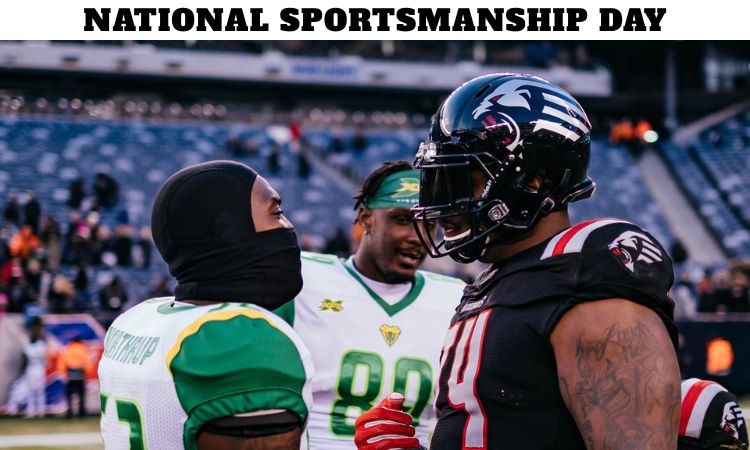
What Is National Sportsmanship Day and Why Is It Celebrated on March 3?
National Sportsmanship Day – March 3 is a powerful observance dedicated to honoring the values of fair play, integrity, respect, teamwork, and ethical behavior in sports and everyday life. On this day, we recognize that victory is meaningful only when achieved with honesty and humility, and defeat becomes honorable when accepted with dignity.
We celebrate this day to reinforce the timeless belief that character matters more than trophies. In stadiums, school playgrounds, professional leagues, and community events, sportsmanship defines the quality of competition. It shapes how athletes interact, how fans behave, and how communities unite.
March 3 stands as a reminder that the true measure of success lies not only in the scoreboard but also in how we conduct ourselves during the game. By embracing sportsmanship, we strengthen bonds across cultures, generations, and nations.
What Does True Sportsmanship Really Mean?
True sportsmanship goes beyond shaking hands after a match. It represents a deep commitment to respect, fairness, discipline, empathy, and self-control. We demonstrate sportsmanship when we:
Respect opponents, officials, and teammates
Follow the rules without seeking unfair advantages
Accept victories with humility
Handle losses with grace
Encourage and uplift others
Sportsmanship is visible in small gestures: applauding a rival’s excellent performance, helping an injured competitor, or accepting a referee’s decision without hostility. These actions reflect maturity and strength of character.
When we cultivate sportsmanship, we elevate sports from mere competition to a platform for personal growth and social harmony.
How Did National Sportsmanship Day Begin?
The foundation of National Sportsmanship Day is rooted in educational and athletic communities that sought to emphasize character development alongside athletic performance. Schools, coaches, and community leaders recognized the need to address increasing aggression and unethical behavior in sports.
The day emerged as a movement to promote positive athletic culture, encouraging students and athletes to value integrity over winning at any cost. Over time, the observance expanded beyond schools into amateur leagues, professional organizations, and corporate team-building environments.
Today, National Sportsmanship Day symbolizes a collective effort to preserve the core values that define honorable competition.
Why Is Sportsmanship Important in Modern Sports?
Modern sports operate in a high-pressure environment driven by media coverage, financial incentives, and global audiences. In such a landscape, the temptation to prioritize victory over ethics can intensify.
Sportsmanship remains critical because it:
Maintains fair competition
Protects the integrity of the game
Encourages safe and respectful participation
Inspires younger generations
Strengthens community relationships
When athletes and teams display sportsmanship, they influence millions. Their behavior sets standards for fans, aspiring players, and society at large. Without sportsmanship, competition becomes hostile, divisive, and damaging.
National Sportsmanship Day reminds us that preserving integrity ensures the long-term health and credibility of sports worldwide.
How Does Sportsmanship Shape Young Athletes?
Youth sports play a pivotal role in shaping character. Through structured competition, children learn discipline, cooperation, resilience, and leadership. However, these lessons only hold value when grounded in sportsmanship.
By emphasizing sportsmanship, we teach young athletes to:
Respect diversity and differences
Manage emotions under pressure
Communicate effectively
Value teamwork over individual glory
Develop resilience after setbacks
National Sportsmanship Day encourages parents, coaches, and educators to prioritize ethical conduct. When young athletes internalize these values early, they carry them into adulthood, influencing workplaces, communities, and relationships.
What Are Real-Life Examples of Exceptional Sportsmanship?
History offers countless examples of athletes who demonstrated remarkable sportsmanship. These stories resonate because they highlight humanity over rivalry.
Acts such as helping an injured competitor cross the finish line, admitting to a referee that a point was mistakenly awarded, or publicly praising an opponent’s skill reflect profound integrity. These moments often become more memorable than championship victories.
National Sportsmanship Day invites us to celebrate such examples and strive to emulate them in our own lives.
How Can Schools and Organizations Celebrate National Sportsmanship Day?
Celebrating National Sportsmanship Day requires thoughtful engagement and community participation. Schools and organizations can organize:
Workshops on ethical competition
Student pledge ceremonies promoting fair play
Recognition awards for sportsmanship excellence
Team-building activities emphasizing cooperation
Panel discussions with coaches and athletes
By hosting structured events, we reinforce the importance of ethical behavior and encourage open conversations about challenges in competitive environments.
This day also provides an opportunity to integrate sportsmanship themes into classroom discussions, leadership programs, and extracurricular activities.
How Does Sportsmanship Extend Beyond the Playing Field?
Sportsmanship is not confined to athletics. Its principles apply to business, education, politics, and personal relationships. In professional settings, sportsmanship translates to:
Respecting colleagues
Competing ethically
Accepting constructive criticism
Collaborating effectively
In daily life, sportsmanship shapes how we handle disagreements, navigate conflicts, and treat others with fairness. National Sportsmanship Day serves as a reminder that integrity is universal.
By embracing sportsmanship values, we foster healthier workplaces, stronger communities, and more respectful dialogue in all areas of life.
What Role Do Coaches and Leaders Play in Promoting Sportsmanship?
Coaches and leaders hold significant influence. Their behavior directly impacts team culture. When leaders model sportsmanship, they set a powerful example.
Effective leaders:
Encourage accountability
Address unsportsmanlike conduct promptly
Reward ethical decisions
Promote inclusive team environments
National Sportsmanship Day emphasizes leadership responsibility. Ethical leadership ensures that competition remains constructive rather than destructive.
How Can Fans Support the Spirit of Sportsmanship?
Fans contribute significantly to the atmosphere of sporting events. Positive crowd behavior enhances experiences for players and spectators alike.
Supportive fans:
Applaud good performances from both teams
Avoid hostile or discriminatory language
Respect officials’ decisions
Encourage safe environments
National Sportsmanship Day reminds us that sportsmanship is a shared responsibility. When fans uphold respectful standards, they reinforce positive values throughout the sporting community.
What Challenges Threaten Sportsmanship Today?
Despite its importance, sportsmanship faces challenges such as:
Overemphasis on winning
Performance-enhancing misconduct
Online harassment
Aggressive fan behavior
Commercial pressures
Addressing these challenges requires consistent education, strong leadership, and community accountability. National Sportsmanship Day strengthens awareness and inspires proactive change.
How Can We Practice Sportsmanship Every Day?
Sportsmanship becomes meaningful when practiced consistently. We can commit to daily actions such as:
Listening respectfully during disagreements
Acknowledging others’ achievements
Handling criticism calmly
Competing ethically in all endeavors
By integrating sportsmanship into our mindset, we create environments built on trust and respect.
Why Does National Sportsmanship Day Matter for the Future?
The future of sports depends on preserving its integrity. As competition evolves with technology and global exposure, maintaining ethical standards becomes increasingly vital.
National Sportsmanship Day is not merely symbolic. It represents a commitment to protecting the essence of competition. It ensures that sports continue to inspire unity, resilience, and character development.
By honoring sportsmanship, we safeguard the values that make sports transformative. We reaffirm that respect, fairness, and dignity define true champions.
Conclusion: How Can We Strengthen the Legacy of Sportsmanship?
National Sportsmanship Day challenges us to elevate competition through integrity. By embracing fair play, respecting opponents, and leading with character, we strengthen not only sports but society itself.