
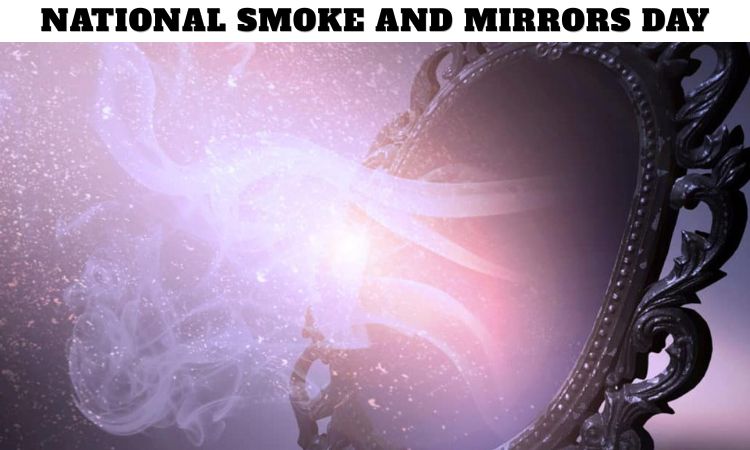
National Smoke and Mirrors Day, observed annually on March 29, is a unique and thought-provoking occasion that highlights the concept of illusion, deception, and misdirection in everyday life. The phrase “smoke and mirrors” has long been used to describe situations where the truth is obscured by clever distractions, making things appear different from reality.
We recognize this day as an opportunity to explore how illusions influence our perception, from stage magic and entertainment to politics, media, and marketing. It is a reminder to look beyond appearances and question what lies beneath the surface.
Meaning of “Smoke and Mirrors”
The term “smoke and mirrors” originates from the world of magic and illusion. Magicians historically used literal smoke and strategically placed mirrors to create visual tricks that amazed audiences.
Today, the phrase has evolved into a metaphor representing:
- Deception or trickery
- Misleading information
- Manipulation of perception
- Illusion created to hide reality
We use this expression to describe situations where the truth is deliberately concealed behind distractions or false impressions.
Historical Origins of Smoke and Mirrors
The roots of smoke and mirrors can be traced back to ancient magic performances, where illusionists relied on simple tools and clever techniques to create astonishing effects.
Early Magic Practices
Magicians used:
- Smoke to obscure vision
- Mirrors to reflect or hide objects
- Lighting to manipulate visibility
These techniques laid the foundation for modern illusions. Over time, the concept extended beyond entertainment and became symbolic of strategic deception in various fields.
Why National Smoke and Mirrors Day Is Celebrated?
We observe National Smoke and Mirrors Day on March 29 to acknowledge the widespread presence of illusion in our lives. This day encourages awareness and critical thinking.
Purpose of the Day
- To highlight the role of illusion in entertainment and storytelling
- To raise awareness about misinformation and manipulation
- To encourage people to question appearances
- To promote analytical thinking and clarity
The observance serves as a reminder that not everything we see or hear is as it seems.
Smoke and Mirrors in Everyday Life
The concept of smoke and mirrors extends far beyond magic shows. It appears in various aspects of modern life.
1. Media and Advertising
Advertising often uses visual tricks and persuasive messaging to create an idealized image of products. These strategies can sometimes mask reality.
2. Politics and Public Messaging
In politics, smoke and mirrors may involve:
- Selective presentation of facts
- Strategic communication
- Diversion from critical issues
3. Social Media
Social platforms frequently showcase curated versions of reality, where images and narratives may not reflect the full truth.
4. Business and Marketing
Companies may use:
- Complex language
- Attractive packaging
- Promotional tactics
These can create perceptions that differ from actual value or quality.
The Psychology Behind Illusions
Understanding smoke and mirrors requires insight into human psychology. Our brains are naturally inclined to interpret information quickly, sometimes leading to misjudgments.
Key Psychological Factors
- Cognitive bias: We tend to believe what aligns with our expectations
- Selective attention: We focus on certain details while ignoring others
- Emotional influence: Feelings can override logical thinking
We acknowledge that these factors make it easier for illusions to succeed, reinforcing the importance of awareness.
Smoke and Mirrors in Entertainment
Entertainment industries have perfected the art of illusion.
Magic Shows
Magicians use:
- Sleight of hand
- Misdirection
- Hidden mechanisms
Movies and Visual Effects
Films rely heavily on:
- Computer-generated imagery
- Editing techniques
- Camera angles
These elements create immersive experiences that blur the line between reality and fiction.
Theatrical Performances
Stage productions use lighting, props, and choreography to create illusions that captivate audiences.
How to Identify Smoke and Mirrors?
Recognizing deception is a valuable skill in today’s information-rich world.
Practical Tips
- Question the source of information
- Look for evidence and transparency
- Avoid relying solely on first impressions
- Compare multiple perspectives
- Be aware of emotional manipulation
We emphasize the importance of critical thinking in distinguishing reality from illusion.
Celebrating National Smoke and Mirrors Day
There are several meaningful ways to observe this unique day.
Explore Magic and Illusions
Watch magic performances or learn simple tricks to understand how illusions work.
Educate Yourself
Read about psychological biases and how they affect perception.
Engage in Discussions
Discuss examples of smoke and mirrors in media, business, or daily life.
Practice Critical Thinking
Analyze information carefully and encourage others to do the same.
The Relevance of Smoke and Mirrors in the Digital Age
In today’s digital era, the concept of smoke and mirrors is more relevant than ever. The abundance of information makes it easier for misleading narratives to spread.
Modern Challenges
- Fake news and misinformation
- Deepfake technology
- Misleading headlines
- Influencer-driven perceptions
We recognize that navigating this environment requires awareness, skepticism, and informed decision-making.
Conclusion
National Smoke and Mirrors Day on March 29 serves as a powerful reminder of the role illusion plays in shaping our perceptions. From magic shows to media narratives, the concept influences how we interpret the world around us.
Frequently Asked Questions (FAQs)
1. What is National Smoke and Mirrors Day?
It is observed on March 29 and focuses on the concept of illusion, deception, and misdirection.
2. What does “smoke and mirrors” mean?
It refers to tricks or strategies used to hide the truth or create a misleading impression.
3. Where did the phrase originate?
It originated from magic performances that used smoke and mirrors to create illusions.
4. Why is this day important?
It promotes awareness of deception and encourages critical thinking.
5. How is smoke and mirrors used in media?
Media may use selective information, visuals, and narratives to shape perception.
6. Can smoke and mirrors be positive?
Yes, in entertainment and storytelling, it enhances creativity and engagement.
7. How can we identify deception?
By questioning sources, verifying facts, and analyzing information critically.
8. Is smoke and mirrors common in business?
Yes, marketing strategies sometimes create perceptions that differ from reality.
9. How does psychology influence illusion?
Cognitive biases and emotions can make individuals more susceptible to deception.
10. How can I celebrate this day?
You can learn about illusions, watch magic shows, and practice critical thinking.