

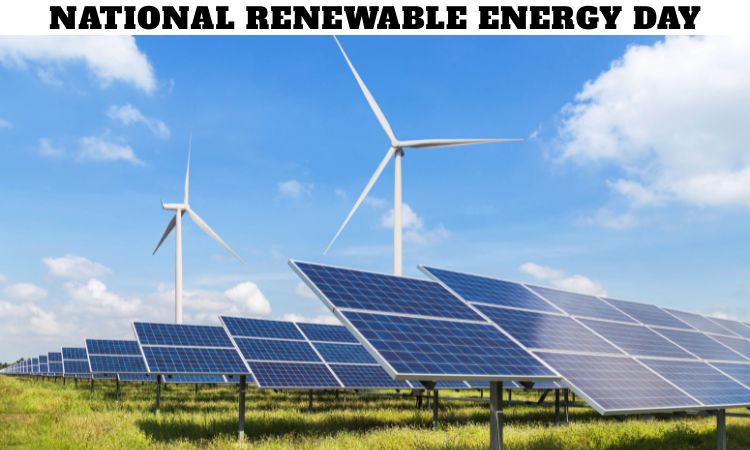
National Renewable Energy Day, observed on March 21, is a significant occasion dedicated to raising awareness about the importance of clean, sustainable, and environmentally friendly energy sources. As the world faces increasing challenges related to climate change, resource depletion, and environmental degradation, this day encourages individuals, organizations, and governments to adopt renewable energy solutions.
We recognize National Renewable Energy Day as a powerful reminder that transitioning to sustainable energy is not only essential for protecting the planet but also crucial for ensuring long-term economic growth, energy security, and social well-being. By celebrating this day, communities around the world reaffirm their commitment to innovation, conservation, and responsible resource management.
Understanding Renewable Energy
Definition and Key Concepts
Renewable energy refers to energy derived from natural sources that are continuously replenished, such as sunlight, wind, water, biomass, and geothermal heat. Unlike fossil fuels, renewable resources do not produce significant greenhouse gas emissions, making them vital for reducing environmental impact.
We consider renewable energy a cornerstone of modern sustainability efforts, enabling societies to meet their energy demands while preserving ecosystems for future generations.
Types of Renewable Energy Sources
Solar Energy: Generated from sunlight using photovoltaic panels or solar thermal systems
Wind Energy: Produced by wind turbines that convert kinetic energy into electricity
Hydropower: Derived from flowing or falling water in rivers and dams
Biomass Energy: Created from organic materials such as agricultural waste and plant residues
Geothermal Energy: Harnessed from heat stored beneath the Earth’s surface
Each of these sources plays a crucial role in diversifying energy supply and reducing dependence on fossil fuels.
Significance of National Renewable Energy Day
Environmental Protection
One of the primary objectives of National Renewable Energy Day is to highlight the importance of reducing carbon emissions and mitigating climate change. Renewable energy technologies help decrease air pollution, protect wildlife habitats, and preserve natural landscapes.
We emphasize that adopting clean energy solutions contributes to healthier communities and improved quality of life.
Energy Security and Independence
Renewable energy enhances national energy security by reducing reliance on imported fuels. Countries investing in local renewable resources can achieve greater stability in energy supply and price control.
This independence strengthens economic resilience and promotes sustainable development.
Economic Growth and Job Creation
The renewable energy sector has become a major driver of employment worldwide. From manufacturing solar panels to installing wind turbines, the industry offers diverse career opportunities.
National Renewable Energy Day encourages investment in green technologies, fostering innovation and entrepreneurship.
Historical Evolution of Renewable Energy Awareness
The concept of renewable energy is not new. Ancient civilizations used windmills for grinding grain and water wheels for irrigation. However, modern awareness gained momentum during the late 20th century, when concerns about environmental sustainability and fossil fuel shortages intensified.
International agreements, scientific research, and technological advancements accelerated the global transition toward renewable energy. Today, National Renewable Energy Day serves as a platform to celebrate progress and inspire continued action.
Connection Between Renewable Energy and Climate Change
Reducing Greenhouse Gas Emissions
Fossil fuel combustion releases large amounts of carbon dioxide and other greenhouse gases. Renewable energy systems generate electricity with minimal emissions, making them essential tools in combating global warming.
We recognize that widespread adoption of clean energy technologies can significantly slow climate change impacts.
Supporting Sustainable Development Goals
Renewable energy aligns with global sustainability initiatives focused on poverty reduction, health improvement, and environmental conservation. Access to affordable, clean power enables communities to achieve better living standards.
How National Renewable Energy Day is Celebrated?
Educational Campaigns and Workshops
Schools, universities, and environmental organizations conduct seminars and awareness programs explaining renewable energy benefits. Topics often include:
Energy conservation techniques
Solar panel installation basics
Climate change mitigation strategies
Sustainable urban planning
These initiatives empower individuals to make informed decisions.
Community Projects and Green Initiatives
Many communities celebrate by launching eco-friendly projects such as:
Installing solar-powered streetlights
Organizing tree-planting drives
Promoting public transportation
Encouraging rooftop gardening
Such actions demonstrate collective responsibility toward environmental protection.
Government and Industry Participation
Governments and corporations use National Renewable Energy Day to announce new policies, investments, and technological innovations. Renewable energy exhibitions and conferences showcase cutting-edge solutions for sustainable power generation.
Technological Innovations in Renewable Energy
Advancements in Solar Power
Modern solar panels are more efficient and affordable than ever before. Innovations like solar batteries, smart grids, and floating solar farms have transformed energy accessibility.
We observe increasing adoption of residential solar systems that enable households to generate their own electricity.
Wind Energy Developments
Offshore wind farms and high-capacity turbines have expanded renewable energy potential. These projects produce large amounts of clean electricity while reducing environmental impact.
Energy Storage Solutions
Battery storage technology allows renewable energy to be used even when sunlight or wind is unavailable. This advancement ensures a reliable power supply and supports grid stability.
Benefits of Renewable Energy Adoption
Environmental Advantages
Lower carbon footprint
Reduced air and water pollution
Preservation of biodiversity
Sustainable resource utilization
Economic Advantages
Decreased fuel costs
Long-term energy savings
Job creation in green industries
Attraction of foreign investment
Social Advantages
Improved public health
Enhanced rural electrification
Increased energy accessibility
We believe renewable energy contributes to inclusive and equitable growth.
Challenges in Renewable Energy Transition
Despite its benefits, renewable energy adoption faces challenges such as:
High initial installation costs
Land and infrastructure requirements
Technological limitations in storage
Policy and regulatory barriers
National Renewable Energy Day highlights the need for collaborative solutions involving governments, industries, and communities.
Role of Individuals in Promoting Renewable Energy
Every individual can contribute to sustainability by:
Using energy-efficient appliances
Installing solar panels where feasible
Supporting green policies
Reducing electricity consumption
Educating others about renewable energy
Small lifestyle changes collectively create a significant environmental impact.
Renewable Energy and Future Generations
Investing in renewable energy ensures that future generations inherit a planet capable of supporting life and economic prosperity. Clean power technologies promote innovation in sectors such as transportation, agriculture, and urban development.
We encourage youth participation in environmental advocacy and green entrepreneurship.
Global Perspective on Renewable Energy Growth
Countries worldwide are setting ambitious renewable energy targets to reduce carbon emissions and achieve sustainability goals. International cooperation and knowledge sharing accelerate technological advancements.
National Renewable Energy Day fosters global solidarity in addressing environmental challenges.
Vision for a Sustainable Energy Future
Looking ahead, renewable energy is expected to dominate global energy systems. Emerging trends include:
Hydrogen fuel development
Electric mobility expansion
Smart energy management systems
Decentralized power generation
These innovations promise cleaner cities, resilient economies, and healthier ecosystems.
Conclusion
National Renewable Energy Day on March 21 is a meaningful celebration of innovation, environmental stewardship, and sustainable progress. By promoting awareness about clean energy sources, this observance inspires individuals and institutions to take proactive steps toward a greener future.
Frequently Asked Questions (FAQs)
1. What is National Renewable Energy Day?
National Renewable Energy Day is an awareness observance celebrated on March 21 to promote the use of clean, sustainable, and eco-friendly energy sources.
2. Why is National Renewable Energy Day important?
It is important because it encourages people, industries, and governments to reduce dependence on fossil fuels and adopt renewable energy solutions to protect the environment.
3. What are the main types of renewable energy?
The main types include solar energy, wind energy, hydropower, geothermal energy, and biomass energy.
4. How does renewable energy help the environment?
Renewable energy helps by reducing greenhouse gas emissions, lowering air pollution, and conserving natural resources, which supports climate change mitigation.
5. How can individuals participate in National Renewable Energy Day?
Individuals can participate by saving electricity, installing solar panels, using energy-efficient appliances, planting trees, and spreading awareness about sustainability.
6. Is renewable energy more expensive than traditional energy?
Although initial installation costs can be high, renewable energy often provides long-term savings and lower operational costs compared to fossil fuels.
7. What role do governments play in promoting renewable energy?
Governments promote renewable energy through policies, subsidies, research funding, and infrastructure development.
8. How does renewable energy create job opportunities?
The renewable sector creates jobs in manufacturing, installation, maintenance, research, and green technology innovation.
9. What challenges does renewable energy face?
Challenges include energy storage limitations, high setup costs, land requirements, and the need for technological advancements.
10. What is the future of renewable energy?
The future is promising, with increasing focus on electric vehicles, smart grids, battery storage, hydrogen fuel, and global sustainability initiatives.