

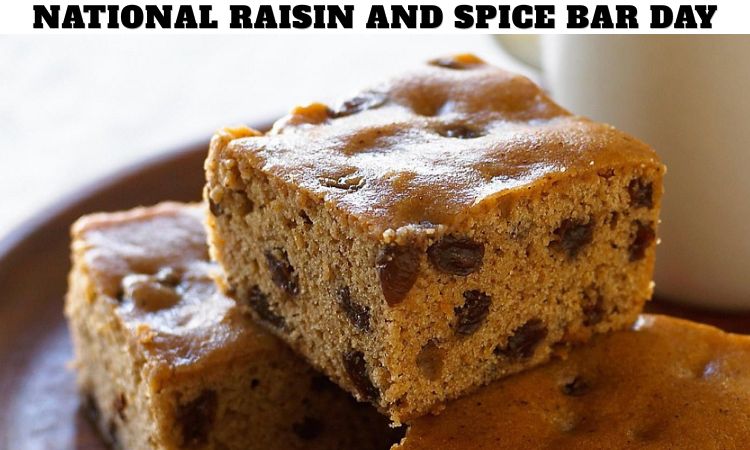
What Is National Raisin and Spice Bar Day, and Why Is It Celebrated on April 5?
National Raisin and Spice Bar Day, celebrated annually on April 5, honors a timeless baked treat that combines the natural sweetness of raisins with the warmth of aromatic spices. This day is dedicated to appreciating the rich heritage of raisin and spice bars, which have long been a staple in home baking traditions.
We celebrate this occasion to recognize the comfort, nostalgia, and culinary artistry associated with these classic dessert bars. Known for their moist texture, balanced sweetness, and fragrant spice blend, raisin and spice bars represent a perfect harmony of flavors that continue to delight generations.
What Are Raisin and Spice Bars and What Makes Them Unique?
Raisin and spice bars are a type of baked dessert made with raisins, flour, sugar, and a blend of spices such as cinnamon, nutmeg, and cloves. These bars are typically soft, chewy, and rich in flavor, offering a satisfying treat for any occasion.
What makes them unique includes:
- Natural sweetness from raisins reduces the need for excessive sugar
- Warm spice profile that enhances depth and aroma
- Moist and tender texture
- Versatility, allowing for variations with nuts or frosting
Their combination of ingredients creates a wholesome yet indulgent dessert.
What Is the History Behind Raisin and Spice Bars?
The origins of raisin and spice bars can be traced back to traditional European baking, where dried fruits and spices were commonly used to create flavorful desserts. As baking techniques evolved, these ingredients became popular in American kitchens, particularly during the early 20th century.
Raisin and spice bars gained popularity due to their affordability, long shelf life, and nutritional value. They were often prepared for family gatherings, holidays, and community events, becoming a symbol of homemade comfort food.
Why Are Raisins an Important Ingredient in Baking?
Raisins play a crucial role in baking due to their natural sweetness, texture, and nutritional benefits. They are dried grapes that retain essential nutrients and provide a concentrated source of flavor.
Benefits of using raisins include:
- Rich in fiber, supporting digestion
- Natural sugars offer a healthier alternative to refined sugar
- Moisture retention, keeping baked goods soft
- Enhanced flavor, adding depth and complexity
Their inclusion in raisin and spice bars contributes to both taste and texture.
What Spices Are Commonly Used in Raisin and Spice Bars?
The defining characteristic of these bars is their aromatic spice blend. Common spices include:
- Cinnamon – Adds warmth and sweetness
- Nutmeg – Provides a slightly nutty and earthy flavor
- Cloves – Offers a strong, spicy note
- Allspice – Combines flavors similar to cinnamon, nutmeg, and cloves
These spices create a rich and inviting aroma, making the bars especially appealing during cooler seasons.
How Are Raisin and Spice Bars Prepared at Home?
Preparing raisin and spice bars at home is a straightforward process that allows for customization:
1. Mixing the Ingredients
Combine flour, sugar, baking powder, spices, and raisins in a mixing bowl.
2. Preparing the Batter
Add wet ingredients such as eggs, milk, and butter to form a smooth batter.
3. Baking
Pour the mixture into a greased baking pan and bake until golden brown.
4. Cooling and Serving
Allow the bars to cool before cutting into squares and serving.
Optional additions like nuts, icing, or glaze can enhance the final product.
What Variations of Raisin and Spice Bars Are Popular?
Over time, bakers have developed numerous variations to suit different tastes:
- Nutty Raisin Bars – Includes walnuts or pecans for added crunch
- Frosted Spice Bars – Topped with cream cheese or vanilla frosting
- Whole Wheat Versions – Made with healthier flour alternatives
- Gluten-Free Bars – Adapted for dietary restrictions
These variations demonstrate the flexibility and adaptability of the recipe.
How Can We Celebrate National Raisin and Spice Bar Day?
There are many enjoyable ways to celebrate National Raisin and Spice Bar Day:
1. Bake at Home
Prepare homemade raisin and spice bars using traditional or modern recipes.
2. Share with Loved Ones
Offer these treats to family, friends, or colleagues as a gesture of warmth.
3. Explore New Recipes
Experiment with different ingredients and flavor combinations.
4. Visit Bakeries
Try professionally made raisin and spice bars from local bakeries.
5. Learn Baking Techniques
Use the day to improve baking skills and knowledge.
What Are the Nutritional Benefits of Raisin and Spice Bars?
While they are a dessert, raisin and spice bars can offer certain nutritional benefits:
- Fiber from raisins and whole grains
- Antioxidants from spices
- Energy from natural sugars
When prepared with balanced ingredients, they can be a healthier alternative to heavily processed sweets.
Why Do Raisin and Spice Bars Hold Cultural Significance?
Raisin and spice bars are more than just a dessert; they are a symbol of home baking traditions and cultural heritage. They evoke memories of:
- Family gatherings and celebrations
- Seasonal baking traditions
- Homemade comfort foods
Their enduring popularity reflects their role in preserving culinary traditions across generations.
What Is the Future of Traditional Baked Goods Like Raisin and Spice Bars?
As modern baking evolves, traditional recipes like raisin and spice bars are being reimagined with health-conscious and innovative approaches:
- Use of organic and natural ingredients
- Incorporation of plant-based alternatives
- Adaptation to dietary preferences
These advancements ensure that raisin and spice bars remain relevant and appreciated in contemporary cuisine.
Frequently Asked Questions (FAQs)
1. When is National Raisin and Spice Bar Day celebrated?
It is celebrated on April 5 each year.
2. What are raisin and spice bars?
They are baked dessert bars made with raisins and aromatic spices.
3. What ingredients are used in these bars?
Common ingredients include raisins, flour, sugar, and spices like cinnamon and nutmeg.
4. Are raisin and spice bars healthy?
They can be relatively healthy due to fiber and natural sugars, especially when made with wholesome ingredients.
5. Can I make these bars at home?
Yes, they are easy to prepare with simple baking techniques.
6. What spices are typically used?
Spices such as cinnamon, cloves, nutmeg, and allspice are commonly used.
7. Can I add nuts to the recipe?
Yes, nuts like walnuts or pecans can be added for extra texture.
8. How should these bars be stored?
They should be stored in an airtight container to maintain freshness.
9. Are there gluten-free versions available?
Yes, recipes can be adapted using gluten-free flour.
10. How can I celebrate this day?
You can celebrate by baking, sharing, or exploring new recipes.