
What Is National Proofreading Day, and Why Is It Observed on March 8?
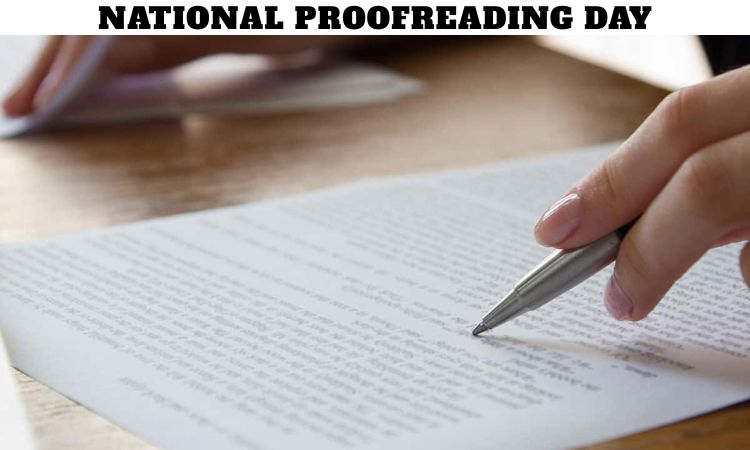
National Proofreading Day, celebrated annually on March 8, is dedicated to promoting the importance of careful writing, editing, and error-free communication. The day encourages individuals, students, professionals, and organizations to review their written content thoroughly before sharing it with others. In an era where digital communication dominates personal and professional interactions, proofreading has become more critical than ever.
The observance was established by Caitlin McIntosh, who created the day in memory of her mother, a professional court reporter who valued precision and accuracy in language. Since its inception, National Proofreading Day National Proofreading Day has gained widespread recognition among educators, writers, editors, and businesses worldwide.
Why Is Proofreading So Important in Modern Communication?
We recognize that clear communication is the foundation of success in education, business, and everyday life. Even minor errors can alter meaning, create confusion, or damage credibility. Proofreading ensures that written content reflects professionalism, accuracy, and attention to detail.
Key reasons proofreading is essential include:
Maintaining credibility – Error-free writing builds trust and authority.
Improving clarity – Correct grammar and punctuation enhance understanding.
Preventing misunderstandings – Small mistakes can change intended meanings.
Enhancing professionalism – Polished communication reflects competence.
Protecting reputation – Businesses and professionals rely on accurate messaging.
In competitive industries, the difference between success and failure often lies in how effectively ideas are communicated.
How Does Proofreading Differ From Editing?
Many people confuse proofreading with editing, but the two processes serve different purposes. We define them as follows:
Editing focuses on improving structure, flow, clarity, and overall content quality.
Proofreading is the final review process that identifies spelling, grammar, punctuation, and formatting errors before publication.
Proofreading acts as the last line of defense against mistakes, ensuring that the content is ready for its intended audience.
What Are the Common Errors Proofreading Helps Prevent?
Proofreading identifies a wide range of mistakes that may otherwise go unnoticed. Some of the most frequent errors include:
Spelling mistakes
Grammar errors
Incorrect punctuation
Typographical errors
Inconsistent formatting
Misused words
Missing words
Incorrect capitalization
Even experienced writers make mistakes, which is why proofreading remains essential regardless of skill level.
Who Benefits Most From Proofreading?
Proofreading is valuable across numerous fields and professions. We observe that the following groups benefit significantly:
Students and academics are preparing essays, research papers, and dissertations.
Business professionals creating reports, proposals, and emails.
Content creators and marketers produce blogs, advertisements, and social media posts.
Authors and journalists publish books, articles, and news content.
Job seekers are preparing resumes and cover letters.
Accurate writing improves opportunities, strengthens communication, and enhances overall impact.
What Role Does Technology Play in Proofreading Today?
Technology has transformed the proofreading process through digital tools that detect grammar and spelling errors instantly. Platforms such as Grammarly and other writing assistants provide automated suggestions that help users refine their work efficiently.
However, we emphasize that human proofreading remains irreplaceable. Automated tools may miss contextual errors, tone issues, or subtle language nuances that require human judgment. The most effective approach combines technology with manual review.
How Can We Celebrate National Proofreading Day?
There are numerous meaningful ways to participate in National Proofreading Day. We can incorporate the following activities:
1. Review Important Documents
Take time to proofread emails, reports, resumes, or academic work. Even previously completed documents can benefit from a fresh review.
2. Improve Writing Skills
Engage in grammar exercises, writing workshops, or online courses to strengthen language proficiency.
3. Help Others Proofread
Offer assistance to friends, colleagues, or students who may need help reviewing their work.
4. Organize Educational Events
Schools and workplaces can host proofreading challenges, seminars, or competitions to raise awareness.
5. Promote Awareness on Social Media
Sharing tips, before-and-after examples, or proofreading advice encourages broader participation.
What Are the Best Proofreading Techniques We Should Follow?
Effective proofreading requires patience and attention to detail. We recommend the following techniques:
Take a break before proofreading to view the text with a fresh perspective.
Read aloud to identify awkward phrasing or missing words.
Print the document to catch errors that may be missed on screens.
Review slowly and carefully rather than rushing.
Check one element at a time, such as grammar, punctuation, or formatting.
Use digital tools as support, not replacement.
Ask another person to review for additional accuracy.
These strategies significantly improve proofreading effectiveness.
Why Does Proofreading Matter in Professional Environments?
In professional settings, communication errors can lead to misunderstandings, financial loss, or reputational damage. We see proofreading as a risk management tool that protects organizations from costly mistakes.
Examples include:
Incorrect financial reports are causing business confusion.
Miscommunication in contracts leads to legal disputes.
Marketing errors damaging brand credibility.
Email mistakes are affecting professional relationships.
Organizations that prioritize proofreading demonstrate reliability and professionalism.
How Does Proofreading Impact Academic Success?
Students who proofread their work carefully often achieve higher academic performance. Accurate writing improves:
Grades and evaluations
Clarity of arguments
Research credibility
Instructor perception
Confidence in submissions
Proofreading also develops attention to detail, a skill valuable beyond education.
What Are the Psychological Benefits of Error-Free Writing?
We recognize that polished writing enhances confidence and self-esteem. When individuals know their communication is accurate, they feel more comfortable sharing ideas publicly.
Error-free writing also reduces anxiety associated with professional or academic submissions, allowing individuals to focus on creativity and innovation rather than fear of mistakes.
How Can Businesses Use National Proofreading Day for Growth?
Businesses can leverage National Proofreading Day through marketing and internal development initiatives such as:
Content quality audits
Employee training sessions
Customer communication reviews
Brand messaging improvements
Promotional campaigns highlighting professionalism
These activities strengthen brand identity while improving operational efficiency.
What Is the Future of Proofreading in a Digital World?
As digital communication continues expanding, proofreading will become even more important. Artificial intelligence tools will advance, but human expertise will remain essential for:
Contextual understanding
Cultural sensitivity
Emotional tone
Creative expression
Strategic messaging
The demand for skilled proofreaders and editors is likely to grow alongside content creation industries.
Why Should We Recognize National Proofreading Day Every Year?
National Proofreading Day reminds us that words carry power, and accuracy ensures that power is used effectively. By dedicating time to proofreading, we improve communication quality across personal, academic, and professional environments.