

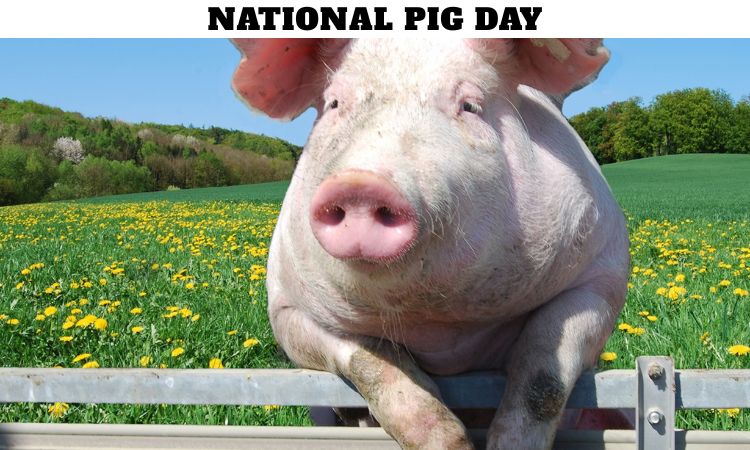
What Is National Pig Day, and Why Is It Celebrated on March 1?
National Pig Day, observed every year on March 1, is a special occasion dedicated to appreciating one of the most intelligent, resourceful, and misunderstood animals in the world—the pig. This day recognizes pigs not only for their agricultural importance but also for their intelligence, emotional depth, and cultural symbolism.
March 1 serves as an opportunity to highlight the positive attributes of pigs while promoting humane treatment and ethical farming practices. Across farms, sanctuaries, and households with pet pigs, this day encourages respect and admiration for an animal that has significantly contributed to human society.
Why Are Pigs More Intelligent Than Most People Think?
Pigs are widely regarded as one of the most intelligent domesticated animals. Research has consistently demonstrated that pigs possess advanced cognitive abilities comparable to dogs and even young children. They can learn complex tasks, respond to commands, and solve puzzles with impressive efficiency.
Pigs display:
Strong memory retention
Problem-solving skills
Emotional sensitivity
Social awareness
Ability to recognize names
They are capable of understanding symbolic language and can be trained using positive reinforcement techniques. Their curiosity and adaptability make them exceptionally responsive learners.
What Is the Historical Significance of Pigs?
Pigs have been domesticated for thousands of years, with evidence of pig farming dating back to ancient civilizations. They played an essential role in sustaining communities by providing food, resources, and economic stability.
Throughout history, pigs have appeared in mythology, folklore, and religious traditions. In many cultures, pigs symbolize prosperity, abundance, and wealth. For example, in the Chinese zodiac, the Year of the Pig represents generosity and diligence.
Agriculturally, pigs became vital due to their ability to convert diverse food sources into high-quality protein efficiently. Their resilience and adaptability allowed them to thrive in varied climates and environments.
What Makes Pigs Unique Among Farm Animals?
Pigs stand out for several remarkable characteristics:
Exceptional Sense of Smell
Pigs have an extraordinary sense of smell, making them valuable in truffle hunting. Their sensitive snouts can detect scents buried deep underground.
Highly Social Nature
Pigs are social animals that form strong bonds within groups. They communicate using a variety of vocalizations and body language cues.
Cleanliness
Contrary to common misconceptions, pigs are naturally clean animals. When given adequate space, they separate sleeping areas from waste areas. Their wallowing behavior helps regulate body temperature and protect against sunburn and insects.
Emotional Intelligence
Pigs experience a range of emotions, including joy, fear, excitement, and empathy. Studies show they can respond to the emotional states of other pigs.
How Does National Pig Day Promote Animal Welfare?
National Pig Day emphasizes humane treatment, ethical farming practices, and responsible ownership. Modern awareness encourages:
Spacious and enriched living conditions
Access to clean water and nutritious feed
Veterinary care
Social interaction
Stress-free handling
This day serves as a reminder that pigs deserve dignity and compassion regardless of their role in agriculture or as companion animals.
What Are the Different Types of Pigs?
There are numerous pig breeds worldwide, each with distinct characteristics and purposes. Broadly, pigs fall into two categories:
Domestic Pigs
Domestic pigs are commonly raised on farms for food production. They are bred for specific traits such as growth rate, meat quality, and adaptability.
Miniature or Companion Pigs
Mini pigs, including pot-bellied pigs, are sometimes kept as pets. These pigs require specialized care, proper diet management, and long-term commitment.
Wild Pigs
Wild pigs, including wild boars, inhabit forests and grasslands. They display strong survival instincts and play significant ecological roles in their habitats.
Understanding breed differences is essential for appropriate care and management.
Why Are Pigs Important to Global Agriculture?
Pigs play a crucial role in global food systems. Pork is one of the most widely consumed meats worldwide. In addition to meat production, pigs contribute to agricultural sustainability through:
Efficient feed conversion
Byproduct utilization
Organic waste recycling
Their ability to consume agricultural byproducts reduces food waste. Responsible pig farming supports livelihoods for millions of farmers globally.
How Do Pigs Contribute to Scientific Research?
Beyond agriculture, pigs contribute significantly to medical research. Their physiological similarities to humans make them valuable in studying organ transplantation, cardiovascular health, and surgical techniques.
Pig skin closely resembles human skin, making it useful in dermatological research and burn treatment studies. Ethical standards govern such research to ensure humane treatment and minimize suffering.
How Can Families Celebrate National Pig Day?
National Pig Day offers engaging ways to learn and celebrate:
Visit a local farm or animal sanctuary
Read educational books about pigs
Prepare farm-to-table meals responsibly
Support ethical farming initiatives
Watch documentaries highlighting pig intelligence
Families can also teach children about animal empathy and responsible consumption practices.
What Are the Common Myths About Pigs?
Many misconceptions surround pigs. National Pig Day provides an opportunity to correct these myths.
Myth: Pigs Are Dirty
In reality, pigs are clean animals when provided sufficient space. Mud baths serve practical health purposes.
Myth: Pigs Are Lazy
Pigs are active, curious, and mentally stimulated animals that enjoy exploration and problem-solving.
Myth: Mini Pigs Stay Tiny Forever
Many so-called “teacup pigs” grow larger than expected. Prospective owners must understand realistic growth expectations.
Correcting misinformation fosters respect and responsible treatment.
Why Is Responsible Pig Ownership Essential?
Keeping a pig as a pet requires long-term planning and understanding. Pigs can live 12–20 years and require:
Proper fencing
Balanced nutrition
Veterinary support
Mental stimulation
Outdoor access
Irresponsible ownership sometimes leads to abandonment when pigs grow larger than anticipated. National Pig Day encourages informed decisions and lifelong commitment.
How Do Pigs Demonstrate Emotional Bonds?
Pigs form deep attachments to herd members and caregivers. They recognize familiar individuals and show excitement during reunions. Their vocalizations vary depending on emotional state.
Research suggests pigs can experience stress when isolated and comfort when surrounded by companions. This emotional capacity highlights the importance of social housing.
What Is the Environmental Impact of Pig Farming?
Modern pig farming practices vary widely. Sustainable operations prioritize environmental responsibility by:
Managing waste effectively
Reducing water usage
Utilizing renewable energy
Implementing responsible feed sourcing
Ethical farming systems aim to balance productivity with environmental stewardship. Supporting responsible producers contributes to sustainable agriculture.
How Does National Pig Day Inspire Compassion?
National Pig Day encourages reflection on how we interact with animals. It promotes awareness that intelligence and emotional depth are not limited to companion animals like dogs and cats.
Recognizing pigs as sentient beings fosters empathy and encourages ethical consumption, humane treatment, and respect for life.
Why Should We Continue Observing National Pig Day Every Year?
National Pig Day is more than a novelty celebration. It is a reminder of the interconnected relationship between humans and animals. By dedicating a day to pigs, we acknowledge their contributions to agriculture, science, culture, and companionship.
Ongoing awareness strengthens animal welfare standards and encourages informed choices. Education, transparency, and compassion drive long-term improvements.
What Lessons Can We Learn from Pigs?
Pigs teach us resilience, adaptability, and intelligence. Their social bonds remind us of the importance of community. Their curiosity reflects the value of exploration and learning.
By observing National Pig Day, we celebrate not only an animal but also the principles of responsibility and respect that define humane societies.
Conclusion: Why National Pig Day Matters
Every March 1, National Pig Day invites us to reconsider assumptions and celebrate the remarkable qualities of pigs. From ancient farms to modern sanctuaries, pigs have shared their journey with humanity.