
What Is National Peanut Cluster Day, and Why Is It Celebrated on March 8?
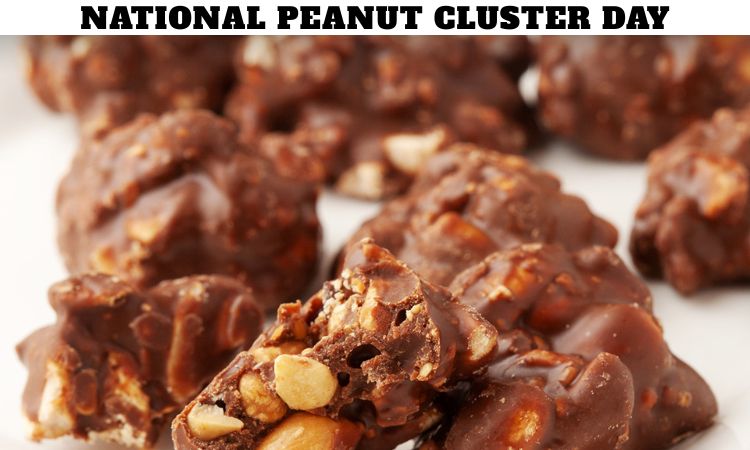
National Peanut Cluster Day, observed annually on March 8, is a delightful food holiday dedicated to one of the most beloved sweet treats: peanut clusters. These irresistible confections combine roasted peanuts with rich chocolate or caramel, forming bite-sized indulgences that have captivated dessert lovers for generations. The day honors both the culinary craftsmanship behind peanut clusters and the universal love for sweet-and-salty flavor combinations.
The celebration is widely recognized through food awareness calendars such as National Day Calendar, which documents unique national observances and encourages people to explore culinary traditions. By dedicating a day to peanut clusters, we highlight their cultural relevance, nostalgic value, and ongoing popularity in confectionery markets.
How Did Peanut Clusters Become So Popular?
Peanut clusters gained popularity in the late 19th and early 20th centuries, when peanuts became more affordable and widely available. Advances in food processing, along with the growing chocolate industry, allowed confectioners to experiment with nut-based sweets.
We recognize that peanuts themselves hold an important place in agricultural history. Innovators such as George Washington Carver promoted peanuts as a versatile crop, contributing to their widespread adoption in American cuisine. As peanuts entered mainstream culinary use, combining them with chocolate was a natural progression that resulted in the creation of peanut clusters.
Their appeal lies in texture contrast—the crunch of roasted peanuts paired with smooth melted chocolate—and their convenience as portable treats. Over time, peanut clusters transitioned from homemade kitchen creations to mass-produced confections sold in candy shops, supermarkets, and specialty stores worldwide.
What Exactly Are Peanut Clusters Made Of?
At their core, peanut clusters consist of just a few simple ingredients:
Roasted peanuts (salted or unsalted)
Chocolate (milk, dark, or white)
Optional additions such as caramel, butterscotch, or sea salt
The simplicity of ingredients allows the natural flavors to shine. However, the quality of peanuts and chocolate significantly impacts the final taste. Premium peanut clusters often use slow-roasted peanuts and high-cocoa-content chocolate, delivering a richer and more refined flavor profile.
Why Do People Love Peanut Clusters So Much?
We observe that peanut clusters appeal to a broad audience due to several factors:
Balanced Flavor Profile – The combination of sweet chocolate and savory peanuts creates a satisfying contrast.
Texture Variety – Crunchy nuts paired with creamy chocolate enhance sensory enjoyment.
Nostalgia – Many people associate peanut clusters with childhood memories, holidays, or homemade treats.
Versatility – They can be customized with different chocolates, nuts, or toppings.
Convenience – Bite-sized portions make them easy to share or enjoy individually.
These attributes contribute to their enduring popularity across generations.
How Can We Celebrate National Peanut Cluster Day?
There are numerous ways to celebrate this delicious holiday, whether individually, with family, or in community settings.
1. Make Homemade Peanut Clusters
Preparing peanut clusters at home is simple and rewarding. We can melt chocolate, mix in roasted peanuts, and spoon the mixture onto parchment paper to cool. Homemade versions allow for creative customization, including adding sea salt flakes, dried fruits, or caramel drizzle.
2. Support Local Candy Shops
Visiting local confectionery stores helps support small businesses while discovering artisanal peanut cluster varieties made with premium ingredients.
3. Host a Dessert-Themed Gathering
A peanut cluster tasting event or dessert party can make the day more festive. We can offer different chocolate types, toppings, and pairings such as coffee or hot cocoa.
4. Share on Social Media
Posting photos, recipes, or memories related to peanut clusters spreads awareness and encourages others to participate in the celebration.
5. Gift Peanut Clusters
Peanut clusters make excellent edible gifts. Packaging them in decorative boxes or jars adds a personal touch for friends, family, or colleagues.
What Are the Nutritional Benefits of Peanuts in Peanut Clusters?
While peanut clusters are considered a treat, peanuts themselves offer several nutritional advantages:
Protein-rich – Peanuts provide plant-based protein essential for muscle health.
Healthy fats – They contain monounsaturated fats beneficial for heart health.
Vitamins and minerals – Peanuts include vitamin E, magnesium, and potassium.
Energy source – Their calorie density makes them a quick energy boost.
However, moderation is important due to the added sugars and fats from chocolate.
Are There Different Variations of Peanut Clusters Around the World?
Yes, peanut clusters have evolved into numerous variations across regions:
Chocolate Peanut Clusters – The classic version using milk or dark chocolate.
White Chocolate Peanut Clusters – Sweeter and creamier.
Caramel Peanut Clusters – Featuring chewy caramel layers.
Gourmet Nut Clusters – Incorporating almonds, cashews, or pecans alongside peanuts.
Vegan Peanut Clusters – Made with dairy-free chocolate alternatives.
These variations demonstrate the adaptability of the original concept and its global appeal.
What Makes Peanut Clusters Different From Other Nut Candies?
Peanut clusters differ from other nut-based confections due to their irregular shape and high nut-to-chocolate ratio. Unlike pralines or brittle, peanut clusters maintain visible whole nuts bound together with chocolate rather than sugar syrup.
This structural difference enhances their natural nut flavor, making them more satisfying for peanut enthusiasts.
Can Peanut Clusters Be Part of Modern Culinary Trends?
We see peanut clusters adapting to contemporary food trends in several ways:
Artisan chocolate movements using single-origin cocoa.
Health-conscious versions with dark chocolate and reduced sugar.
Vegan and allergen-friendly options.
Gourmet flavor infusions such as chili, espresso, or sea salt caramel.
These innovations ensure peanut clusters remain relevant in modern gastronomy.
What Are Some Creative Peanut Cluster Recipes to Try?
We can experiment with unique recipes to elevate traditional peanut clusters:
Sea Salt Dark Chocolate Peanut Clusters
Peanut Butter Chocolate Clusters
Honey Roasted Peanut Clusters
Caramel Drizzle Peanut Clusters
Trail Mix Peanut Clusters with raisins and seeds
These variations add depth and personalization to the classic treat.
Why Does National Peanut Cluster Day Matter?
Food holidays such as National Peanut Cluster Day serve more than just indulgence—they preserve culinary traditions and create opportunities for connection. Celebrating this day allows us to:
Appreciate simple yet iconic desserts.
Explore homemade cooking traditions.
Support local confectionery businesses.
Share joy through food experiences.
In a fast-paced world, small celebrations centered around food can foster meaningful moments and nostalgia.
How Can Businesses Use National Peanut Cluster Day for Marketing?
Businesses can leverage the holiday through:
Limited-edition peanut cluster flavors
Discount promotions
Recipe content marketing
Social media campaigns
Customer engagement contests
Seasonal marketing tied to food observances often increases brand visibility and customer interaction.
What Is the Future of Peanut Clusters in the Food Industry?
The future of peanut clusters appears promising due to rising interest in premium snacks, nostalgic foods, and handcrafted confections. As consumers seek authentic experiences and quality ingredients, peanut clusters continue to hold strong market potential.
Innovation in packaging, flavor combinations, and health-conscious formulations will likely expand their appeal even further.
Why Should We Celebrate National Peanut Cluster Day Every Year?
National Peanut Cluster Day on March 8 reminds us that simple ingredients can create extraordinary flavors. Whether homemade or store-bought, peanut clusters represent comfort, tradition, and indulgence. By celebrating this day, we honor culinary creativity, agricultural heritage, and the universal joy of sharing sweets with others.