

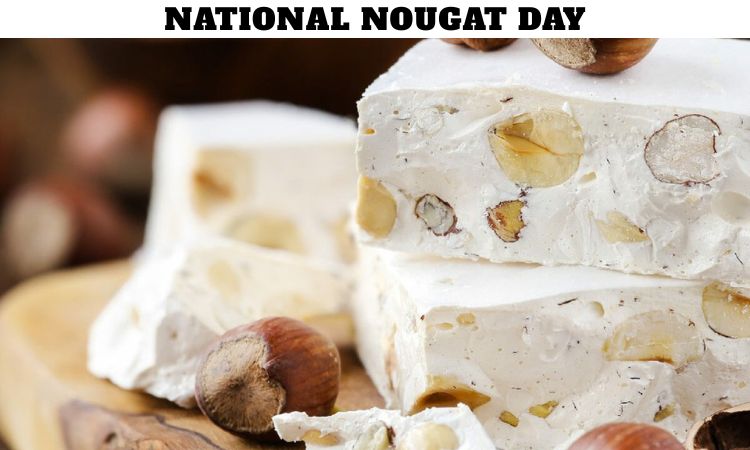
National Nougat Day, celebrated annually on March 26, is a delightful food observance dedicated to honoring one of the most beloved and historic confections in the world. Nougat, known for its soft, chewy, or sometimes crunchy texture, has captured the hearts of sweet lovers for centuries. This special day encourages people to explore the origins, variations, culinary uses, and cultural importance of nougat while indulging in its rich and satisfying taste.
We celebrate National Nougat Day as an opportunity to appreciate the craftsmanship behind traditional sweets and the creativity of modern confectionery innovations. Whether enjoyed in candy bars, desserts, or festive treats, nougat continues to be a symbol of celebration and indulgence.
The Origins and History of Nougat
Nougat has a fascinating history that dates back to ancient times. It is widely believed that early versions of nougat originated in the Mediterranean region and the Middle East, where confectioners combined honey, nuts, and egg whites to create a sweet and energy-rich delicacy.
We observe that as trade routes expanded, nougat recipes spread across Europe, particularly gaining popularity in countries such as Italy, France, and Spain. Over time, regional variations emerged, each with distinct ingredients, preparation methods, and textures.
By the 19th and 20th centuries, nougat had become a key component in many commercial candies, contributing to its global recognition. National Nougat Day reflects this long journey from traditional handmade treats to modern confectionery staples.
What is Nougat Made Of?
Nougat is traditionally made using a simple yet carefully balanced combination of ingredients. These typically include:
- Honey or sugar syrup
- Egg whites
- Roasted nuts such as almonds, pistachios, or hazelnuts
- Flavorings like vanilla or citrus zest
We recognize that some modern variations also incorporate chocolate, dried fruits, or caramel, enhancing both taste and visual appeal. The preparation process requires precision, as the texture depends on temperature control and proper mixing techniques.
Types of Nougat Around the World
Nougat is not a single uniform confection. Instead, it exists in multiple forms shaped by cultural preferences and culinary traditions.
White Nougat
Also known as traditional nougat, this variety is soft and chewy, typically made with whipped egg whites and nuts. It is often associated with festive occasions and gift-giving.
Brown Nougat
Brown nougat has a firmer and crunchier texture due to the caramelization of sugar. It is popular in certain European regions and frequently used in confectionery fillings.
Chocolate Nougat
Chocolate-based nougat is commonly found in candy bars. This version may contain cocoa, wafer elements, or layered fillings, offering a more modern twist.
We appreciate how these variations demonstrate nougat’s versatility and enduring appeal across generations.
Cultural Significance of Nougat
Nougat holds cultural importance in many societies. In parts of Europe, it is traditionally prepared during winter holidays and festive celebrations, symbolizing abundance and sweetness in life.
We observe that nougat-making is often regarded as a skilled craft passed down through families. Artisanal confectioners take pride in using premium ingredients and traditional methods to maintain authenticity.
National Nougat Day highlights the role of food in preserving cultural heritage and fostering shared experiences.
Nutritional Aspects of Nougat
While nougat is primarily considered a treat, it does offer certain nutritional elements depending on its ingredients. Nuts provide:
- Healthy fats
- Protein
- Vitamin E
- Magnesium
We emphasize that moderation is key when enjoying sweets. Incorporating high-quality nougat into a balanced diet can provide both pleasure and occasional nutritional value.
Nougat in Modern Confectionery
In contemporary times, nougat has become an essential component in global confectionery production. Many well-known candy products feature nougat layers combined with chocolate, caramel, or wafer.
We recognize that innovation continues to shape nougat’s evolution. Chefs and food manufacturers experiment with new textures, flavors, and presentations, ensuring that this classic sweet remains relevant in modern markets.
From gourmet dessert platters to packaged snack bars, nougat’s presence is widespread and enduring.
Creative Ways to Celebrate National Nougat Day
Celebrating National Nougat Day can be both enjoyable and educational. We encourage individuals and communities to participate through creative activities such as:
Trying Homemade Nougat Recipes
Preparing nougat at home allows people to appreciate the artistry involved in confectionery-making.
Exploring International Varieties
Sampling nougat from different regions introduces diverse flavors and cultural traditions.
Hosting Dessert-Themed Gatherings
Friends and family can organize events featuring nougat-based sweets, pastries, and beverages.
Supporting Local Confectioners
Purchasing handmade nougat from local artisans helps sustain traditional food crafts and small businesses.
These celebrations help deepen appreciation for culinary heritage while creating memorable experiences.
The Economic Importance of Confectionery Traditions
Nougat production contributes to local economies, especially in regions known for specialty sweets. Festivals, tourism, and artisanal markets often showcase nougat as a signature product.
We observe that increasing consumer interest in authentic and handcrafted foods has boosted demand for traditional confections. National Nougat Day serves as a reminder of the economic and cultural value associated with heritage foods.
Environmental and Ethical Considerations
Modern consumers are increasingly aware of sustainability in food production. Responsible sourcing of ingredients such as honey, nuts, and cocoa can reduce environmental impact.
We encourage practices such as:
- Supporting fair-trade suppliers
- Choosing organic ingredients when possible
- Minimizing food waste
- Promoting eco-friendly packaging
By aligning celebrations with sustainability, National Nougat Day can inspire positive change.
Future Trends in Nougat Consumption
As global tastes evolve, nougat is likely to remain a favorite due to its adaptability. We anticipate trends including:
- Plant-based or vegan nougat alternatives
- Reduced-sugar recipes
- Fusion desserts combining nougat with international flavors
- Premium gourmet gift packaging
These innovations ensure that nougat continues to appeal to new generations while honoring its traditional roots.
Conclusion
National Nougat Day on March 26 celebrates the timeless charm of a confection that has delighted people for centuries. From its ancient origins to its modern culinary innovations, nougat represents creativity, cultural heritage, and indulgent enjoyment.
Frequently Asked Questions (FAQs)
1. What is National Nougat Day?
National Nougat Day is a food observance celebrated on March 26 to honor the traditional sweet confection known as nougat.
2. When is National Nougat Day celebrated?
It is celebrated every year on March 26 by sweet lovers and food enthusiasts.
3. What is nougat made from?
Nougat is typically made from sugar or honey, egg whites, roasted nuts, and flavorings such as vanilla.
4. Is nougat soft or hard?
Nougat can be either soft and chewy or firm and crunchy, depending on the recipe and preparation method.
5. Where did nougat originate?
Nougat is believed to have originated in the Mediterranean or Middle Eastern regions.
6. How can people celebrate National Nougat Day?
People can celebrate by tasting different nougat varieties, making homemade sweets, or hosting dessert gatherings.
7. Is nougat used in chocolate bars?
Yes, many popular chocolate bars include nougat as a layered filling.
8. Is National Nougat Day an official holiday?
No, it is an informal food observance rather than a public holiday.
9. Does nougat have any nutritional benefits?
Nougat may provide protein and healthy fats from nuts, but it should be consumed in moderation due to its sugar content.
10. What is the purpose of National Nougat Day?
The purpose is to celebrate confectionery traditions and encourage appreciation for classic sweets.