

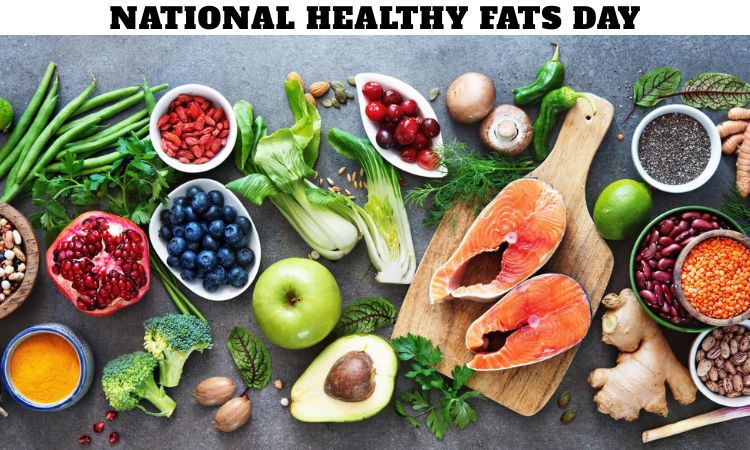
National Healthy Fats Day, observed annually on March 21, is dedicated to raising awareness about the essential role that healthy fats play in maintaining overall well-being. In a world where dietary trends often fluctuate and misinformation about nutrition spreads easily, this day highlights the importance of making informed food choices that support physical health, mental clarity, and long-term vitality.
We recognize this observance as an opportunity to shift perspectives about fats, encouraging individuals to move away from outdated fears and instead focus on incorporating beneficial fats into their daily diets. By understanding the nutritional value of healthy fats, people can make better decisions that contribute to sustainable health and balanced living.
Understanding Healthy Fats
What Are Healthy Fats?
Healthy fats are dietary fats that provide essential nutrients, support bodily functions, and help maintain optimal health. These fats are primarily classified into unsaturated fats, which include monounsaturated and polyunsaturated fats. Unlike trans fats and excessive saturated fats, healthy fats play a positive role in cardiovascular health, hormone production, and cellular development.
We emphasize that healthy fats are necessary components of a balanced diet and should not be eliminated but consumed in appropriate quantities.
Types of Healthy Fats
Monounsaturated Fats
These fats are known for supporting heart health and reducing bad cholesterol levels. Foods such as olive oil, nuts, and the widely appreciated Avocado are rich in monounsaturated fats.
Polyunsaturated Fats
Polyunsaturated fats include omega-3 and omega-6 fatty acids, which are essential nutrients the body cannot produce on its own. They are found in fatty fish, seeds, and certain plant-based oils.
Significance of National Healthy Fats Day
The celebration of National Healthy Fats Day underscores the need to educate individuals about nutritional balance. For decades, fats were often portrayed negatively in mainstream dietary advice. However, scientific research has demonstrated that eliminating all fats can lead to nutritional deficiencies and increased health risks.
We view this day as an educational platform that encourages awareness about the distinction between beneficial fats and harmful fats, promoting healthier eating habits across communities.
Health Benefits of Consuming Healthy Fats
Supporting Heart Health
One of the most well-documented advantages of healthy fats is their ability to improve cardiovascular function. Unsaturated fats help lower levels of low-density lipoprotein cholesterol while supporting high-density lipoprotein cholesterol. This balance reduces the risk of heart disease and stroke.
We recognize that integrating healthy fats into meals contributes to long-term heart protection and improved circulation.
Enhancing Brain Function
The human brain is composed largely of fat, making dietary fats essential for cognitive performance. Omega-3 fatty acids, in particular, are linked to memory improvement, concentration, and emotional stability. Regular consumption of foods rich in healthy fats may help reduce the risk of neurodegenerative conditions.
Promoting Nutrient Absorption
Fat-soluble vitamins such as A, D, E, and K require dietary fats for proper absorption. Without sufficient fat intake, the body may struggle to utilize these nutrients effectively. National Healthy Fats Day highlights the importance of maintaining balanced meals that include appropriate fat sources.
Supporting Hormonal Balance
Healthy fats play a critical role in hormone production. They assist in regulating metabolic processes, reproductive health, and stress responses. We emphasize that eliminating fats can disrupt hormonal equilibrium and overall wellness.
Common Sources of Healthy Fats
Plant-Based Sources
Olive oil
Nuts such as almonds and walnuts
Seeds, including flaxseeds and chia seeds
Soy products
Avocados
These foods are widely recommended in modern nutrition plans due to their beneficial fat content and additional nutrients.
Animal-Based Sources
Fatty fish like salmon and mackerel
Eggs
Dairy products in moderate amounts
While these sources contain both healthy and saturated fats, mindful consumption can support dietary diversity.
Healthy Fats and Weight Management
Contrary to common misconceptions, consuming healthy fats does not necessarily lead to weight gain. In fact, fats contribute to satiety and appetite control, reducing the likelihood of overeating. Balanced meals containing proteins, carbohydrates, and healthy fats can help maintain stable energy levels throughout the day.
We encourage mindful portion control and the inclusion of whole foods to support sustainable weight management.
How is National Healthy Fats Day celebrated?
Nutrition Awareness Campaigns
Health organizations and wellness communities often organize seminars, webinars, and public awareness drives on March 21. These initiatives focus on educating individuals about reading food labels, choosing healthier cooking oils, and understanding dietary guidelines.
Cooking Workshops and Demonstrations
Cooking classes highlighting recipes rich in healthy fats are popular ways to celebrate. Participants learn to prepare meals using nutritious ingredients, promoting practical application of nutritional knowledge.
Social Media Engagement
Online platforms play a significant role in spreading awareness about National Healthy Fats Day. Influencers, dietitians, and health enthusiasts share informative posts, meal ideas, and lifestyle tips to encourage positive dietary changes.
Debunking Myths About Dietary Fats
Myth: All Fats Are Harmful
One of the most persistent misconceptions is that all fats negatively impact health. Scientific evidence clearly differentiates between harmful trans fats and beneficial unsaturated fats.
Myth: Low-Fat Diets Are Always Healthier
While reducing excessive fat intake can be beneficial in some cases, completely avoiding fats may lead to nutritional imbalances. National Healthy Fats Day encourages individuals to seek balanced dietary patterns rather than extreme restrictions.
Myth: Healthy Fats Are Difficult to Include in Daily Meals
Incorporating healthy fats can be simple. Adding nuts to breakfast, using olive oil in cooking, or including fish in weekly meals are practical strategies for maintaining nutritional balance.
Role of Healthy Fats in Fitness and Performance
Athletes and physically active individuals often rely on healthy fats as sustained energy sources. Fats support endurance, muscle recovery, and metabolic efficiency. Diet plans for sports performance typically include a combination of carbohydrates, proteins, and healthy fats to optimize results.
We highlight that fitness goals should align with comprehensive nutritional strategies that prioritize long-term health.
Global Dietary Trends and Healthy Fats
Modern dietary movements such as the Mediterranean diet emphasize the importance of healthy fats. This eating pattern, rich in olive oil, fish, and plant-based foods, has been associated with improved longevity and reduced chronic disease risk.
National Healthy Fats Day aligns with these global trends by promoting evidence-based nutrition and sustainable food choices.
Future Relevance of National Healthy Fats Day
As awareness about lifestyle diseases continues to grow, observances like National Healthy Fats Day are likely to gain greater importance. Urbanization, processed food consumption, and sedentary habits make it essential to educate populations about balanced nutrition.
We anticipate increased collaboration among healthcare professionals, educators, and policymakers to integrate nutritional literacy into public health initiatives.
Tips for Incorporating Healthy Fats into Daily Life
Use olive oil instead of refined cooking oils
Snack on nuts and seeds instead of processed foods
Include fatty fish in weekly meal plans
Add avocado slices to salads and sandwiches
Avoid trans fats found in packaged and fried foods
These simple adjustments can significantly enhance dietary quality.
Conclusion
National Healthy Fats Day on March 21 serves as a meaningful reminder that fats are not inherently harmful but essential components of a nutritious lifestyle. By understanding the benefits of unsaturated fats and making conscious food choices, individuals can improve heart health, brain function, and overall well-being.
Frequently Asked Questions (FAQs)
1. What is National Healthy Fats Day?
National Healthy Fats Day is observed on March 21 to raise awareness about the importance of including beneficial dietary fats in a balanced and healthy diet.
2. Why are healthy fats important for the body?
Healthy fats support heart health, brain function, hormone production, nutrient absorption, and energy levels, making them essential for overall wellness.
3. What are examples of healthy fats?
Examples include olive oil, nuts, seeds, fatty fish, and the popular fruit Avocado, which is rich in monounsaturated fats.
4. What is the difference between healthy fats and unhealthy fats?
Healthy fats are mainly unsaturated fats that benefit the body, while unhealthy fats include trans fats and excessive saturated fats, which may increase the risk of heart disease.
5. Can eating healthy fats help with weight management?
Yes, healthy fats can promote fullness and reduce overeating, which may support better weight control when consumed in proper portions.
6. How can people celebrate National Healthy Fats Day?
People can celebrate by learning about nutrition, preparing meals with healthy fat sources, attending wellness workshops, and sharing awareness about balanced diets.
7. Are healthy fats good for brain health?
Yes, certain fats such as omega-3 fatty acids are known to support memory, concentration, and emotional well-being.
8. How much healthy fat should be consumed daily?
The recommended intake varies by age, lifestyle, and health conditions, but generally moderate consumption as part of a balanced diet is advised.
9. What foods should be avoided when focusing on healthy fats?
It is best to limit foods containing trans fats, heavily processed snacks, fried items, and excessive fast food.
10. What message does National Healthy Fats Day promote?
The day promotes nutritional awareness, balanced eating habits, and the importance of making informed food choices for long-term health.