

What Is National Handmade Day and Why Is It Celebrated on April 4?
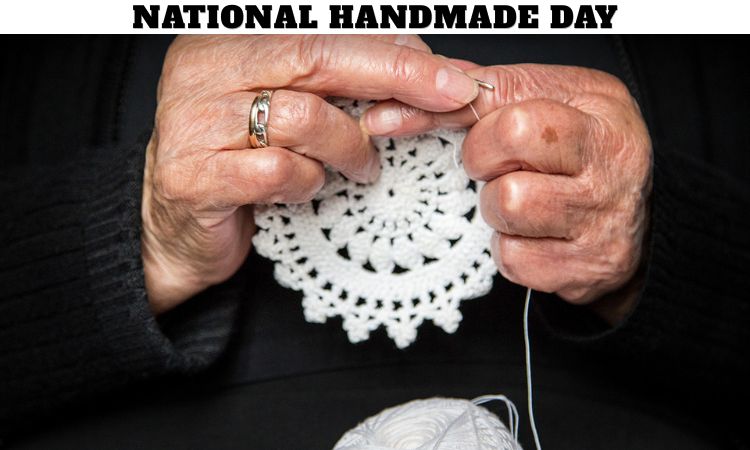
National Handmade Day, observed annually on April 4, is a celebration dedicated to honoring the creativity, craftsmanship, and dedication of artisans and makers who create products by hand. In a world increasingly dominated by mass production and automation, this day shines a spotlight on the value of handmade goods and the people behind them.
The purpose of National Handmade Day is to encourage appreciation for handcrafted items, promote small businesses, and inspire individuals to explore their own creativity. Whether it’s handmade jewelry, pottery, textiles, paintings, or home décor, each item tells a unique story and reflects the personal touch of its creator.
This observance also emphasizes the importance of supporting local artisans and sustainable practices. Handmade goods often use fewer industrial resources and prioritize quality over quantity, making them a more environmentally conscious choice.
What Is the History Behind National Handmade Day?
While the exact origins of National Handmade Day are not widely documented, the celebration is rooted in the long-standing tradition of craftsmanship that dates back thousands of years. Before industrialization, nearly all goods were handmade, from clothing and tools to furniture and art.
As the Industrial Revolution introduced machinery and mass production, handmade crafts gradually became less common in everyday life. However, the appreciation for artisanal work never disappeared. In recent years, there has been a resurgence of interest in handmade products, driven by a desire for authenticity, sustainability, and individuality.
National Handmade Day emerged as a way to celebrate this revival and to recognize the skill and effort involved in creating handmade items. It also serves as a platform to promote artisans and encourage people to value craftsmanship in a fast-paced, consumer-driven world.
Why Are Handmade Products So Valuable?
Handmade products hold a unique value that goes beyond their physical form. Unlike mass-produced items, each handmade piece is crafted with care, attention to detail, and a personal touch that makes it one-of-a-kind.
The time and effort invested in creating handmade goods contribute to their higher perceived value. Artisans often spend hours or even days perfecting a single item, ensuring quality and uniqueness. This level of dedication is rarely found in factory-made products.
Additionally, handmade items often use high-quality materials and traditional techniques, resulting in durable and aesthetically pleasing products. Buyers are not just purchasing an object; they are investing in a story, a skill, and a piece of art.
How Does National Handmade Day Support Local Artisans?
National Handmade Day plays a significant role in promoting and supporting local artisans and small businesses. By raising awareness about the importance of handmade goods, the day encourages consumers to shop locally and support independent creators.
Many artisans rely on craft fairs, online marketplaces, and word-of-mouth promotion to sell their products. National Handmade Day provides an opportunity for them to showcase their work, attract new customers, and build their brand.
Supporting handmade businesses also contributes to the local economy and helps preserve traditional crafts and skills that might otherwise be lost. It fosters a sense of community and connection between creators and consumers.
What Are Some Popular Types of Handmade Crafts?
Handmade crafts encompass a wide range of creative disciplines, each with its own techniques and materials. Some popular categories include:
- Jewelry making: Handmade necklaces, bracelets, and earrings crafted from metals, beads, or natural materials
- Textiles: Knitting, crocheting, embroidery, and sewing
- Pottery and ceramics: Hand-shaped clay items such as bowls, vases, and decorative pieces
- Woodwork: Carved furniture, home décor, and utensils
- Painting and drawing: Original artworks created using various media
- Paper crafts: Scrapbooking, card making, and origami
These crafts reflect the diversity of artistic expression and highlight the endless possibilities of handmade creativity.
How Can You Celebrate National Handmade Day?
There are many meaningful ways to celebrate National Handmade Day. One of the simplest ways is to purchase handmade products from local artisans or online platforms that support independent creators.
You can also try your hand at crafting by starting a DIY project. Whether it’s painting, knitting, or making candles, engaging in a creative activity can be both relaxing and rewarding.
Attending craft fairs, workshops, or exhibitions is another great way to celebrate. These events provide an opportunity to learn new skills, meet artisans, and gain a deeper appreciation for handmade work.
Sharing your creations or favorite handmade items on social media can also help spread awareness and inspire others to participate.
What Role Does Handmade Crafting Play in Mental Well-Being?
Engaging in handmade crafting activities has been shown to have numerous mental health benefits. Creative expression can reduce stress, improve mood, and enhance overall well-being.
Crafting allows individuals to focus on the present moment, promoting mindfulness and relaxation. It can also boost self-esteem and confidence as people see their ideas come to life.
For many, crafting serves as a therapeutic outlet, helping to manage anxiety and improve emotional resilience. The sense of accomplishment that comes from completing a handmade project can be incredibly fulfilling.
National Handmade Day highlights these benefits and encourages people to explore creativity as a form of self-care.
How Does Handmade Culture Promote Sustainability?
Handmade culture aligns closely with sustainable and eco-friendly practices. Unlike mass production, which often involves large-scale manufacturing and waste, handmade goods are typically produced in smaller quantities with greater care.
Artisans often use locally sourced, recycled, or natural materials, reducing their environmental impact. Handmade items are also generally more durable, encouraging long-term use rather than frequent replacement.
By choosing handmade products, consumers can support ethical production methods and contribute to a more sustainable economy. National Handmade Day serves as a reminder of the importance of mindful consumption.
Why Is There a Growing Demand for Handmade Products?
In recent years, there has been a noticeable shift in consumer preferences toward handmade and artisanal goods. This trend is driven by several factors, including a desire for authenticity, uniqueness, and quality.
Many people are seeking alternatives to mass-produced items that lack character and individuality. Handmade products offer a personal connection and a sense of exclusivity that cannot be replicated by machines.
The rise of e-commerce platforms has also made it easier for artisans to reach a global audience, increasing the visibility and accessibility of handmade goods.
National Handmade Day reflects this growing appreciation and encourages continued support for the handmade movement.
What Can We Learn from National Handmade Day?
National Handmade Day teaches us to value creativity, patience, and craftsmanship. It reminds us that creating something by hand requires dedication, skill, and passion.
The day also encourages us to slow down and appreciate the effort behind the products we use in our daily lives. In a fast-paced world, handmade crafting offers a way to reconnect with tradition and embrace a more mindful approach to consumption.
By celebrating this day, we not only support artisans but also inspire ourselves to explore our own creative potential and contribute to a culture that values quality over quantity.
Frequently Asked Questions (FAQs)
1. What is National Handmade Day?
National Handmade Day is celebrated on April 4 to honor artisans and promote handmade crafts and products.
2. Why is handmade important?
Handmade items are unique, high-quality, and often more sustainable than mass-produced goods.
3. How can I celebrate National Handmade Day?
You can celebrate by buying handmade products, creating your own crafts, or attending craft events.
4. What types of items are considered handmade?
Items such as jewelry, clothing, pottery, paintings, and home décor are commonly handmade.
5. Are handmade products more expensive?
They can be, due to the time, skill, and quality materials involved in their creation.
6. Where can I buy handmade products?
You can find them at local markets, craft fairs, and online platforms supporting artisans.
7. Can anyone learn handmade crafts?
Yes, with practice and dedication, anyone can learn and enjoy crafting.
8. How does handmade crafting help mental health?
It reduces stress, promotes mindfulness, and boosts creativity and confidence.
9. Are handmade products eco-friendly?
Many handmade items use sustainable materials and methods, making them environmentally friendly.
10. Why is National Handmade Day important?
It raises awareness about the value of craftsmanship and supports artisans and small businesses.