
What Is National Gin and Tonic Day, and Why Is It Celebrated on April 9?
National Gin and Tonic Day, observed annually on April 9, celebrates one of the most refreshing and iconic cocktails in the world—the classic gin and tonic. This day is dedicated to appreciating the perfect balance of botanical flavors and effervescence that has made this drink a global favorite.
We recognize this occasion as a tribute to a beverage that combines heritage, simplicity, and sophistication. Whether enjoyed casually or as part of a refined experience, the gin and tonic stands as a timeless symbol of refreshment and elegance.
What Is a Gin and Tonic and What Makes It Unique?
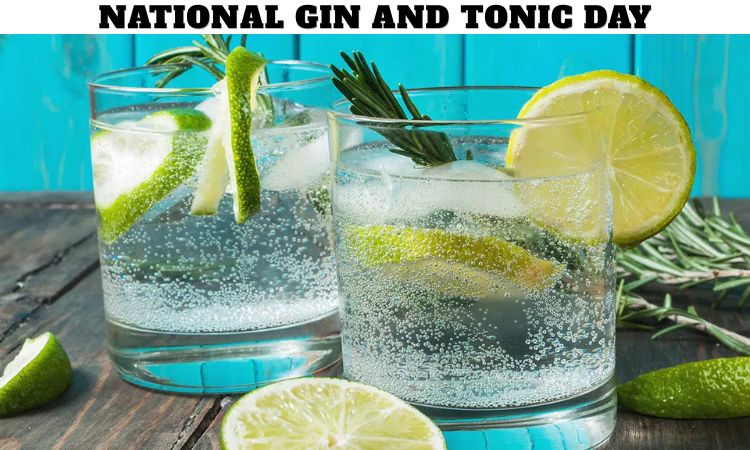
A gin and tonic is a cocktail made by mixing gin with tonic water, usually garnished with lime, lemon, or other botanicals. Its uniqueness lies in its simplicity and the complex flavors derived from the gin’s botanical ingredients.
We identify its defining characteristics:
- A crisp and refreshing taste
- Subtle bitterness from tonic water
- Aromatic notes from juniper berries and botanicals
- Versatility in garnishes and variations
This balance of flavors makes the gin and tonic a universally appealing drink.
What Is the Historical Origin of the Gin and Tonic?
The origin of the gin and tonic dates back to the 18th century during British colonial rule in India. British soldiers were required to consume quinine, a bitter compound found in tonic water, to prevent malaria.
We understand that to make the tonic more palatable, they mixed it with gin, sugar, and lime, creating the early version of the modern gin and tonic. This combination not only improved the taste but also introduced a refreshing drink that would later gain worldwide popularity.
Why Is Quinine Important in Tonic Water?
Quinine is the key ingredient in tonic water that gives it its distinctive bitter flavor. Historically, it was used as a treatment and preventive measure for malaria.
We highlight its importance:
- Provides the signature bitterness of tonic water
- Played a crucial role in colonial-era medicine
- Contributes to the unique taste profile of the drink
Although modern tonic water contains much less quinine, it remains an essential component of the classic gin and tonic.
How Has the Gin and Tonic Evolved?
The gin and tonic has evolved significantly from its medicinal origins into a sophisticated cocktail enjoyed worldwide. Today, it is available in countless variations that cater to diverse tastes.
We observe modern trends such as:
- Use of premium and craft gins
- Infusion with herbs, spices, and fruits
- Creative garnishes like cucumber, rosemary, and berries
- Experimentation with flavored tonic waters
These innovations have transformed the gin and tonic into a versatile and customizable beverage.
What Are the Best Ingredients for a Perfect Gin and Tonic?
Creating the perfect gin and tonic requires attention to ingredient quality and balance.
We recommend:
- A high-quality gin with balanced botanicals
- Fresh and chilled tonic water
- Clean, clear ice cubes
- Fresh garnishes such as lime, lemon, or herbs
The ratio of gin to tonic is also important, typically 1:2 or 1:3, depending on preference. This ensures a harmonious blend of flavors.
How Is National Gin and Tonic Day Celebrated?
National Gin and Tonic Day is celebrated with enthusiasm by cocktail enthusiasts, bartenders, and casual drinkers alike.
We highlight common ways to celebrate:
- Preparing classic or creative gin and tonic recipes
- Visiting bars and restaurants offering special menus
- Hosting gatherings with themed cocktails
- Learning about the history and craftsmanship of gin
The day encourages appreciation for both the drink and the artistry behind it.
What Are Popular Variations of the Gin and Tonic?
The versatility of the gin and tonic allows for numerous variations that enhance its flavor and presentation.
We explore popular options:
- Cucumber and mint gin and tonic for a refreshing twist
- Berry-infused versions for a fruity profile
- Spiced gin and tonic with cinnamon or cloves
- Citrus blends using orange, grapefruit, or lemon
These variations make the gin and tonic adaptable to different occasions and preferences.
Why Is the Gin and Tonic Considered a Timeless Cocktail?
The gin and tonic has remained popular for centuries due to its simplicity, versatility, and refreshing nature.
We identify reasons for its timeless appeal:
- Easy to prepare with minimal ingredients
- Balanced flavor profile suitable for various palates
- Strong historical and cultural significance
- Continuous innovation in ingredients and presentation
Its ability to evolve while maintaining its core identity ensures its enduring popularity.
What Is the Cultural Significance of the Gin and Tonic Today?
Today, the gin and tonic represents more than just a drink—it is a symbol of social connection, relaxation, and refined taste.
We see its cultural relevance in:
- Its presence in global cocktail culture
- Its role in social gatherings and celebrations
- Its association with craft beverage movements
The gin and tonic continues to be a staple in both casual and upscale settings.
Frequently Asked Questions (FAQs)
1. What is National Gin and Tonic Day?
It is a day celebrated on April 9 to honor the classic gin and tonic cocktail.
2. Why is the gin and tonic historically significant?
It originated as a medicinal drink during British colonial rule in India to combat malaria.
3. What is tonic water made of?
Tonic water contains carbonated water, quinine, sugar, and flavorings.
4. What is the best ratio for a gin and tonic?
A common ratio is 1 part gin to 2 or 3 parts tonic water.
5. Can I customize a gin and tonic?
Yes, you can add fruits, herbs, and spices to create unique variations.
6. What type of gin is best for this cocktail?
A balanced gin with botanical flavors works best.
7. Why is lime commonly used as a garnish?
It enhances the flavor and adds a refreshing citrus note.
8. Is the gin and tonic still popular today?
Yes, it remains one of the most popular cocktails worldwide.
9. Can tonic water be consumed alone?
Yes, but it is often enjoyed as a mixer due to its bitter taste.
10. How can I celebrate National Gin and Tonic Day?
You can prepare the drink at home, try new variations, or visit a bar.