

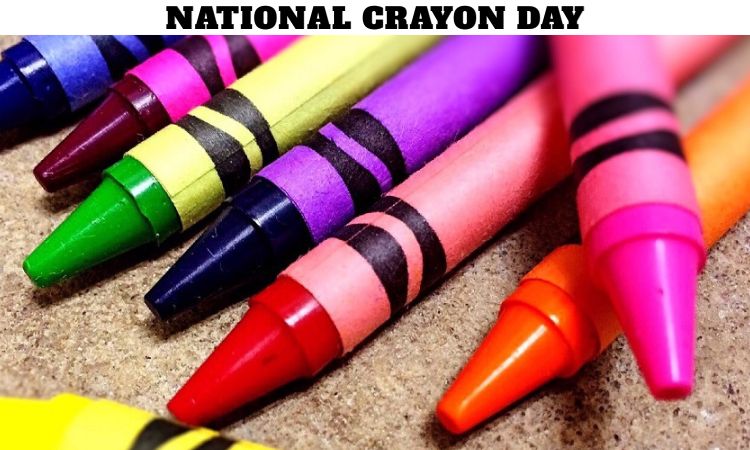
What Is National Crayon Day and Why Is It Celebrated on March 31?
National Crayon Day – March 31 is a vibrant and meaningful celebration dedicated to one of the most beloved creative tools in the world—the crayon. We observe this day to recognize the impact crayons have had on art, education, creativity, and childhood development. From classrooms to professional art studios, crayons have served as a foundation for artistic expression and imagination.
March 31 marks an opportunity to celebrate color, creativity, and the joy of self-expression. It is a day when we honor the simple yet powerful tool that has helped generations explore their artistic potential and communicate ideas visually.
How Did National Crayon Day Originate?
The origin of National Crayon Day is closely tied to the historical development of crayons as an accessible art medium. Crayons became widely popular in the early 20th century when they were mass-produced and made affordable for children and schools.
We recognize that the establishment of this day is influenced by the enduring popularity of crayons and their role in fostering creativity. Over time, educational institutions, art communities, and families began celebrating March 31 as a day to encourage artistic exploration and appreciate the legacy of crayons.
What Is a Crayon and How Is It Made?
A crayon is a stick of colored wax used for drawing and coloring. It is known for its ease of use, vibrant colors, and safety, making it ideal for artists of all ages. We understand the manufacturing process involves:
- Melting wax (typically paraffin)
- Mixing pigments for color
- Pouring the mixture into molds
- Cooling and shaping into sticks
- Wrapping with labeled paper for identification
This simple yet effective design ensures that crayons are durable, portable, and versatile. The combination of wax and pigment creates a smooth texture that allows for effortless application on paper.
Why Are Crayons Important in Early Childhood Development?
Crayons play a crucial role in early childhood development by supporting both cognitive and motor skills. We rely on crayons as foundational tools in education because they help children:
- Develop fine motor skills through gripping and drawing
- Enhance creativity and imagination
- Improve hand-eye coordination
- Express emotions and ideas visually
- Learn colors, shapes, and patterns
The tactile experience of using crayons encourages sensory development, making them essential in early learning environments. They provide a safe and engaging way for children to explore their creativity.
How Have Crayons Influenced Art and Creativity Over Time?
The influence of crayons extends beyond childhood into the broader world of art and design. We recognize that crayons have inspired countless artists to experiment with color and texture. Their accessibility has democratized art, allowing anyone to create without expensive materials.
Crayons have been used in:
- Illustrations and sketches
- Mixed media artwork
- Educational art projects
- Professional creative experiments
Their versatility allows for layering, blending, and shading techniques, making them valuable tools for both beginners and experienced artists.
What Are the Different Types of Crayons Available Today?
Modern crayons have evolved to meet diverse artistic needs. We observe a wide range of crayon types, including:
- Wax crayons (traditional and widely used)
- Oil pastels (richer and smoother texture)
- Watercolor crayons (blendable with water)
- Gel crayons (bright and vibrant colors)
- Jumbo crayons (designed for young children)
Each type offers unique properties that cater to different artistic styles and preferences. This variety ensures that crayons remain relevant in both educational and professional settings.
How Is National Crayon Day Celebrated Across the World?
National Crayon Day is celebrated in creative and engaging ways that promote artistic expression. We see participation from schools, families, and art communities through activities such as:
- Coloring competitions and art contests
- Creative workshops and drawing sessions
- School projects focused on art and design
- Community events promoting creativity
- Social media campaigns showcasing artwork
These celebrations encourage individuals of all ages to reconnect with their creative side and appreciate the simplicity of crayons.
Why Do Crayons Remain Popular in the Digital Age?
Despite the rise of digital tools, crayons continue to hold a special place in the world of creativity. We value crayons for their:
- Simplicity and ease of use
- No requirement for technology or power
- Tactile and hands-on experience
- Affordability and accessibility
- Ability to foster genuine creativity without distractions
Crayons provide a break from screens and allow individuals to engage in mindful, creative activities. Their enduring popularity reflects their timeless appeal.
What Role Do Crayons Play in Education Systems?
In educational systems, crayons are essential tools for teaching and learning. We incorporate crayons into curricula to:
- Encourage artistic expression
- Support visual learning techniques
- Enhance engagement in classroom activities
- Develop foundational skills in young learners
Teachers use crayons to make lessons interactive and enjoyable, helping students grasp concepts more effectively. Their role in education extends beyond art, contributing to overall development.
How Can We Celebrate National Crayon Day Creatively?
Celebrating National Crayon Day involves embracing creativity and encouraging artistic exploration. We can participate in meaningful ways such as:
- Creating original artwork using crayons
- Organizing art sessions for children and adults
- Donating crayons to schools and communities
- Exploring new coloring techniques and styles
- Sharing artwork to inspire others
These activities not only celebrate crayons but also promote creativity, learning, and community engagement.
What Is the Future of Crayons in Art and Education?
The future of crayons remains promising as they continue to adapt to changing needs. We anticipate innovations such as:
- Eco-friendly and sustainable materials
- Enhanced color formulations
- Integration with modern art techniques
- Continued relevance in early education
Crayons will remain a cornerstone of creative expression, bridging the gap between traditional and modern art forms.
Frequently Asked Questions (FAQs)
1. What is National Crayon Day?
National Crayon Day is celebrated on March 31 to honor crayons and their role in creativity and education.
2. Why are crayons important for children?
Crayons help develop motor skills, creativity, and early learning abilities.
3. What are crayons made of?
Crayons are typically made from wax and colored pigments.
4. Who uses crayons?
Crayons are used by children, students, artists, and educators.
5. Are crayons safe for kids?
Yes, most crayons are designed to be non-toxic and safe for children.
6. How can we celebrate National Crayon Day?
By drawing, coloring, organizing art activities, and encouraging creativity.
7. What are the different types of crayons?
Wax crayons, oil pastels, watercolor crayons, gel crayons, and jumbo crayons.
8. Why do crayons remain popular?
They are simple, affordable, and provide a hands-on creative experience.
9. Can crayons be used by professional artists?
Yes, many artists use crayons and related mediums for creative projects.
10. What is the future of crayons?
Crayons will continue evolving with eco-friendly materials and innovative designs.