

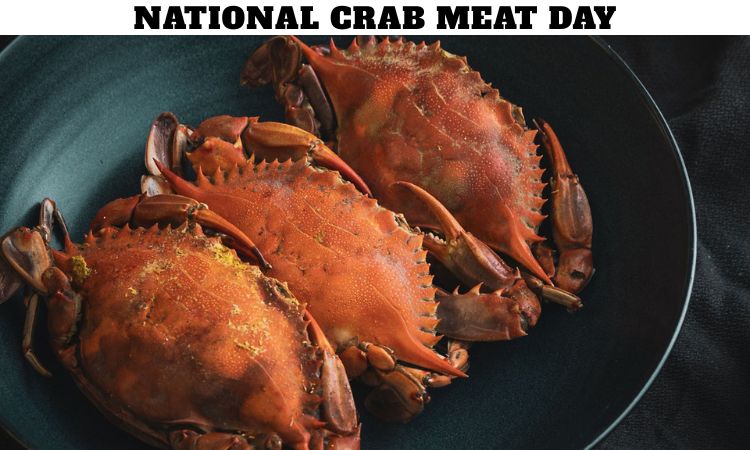
What Is National Crab Meat Day, and Why Is It Celebrated on March 9?
National Crab Meat Day, observed annually on March 9, is a culinary celebration dedicated to one of the most prized seafood delicacies in the world—crab meat. Known for its delicate sweetness, tender texture, and versatility in cooking, crab meat holds a special place in coastal cuisines and gourmet dining traditions.
The observance is recognized through awareness platforms such as National Day Calendar, which highlight unique food holidays that encourage people to explore culinary heritage and enjoy special dishes. National Crab Meat Day invites seafood lovers to indulge in crab-based recipes, learn about sustainable seafood practices, and appreciate the cultural significance of crab in global gastronomy.
Why Is Crab Meat Considered a Culinary Delicacy?
Crab meat is widely regarded as a premium seafood due to its distinct flavor profile and texture. Unlike many fish varieties, crab offers a naturally sweet taste combined with a soft yet slightly flaky consistency that makes it ideal for both simple and elaborate dishes.
Several factors contribute to its delicacy status:
Limited yield per crab, increasing value.
Labor-intensive harvesting process.
High culinary versatility across cuisines.
Nutritional benefits, including lean protein and essential minerals.
Regional cultural importance in coastal communities.
From fine dining restaurants to traditional family meals, crab meat continues to symbolize indulgence and culinary craftsmanship.
What Are the Different Types of Crab Meat?
We recognize that crab meat is categorized into several grades based on texture, color, and source within the crab’s body. Understanding these types helps in selecting the right option for specific recipes.
1. Jumbo Lump Crab Meat
This premium category consists of large, whole muscle pieces from the crab’s swimming fins. It is prized for its presentation and is often used in gourmet dishes like crab cocktails or elegant salads.
2. Lump Crab Meat
Slightly smaller than jumbo lump, this meat still maintains a firm texture and is commonly used in crab cakes and pasta dishes.
3. Backfin Crab Meat
A mixture of smaller lump pieces and flakes, backfin crab meat is versatile and affordable for various recipes.
4. Claw Meat
Darker in color with a stronger flavor, claw meat is ideal for soups, stews, and heavily seasoned dishes.
5. Special or Flake Meat
These small, shredded pieces are often used in dips, spreads, and stuffing recipes.
Each type offers unique culinary possibilities depending on the desired texture and flavor intensity.
What Are the Most Popular Crab Meat Dishes Around the World?
Crab meat plays a starring role in numerous international cuisines. Some of the most beloved dishes include:
Crab Cakes – A classic American favorite.
Crab Bisque – A creamy, rich soup.
Chili Crab – A famous Southeast Asian specialty.
Crab Rangoon – A popular appetizer in fusion cuisine.
Crab Pasta – Elegant Italian-inspired dishes.
Crab Fried Rice – Widely enjoyed across Asia.
Crab Salad – Light and refreshing preparations.
Stuffed Crab Shells – Traditional coastal recipes.
These dishes demonstrate crab meat’s adaptability across cultures and cooking styles.
What Is the Nutritional Value of Crab Meat?
Crab meat is not only delicious but also nutritionally beneficial. It is considered a lean source of protein and contains important vitamins and minerals.
Key nutritional benefits include:
High-quality protein for muscle health.
Omega-3 fatty acids support heart health.
Vitamin B12 is essential for nerve function.
Zinc and selenium support immunity.
Low fat content compared to many meats.
Moderation is recommended due to naturally occurring sodium and cholesterol levels, but overall, crab meat fits well into balanced diets.
Where Is Crab Meat Most Popular in the United States?
Crab is especially popular in coastal regions where fresh seafood is abundant. One notable area is the region surrounding the Chesapeake Bay, famous for its blue crab industry and iconic seasoning traditions.
Other regions known for crab cuisine include:
Gulf Coast states
Pacific Northwest
New England coastal communities
Southern coastal regions
Each area has developed its own cooking techniques and flavor profiles, contributing to the rich diversity of crab dishes across the country.
How Is Crab Meat Harvested and Processed?
Harvesting crab meat requires careful handling to maintain freshness and quality. The general process includes:
Catching crabs using traps or nets.
Cooking the crabs shortly after harvesting.
Extracting meat manually from shells.
Sorting into categories based on quality.
Packaging and refrigeration for distribution.
Because extraction is labor-intensive, high-quality crab meat often commands premium prices in markets and restaurants.
What Are Sustainable Crab Fishing Practices?
Sustainability plays a critical role in seafood consumption today. Responsible crab harvesting ensures ecological balance and long-term availability.
Sustainable practices include:
Regulated fishing seasons.
Size limits to protect juvenile crabs.
Protection of breeding females.
Habitat conservation efforts.
Environmentally friendly trapping methods.
Consumers can support sustainability by purchasing crab from certified sources and following regional seafood advisories.
How Can We Celebrate National Crab Meat Day?
National Crab Meat Day provides the perfect opportunity to explore seafood cuisine and culinary creativity.
1. Cook a Crab-Based Meal at Home
Preparing homemade crab cakes, pasta, or seafood boils allows for personalized flavors and fresh ingredients.
2. Visit a Seafood Restaurant
Dining at local seafood establishments supports businesses while experiencing professionally prepared crab dishes.
3. Host a Seafood Gathering
Organizing a crab-themed dinner with family or friends makes the celebration interactive and memorable.
4. Learn New Recipes
Experimenting with international crab dishes expands culinary knowledge and appreciation.
5. Share on Social Media
Posting recipes or dining experiences encourages others to participate in the celebration.
What Are Some Easy Recipes to Try on National Crab Meat Day?
We recommend several beginner-friendly recipes:
Classic Crab Cakes with herbs and breadcrumbs.
Creamy Crab Dip served with crackers or bread.
Garlic Butter Crab Pasta with fresh herbs.
Crab-Stuffed Mushrooms for appetizers.
Crab Salad Sandwiches for light meals.
These recipes highlight crab’s natural sweetness without overwhelming flavors.
Why Is Crab Meat Associated With Luxury Dining?
Crab meat is often considered luxurious due to:
High harvesting costs.
Limited supply compared to demand.
Skilled preparation requirements.
Delicate flavor appreciated in gourmet cuisine.
Presentation appeals in fine dining settings.
Many upscale restaurants feature crab dishes as signature menu items, reinforcing their premium status.
How Does Crab Meat Influence Cultural Traditions?
Crab holds cultural importance in many coastal societies. Festivals, seasonal harvest traditions, and community feasts often revolve around crab fishing periods.
In some cultures, crab symbolizes:
Prosperity
Celebration
Community unity
Seasonal abundance
Food traditions built around crab strengthen cultural identity and shared experiences.
What Is the Future of Crab Meat in Global Cuisine?
The demand for crab meat continues to grow worldwide due to increasing interest in seafood and global culinary exploration. Innovations shaping the future include:
Sustainable aquaculture practices.
Ready-to-eat crab products.
Fusion cuisine incorporating crab.
Health-focused seafood diets.
Advanced preservation techniques.
These developments ensure crab remains a central ingredient in both traditional and modern cooking.
Why Should We Celebrate National Crab Meat Day Every Year?
National Crab Meat Day on March 9 reminds us to appreciate the richness of seafood traditions and the craftsmanship involved in bringing crab dishes to the table. From simple home recipes to gourmet restaurant experiences, crab meat represents culinary artistry, cultural heritage, and shared enjoyment.