

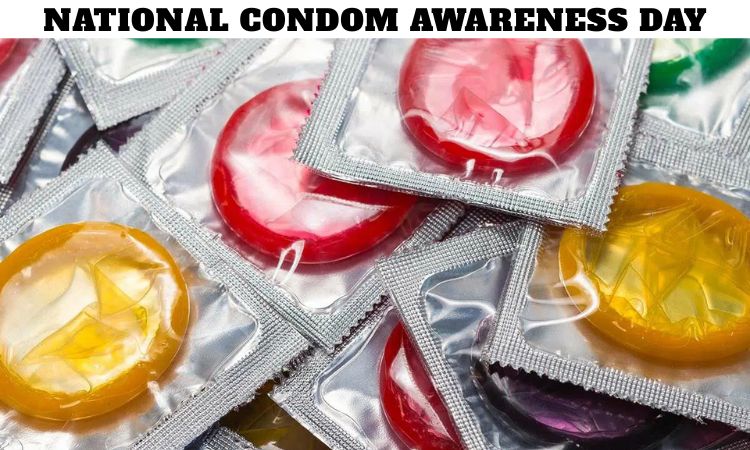
National Condom Awareness Day – February 14 is an annual observance dedicated to promoting safe sex practices, reducing the spread of sexually transmitted infections (STIs), and preventing unintended pregnancies. While February 14 is widely recognized as Valentine’s Day, National Condom Awareness Day provides a powerful reminder that love and intimacy should always be paired with responsibility and protection.
This important day encourages open conversations about sexual health, educates individuals about the proper use of condoms, and reinforces the critical role condoms play in protecting public health worldwide.
The Purpose of National Condom Awareness Day
National Condom Awareness Day was established to:
Raise awareness about the importance of condom use
Promote STI and HIV prevention
Encourage responsible sexual behavior
Support comprehensive sexual education
Reduce stigma surrounding condom discussions
Public health organizations, including the Centers for Disease Control and Prevention, emphasize that condoms remain one of the most effective and accessible methods for preventing sexually transmitted infections and unintended pregnancies.
By aligning this observance with Valentine’s Day, the message becomes clear: celebrate love safely and responsibly.
The Importance of Condoms in Sexual Health
Condoms are a barrier method of contraception designed to prevent semen, vaginal fluids, and blood from being exchanged during sexual activity. When used correctly and consistently, condoms significantly reduce the risk of:
HIV transmission
Chlamydia
Gonorrhea
Syphilis
Hepatitis B
Human papillomavirus (HPV)
According to research supported by the World Health Organization, condoms are highly effective in reducing HIV transmission when used properly.
Beyond STI prevention, condoms are approximately 98% effective in preventing pregnancy when used perfectly, making them one of the most reliable contraceptive methods available.
Types of Condoms Available
Modern condom options offer variety, comfort, and customization. Common types include:
1. Latex Condoms
The most widely used and affordable option. Latex condoms are highly effective but may not be suitable for individuals with latex allergies.
2. Polyurethane Condoms
A latex-free alternative that provides similar protection and is thinner than traditional latex condoms.
3. Polyisoprene Condoms
Another latex-free option offering greater elasticity and comfort.
4. Female (Internal) Condoms
Worn inside the vagina, these provide women with greater control over protection during intercourse.
5. Specialty Condoms
These may include textured, flavored, ultra-thin, or extra-strength varieties designed to enhance comfort and sensation.
The availability of diverse options ensures that individuals can find a condom that fits comfortably and suits their needs.
How Condoms Prevent STIs and Pregnancy?
Condoms function by creating a physical barrier that prevents bodily fluids from being exchanged during sexual contact. Since many STIs are transmitted through fluid contact or skin-to-skin contact, condoms significantly reduce exposure risk.
They also prevent sperm from entering the uterus, thereby preventing fertilization and pregnancy.
When used correctly, condoms are a powerful tool in protecting both partners’ health.
Proper Condom Use: Essential Guidelines
National Condom Awareness Day emphasizes correct usage to ensure maximum effectiveness.
Steps for Proper Use
Check the expiration date.
Ensure the packaging is intact and not damaged.
Open carefully without using sharp objects.
Pinch the tip to remove air and leave space for semen.
Roll the condom onto the erect penis before any genital contact.
Use water-based or silicone-based lubricant if needed.
After ejaculation, hold the base while withdrawing.
Dispose of properly in the trash (not the toilet).
Incorrect use significantly reduces effectiveness. Education campaigns focus on eliminating common mistakes such as using oil-based lubricants with latex condoms or reusing condoms.
The Role of Condoms in HIV Prevention
Condoms remain a cornerstone in HIV prevention strategies worldwide. Alongside testing, antiretroviral therapy, and pre-exposure prophylaxis (PrEP), condoms provide an immediate and accessible protective measure.
Public health data consistently show lower HIV transmission rates among populations with consistent condom use. National Condom Awareness Day highlights the ongoing need to normalize condom usage without stigma.
Breaking the Stigma Around Condom Conversations
Despite their importance, discussions about condoms often remain uncomfortable or taboo. Cultural attitudes, misinformation, and embarrassment can prevent individuals from prioritizing protection.
National Condom Awareness Day encourages:
Open communication between partners
Honest discussions about sexual history
Mutual responsibility for protection
Access to sexual health education
Normalizing conversations about condoms empowers individuals to make informed decisions without shame.
Access and Affordability
One of the key strengths of condoms is accessibility. Many clinics, health departments, and nonprofit organizations distribute free condoms to ensure protection is available regardless of income level.
Efforts led by public health agencies aim to expand distribution in schools, colleges, community centers, and healthcare facilities.
Affordable access plays a vital role in reducing unintended pregnancies and STI transmission, particularly among young adults.
The Importance of Sexual Education
Comprehensive sexual education includes accurate information about condom use, STI prevention, and reproductive health.
Evidence shows that individuals who receive comprehensive sex education are more likely to:
Use condoms consistently
Delay sexual activity
Reduce risky behaviors
Seek testing and healthcare services
National Condom Awareness Day reinforces the importance of accurate, science-based sexual health information.
Condoms and Relationship Responsibility
Safe sex is a shared responsibility. Condom use demonstrates:
Respect for one’s partner
Commitment to mutual health
Awareness of potential risks
Responsible decision-making
Healthy relationships prioritize communication and protection.
Global Public Health Impact
Worldwide, condoms have played a transformative role in reducing the spread of infectious diseases. They remain one of the most cost-effective public health tools available.
International initiatives continue to promote condom distribution and education, particularly in high-risk regions.
National Condom Awareness Day aligns with broader global efforts to reduce HIV and STI rates while promoting reproductive rights.
Myths and Misconceptions About Condoms
Several misconceptions persist, including:
“Condoms reduce pleasure.”
“Condoms always break.”
“You don’t need condoms in long-term relationships.”
“Condoms are unnecessary if birth control is used.”
Modern condoms are designed for comfort and reliability. While no method is 100% effective, proper usage dramatically reduces risks.
Education is key to dispelling myths and reinforcing facts.
Encouraging Routine Testing
Condom use should be combined with regular STI testing, especially for sexually active individuals with new or multiple partners.
National Condom Awareness Day promotes testing awareness and encourages individuals to know their status.
Testing supports early treatment, reduces transmission, and protects both partners.
Empowering Young Adults
Young adults and adolescents are among the most affected by STIs. Empowering this demographic with knowledge and access to condoms is critical.
Community campaigns often focus on:
College campus initiatives
Social media awareness campaigns
Health workshops
Peer education programs
Education fosters lifelong healthy habits.
Condom Innovation and Advancement
Technological advancements have improved condom strength, sensitivity, and comfort. Innovations continue to focus on:
Thinner yet stronger materials
Improved lubrication
Enhanced durability
Eco-friendly materials
Research aims to increase user satisfaction while maintaining high levels of protection.
Observing National Condom Awareness Day
Individuals and communities can participate by:
Sharing educational resources
Hosting awareness events
Promoting STI testing
Encouraging open dialogue
Supporting local health clinics
Healthcare providers often use February 14 to distribute informational materials and free condoms.
The Symbolism of February 14
While Valentine’s Day celebrates romantic love, National Condom Awareness Day highlights responsible love.
It serves as a reminder that intimacy should be paired with care, consent, and protection. Love includes safeguarding one’s partner’s health and well-being.
Conclusion: Responsible Love Begins with Protection
National Condom Awareness Day reinforces a simple yet powerful message: protection matters. Condoms remain one of the most effective tools for preventing sexually transmitted infections and unintended pregnancies.